

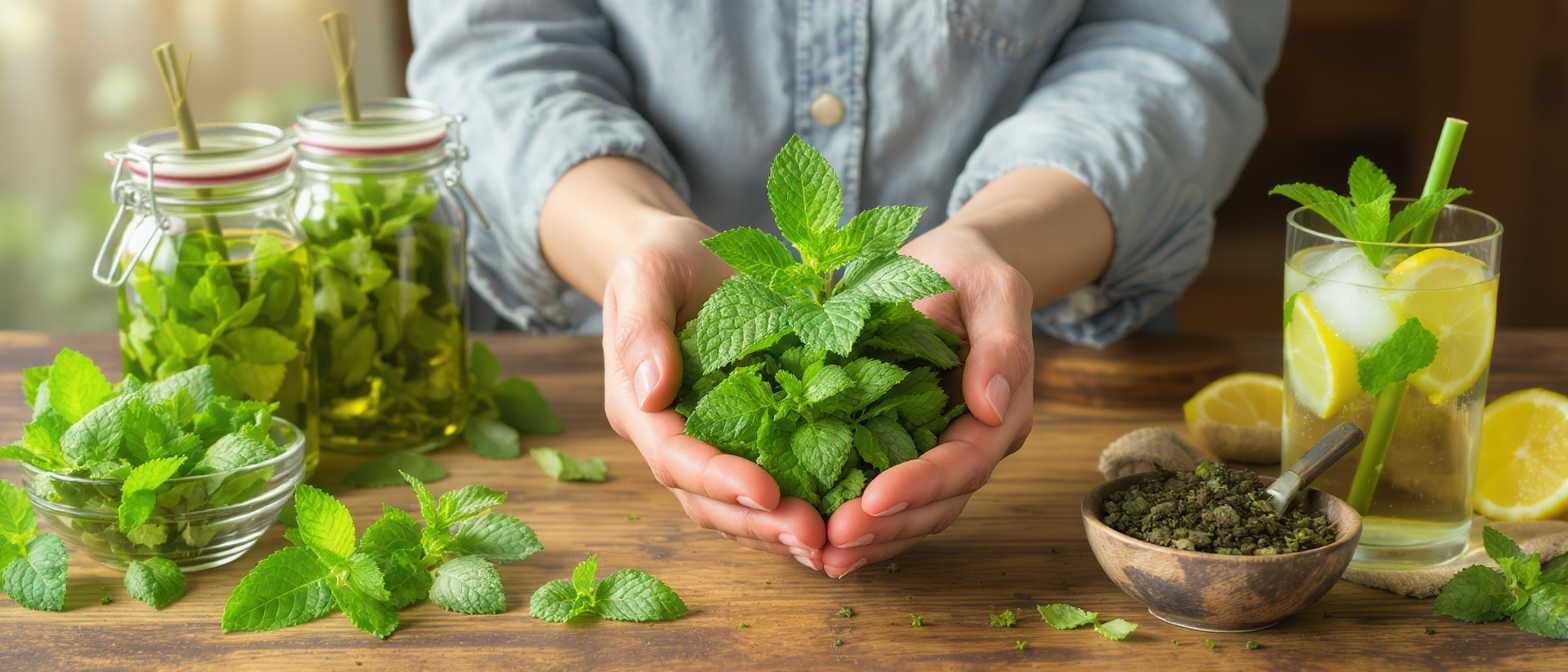
Fresh mint leaves are a treasure for every home gardener and kitchen enthusiast alike. Known for their vibrant flavor and aromatic qualities, mint leaves can transform simple dishes and drinks into stunning creations. However, their delicate nature requires thoughtful mint leaf storage and herb preservation methods to fully enjoy their benefits beyond harvest. This article unfolds the secrets to maximizing mint’s potential, from clever ways to keep it fresh longer, to diverse culinary uses mint enthusiasts cherish in meals and beverages. Whether it’s the summer’s refreshing mojito or an energizing mint tea on cooler days, mint’s versatility invites creativity for every season.
Gardening enthusiasts often cherish mint for two reasons: Its rich, refreshing aroma permeates the air, and it thrives with minimal effort. Planted in its own container to prevent overgrowth, mint becomes an endless supply of fresh flavor. Unlocking the full potential of this hardy herb means not just growing it, but also effectively preserving and incorporating it into various dishes. As traditions and modern frugality meet, fresh mint evolves into an asset for mindful living, perfect for those who enjoy the benefits of homegrown herbs while minimizing waste.
The following sections explore practical techniques to store, freeze, dry, and use fresh mint leaves in everyday life, emphasizing their culinary, health, and household uses. Prepare to elevate your kitchen pantry with vibrant mint flavor, beyond the predictable, and discover innovative ideas to make the most of every mint sprig harvested.
Key points to remember about fresh mint leaves preservation and uses:
- 🌿 Choose fresh, vibrant mint leaves free from wilting or discoloration for best results.
- 🥶 Use refrigeration, freezing, or drying techniques to extend mint’s shelf life.
- 🍹 Unleash mint’s versatility with drinks like tea, mojitos, infused water, and summer lemonade.
- 🥗 Incorporate mint in savory dishes like salads, lentils, yogurt sauces, and side vegetables.
- 🌸 Include mint in flower bouquets and household aromas to add a fresh herbal scent.
- ⚖️ Mint supports digestion, nasal relief, antioxidant intake, and low-calorie flavor enhancement.
Proper techniques for fresh mint leaf storage to extend freshness
The true challenge with fresh mint leaves is their fragility. Packed with essential oils and moisture, they soon wilt or decay without proper mint preservation. Understanding how to optimize mint leaf storage can significantly lengthen usability and maintain the herb’s potent flavor. Two reliable ways stand out for storing fresh mint in the refrigerator:
Water bouquet method: keeping mint lively in the refrigerator
This method resembles treating mint like a flower bouquet. Trim the stems and place the sprigs upright in a glass with an inch or two of water. Cover the leaves loosely with a plastic bag to retain humidity while allowing airflow. The glass is best positioned in the fridge door to avoid tipping. Changing the water every 2 to 3 days keeps the mint fresh for up to two weeks. This method offers a consistent supply of sprigs that remain crisp and aromatic, great for quick grab-and-use situations.
Damp paper towel wrapping technique: compact and effective
If fridge space is limited, gently wrapping the stems and leaves in a slightly damp, not wet, paper towel gives excellent results. After wrapping, place the bundle in an airtight container or zip-top bag. The paper towel balances moisture, preventing wilting, while the sealed container protects the leaves from strong odors and drying out. Expect to keep mint fresh about a week with this technique. This approach is ideal for households prioritizing energy efficiency by minimizing glass storage.
Common pitfalls to avoid with mint leaf storage
- 🚫 Avoid storing mint near pungent foods like garlic or onions to prevent flavor contamination.
- 💧 Excess moisture accelerates mold and decay; always ensure leaves are only lightly moist.
- 🌀 Don’t crush leaves; handle mint gently to preserve leaf integrity and prevent premature spoilage.
- 👀 Regularly inspect leaves and discard any showing yellowing, sliminess, or unusual odors.
| Storage Method 🍃 | Process Description 🌿 | Typical Freshness Duration ⏳ |
|---|---|---|
| Water bouquet | Trimmed stems in water, covered loosely, refrigerated | Up to 14 days |
| Damp paper towel wrap | Lightly damp paper towel wrapped around sprigs, sealed in container | Up to 7 days |
| Refrigerated loose leaves | Leaves kept dry on paper towels in sealed bag, not wrapped | 3-5 days |
Freezing and drying methods for effective mint preservation
Long-term mint preservation methods like mint freezing methods and mint drying techniques unlock the ability to enjoy fresh mint flavor off-season. Both techniques are economical and retain much of the herb’s fresh essence when done properly.
Freezing mint leaves: easy and practical
Freezing is preferred to keep herbs for months while preserving aroma and flavor. Two main methods are common:
- ❄️ Freezing whole leaves: After washing and patting dry, spread leaves on a tray to freeze individually. Once solid, transfer to airtight freezer bags, removing air to prevent freezer burn. This method works well for garnishes or infusions in drinks.
- 🍧 Freezing in ice cubes: Chop mint leaves and place in ice cube trays, then cover with water or olive oil. These cubes are convenient to toss into sauces, smoothies, or cocktails for a quick flavor boost.
This approach extends mint’s usability for 3 to 6 months, keeping the leaves vibrant and ready to use. Freezing mint in oil cubes also opens avenues for quick cooking uses, especially in Mediterranean or Indian-inspired dishes.
Drying mint: ancient wisdom for modern kitchens
Drying herbs is a time-honored preservation technique that allows storage of aromatic mint year-round. Simple hanging or oven-drying methods are effective:
- 🌞 Air drying: Gather small bundles, tie stems, and hang upside down in a dark, dry, warm spot. Drying typically takes 1–2 weeks depending on humidity. Once dry, crush leaves and store in airtight glass jars.
- 🔥 Oven drying: Spread leaves on baking sheets in a single layer and dry at the lowest oven temperature (about 75°C or 170°F) for 2-3 hours. Monitor frequently to prevent burning.
Properly dried mint retains much of its flavor and can be used for tea, seasoning, or even homemade potpourri. Additionally, dried mint occupies minimal storage space, making it perfect for small kitchens focused on frugal living.
| Preservation Technique ❄️🔥 | Steps & Tools Required 🛠️ | Storage Duration 🕰️ | Best Uses 🍽️ |
|---|---|---|---|
| Freezing whole leaves | Wash, dry, freeze individually, store in freezer bags | 3-6 months | Garnishes, drinks, sauces |
| Freezing mint cubes | Chop leaves, place in ice trays, cover with water/oil, freeze | 3-6 months | Soups, smoothies, sauces |
| Air drying | Tie bundles, hang dry in dark warm place, store in glass jars | Up to 1 year | Tea, seasoning, potpourri |
| Oven drying | Spread leaves, dry at low temp 2-3 hours, cool, store airtight | Up to 1 year | Tea, seasoning, infusions |
Exploring culinary uses for fresh mint leaves beyond the basics
Every kitchen can unlock the magic of fresh mint leaves beyond the usual theft from cocktail garnishes or dessert toppings. The herb’s bright, refreshing profile complements a wide variety of dishes from savory to sweet, enhancing flavors and digging into different culinary traditions.
Refreshing beverages and infusions
Mint leaves are a staple in mint leaf infusion drinks. From classic mint tea to vibrant mojitos and infused water, the herb elevates the simplest refreshments:
- 🍋 Mint lemonade – add sprigs or mint ice cubes to tart lemonade to create a summer hit.
- 🧊 Mint ice cubes – freeze leaves in water or coconut water to add endless flair to iced teas, cocktails, or sparkling water.
- ☕ Mint tea – blanch or steep fresh leaves to savor its soothing, digestion-aiding qualities.
- 🍓 Fruit smoothies with mint – a handful of leaves blended with coconut water and fresh berries brightens morning routines.
Brightening savory meals and sides
Mint’s capacity to cut through richness is indispensable in several savory dishes. It pairs exceptionally well with legumes, grains, and fresh vegetables:
- 🥗 Watermelon, feta, and mint salad – a classic summer dish, refreshing and light.
- 🥒 Cucumber and mint yogurt dip (raita) – cools spicy curries beautifully.
- 🍲 Lentils with mint – add chopped leaves to cooked green lentils with garlic and scallions for zest.
- 🍚 Quinoa tabbouleh with chopped mint and parsley – a nutrient-packed, fresh salad.
Mint in desserts and sweet treats
Don’t confine mint to savory dishes – it shines equally well in sweet recipes:
- 🍫 Chocolate mint smoothies – combine cocoa powder, banana, almond milk, and fresh mint leaves for a guilt-free treat.
- 🍉 Watermelon-mint popsicles – naturally hydrating treats perfect for kids during warm weather.
- 🍓 Berry fruit salad with mint – chopped mint leaves add an unexpectedly fresh punch.
- 🍰 Mint jelly or sauce – a classic accompaniment to lamb or roasted meats, also great as a glaze in desserts.
| Dish Type 🍽️ | Mint’s Role 🌿 | Example Recipe or Use 📝 |
|---|---|---|
| Beverages | Flavor enhancer and garnish | Mojitos, mint tea, infused lemonades |
| Savory salads and sides | Balances richness, adds freshness | Watermelon feta salad, quinoa tabbouleh, raita dip |
| Sweet desserts and snacks | Brightens and refreshes sweet notes | Chocolate smoothies, mint jelly, fruit salads |
| Garnishes | Enhances aesthetics and aroma | Cocktails, plated dishes, flower bouquets |
Health benefits and household uses of fresh mint leaves
Beyond the culinary realm, fresh mint leaves pack health-boosting properties while adding natural freshness to the home environment. It’s a truly multifunctional herb that supports well-being and everyday living.
Mint’s natural health elixirs
Mint’s medicinal properties are widely studied and valued in herbal traditions. Highlighted benefits include:
- 💪 Supports digestion – helps ease bloating, indigestion, and stomach discomfort.
- 🌬️ Opens nasal passages – natural menthol content aids breathing during colds or allergies.
- 🧠 Relieves headaches – fresh-leaf application or inhalation reduces tension headaches.
- 🦷 Boosts oral health – antibacterial action refreshes breath and maintains gum health.
- ✨ Skin benefits – topical applications soothe inflammation and provide a cooling sensation.
Creative household uses for mint
Fragrance and freshness are fantastic additions to the home ambiance, and mint excels below:
- 🌸 Fresh mint sprigs mixed into flower bouquets enhance scent and create a relaxing atmosphere.
- 🧴 Homemade mint-scented sprays or potpourri offer natural air freshening without harsh chemicals.
- 🍯 Mint simple syrup can be added to cleaning solutions for a fresh aroma.
- 🦟 Mint plants or leaves repel certain garden pests, benefiting companion gardening efforts.
| Application 🏡 | Benefit or Effect 🌿 | Usage Tips 📝 |
|---|---|---|
| Tea or herbal drink | Digestive aid, calming | Steep fresh leaves 5–10 min; add honey if desired |
| Natural air freshener | Refreshing scent, non-toxic | Dry leaves in sachets or mix fresh sprigs in bouquets |
| Topical application | Cooling, anti-inflammatory | Crush leaves and apply as poultice or in skincare blends |
| Companion planting | Pest repellent for garden plants | Plant mint in containers near vulnerable crops |
Experimenting with fresh mint leaves in your daily life brings both a flavorful element and natural wellness aid. Whether sipping on a cooling mint tea or brightening household air with mint-scented arrangements, the herb’s potential extends far beyond the kitchen counter.
Tips for growing, harvesting, and ensuring an abundant fresh mint supply
Successfully growing and maintaining an abundant fresh mint supply is key to enjoying its many benefits year-round. Mint’s vigor and ease of growth make it an excellent choice for home gardeners practicing frugal living and homesteading.
Choosing the right mint and growing conditions
- 🌱 Opt for popular varieties like spearmint, peppermint, or fun alternatives like pineapple or chocolate mint for varied flavors.
- 🪴 Plant mint in containers to control spreading, as it can quickly dominate garden beds.
- ☀️ Ensure partial to full sun exposure and keep soil rich, moist, and well-draining for optimal growth.
- 🌧️ Mint thrives in USDA zones 3–11 and is hardy perennially in suitable climates.
Harvesting and extending the growing season
Regular harvesting encourages bushier growth and helps maintain plant health. Pinch the stem tips regularly and avoid stripping all leaves at once. Fresh leaves can be harvested multiple times during the growing season.
- ✂️ Use sharp scissors or garden shears for clean cuts to minimize plant stress.
- 📅 Harvest in the morning after dew has dried for peak essential oil content and flavor.
- 🧊 If a frost threatens, harvest remaining leaves to dry or freeze, preserving your supply beyond the season.
| Aspect ⚙️ | Recommendation ✔️ | Why Important? 🤔 |
|---|---|---|
| Container planting | Plant mint in separate pots | Prevents invasive spread, easier to manage |
| Sunlight | Partial to full sun exposure | Supports energetic photosynthesis and growth |
| Harvest timing | Morning after dew dries | Preserves essential oils and flavor |
| Regular pruning | Pinch stem tips frequently | Encourages bushy and robust growth |
How long do fresh mint leaves last in the fridge?
Stored using the bouquet water method, fresh mint can stay lively up to 14 days, while damp paper towel wrapping usually keeps it fresh around 7 days. Proper handling is key to maximizing freshness.
What are the best ways to preserve fresh mint leaves for long-term use?
Freezing whole leaves or in ice cubes and drying mint by air or oven are the most effective long-term preservation methods, letting you enjoy mint’s flavor months after harvest.
Can mint be used in savory dishes?
Absolutely. Mint enhances a variety of savory dishes worldwide, especially in Middle Eastern, Indian, and Mediterranean cuisines, where it brightens salads, dips, lentils, and meat dishes.
Is it better to freeze mint leaves whole or chopped?
Both options work well but freezing whole leaves preserves appearance and works beautifully for garnishing, while chopped leaves frozen in cubes are convenient for cooking and smoothies.
How can I prevent mint from taking over my garden?
Planting mint in containers or raised beds restricts its aggressive spreading habit. Regular pruning and containment prevent it from choking other plants.
