

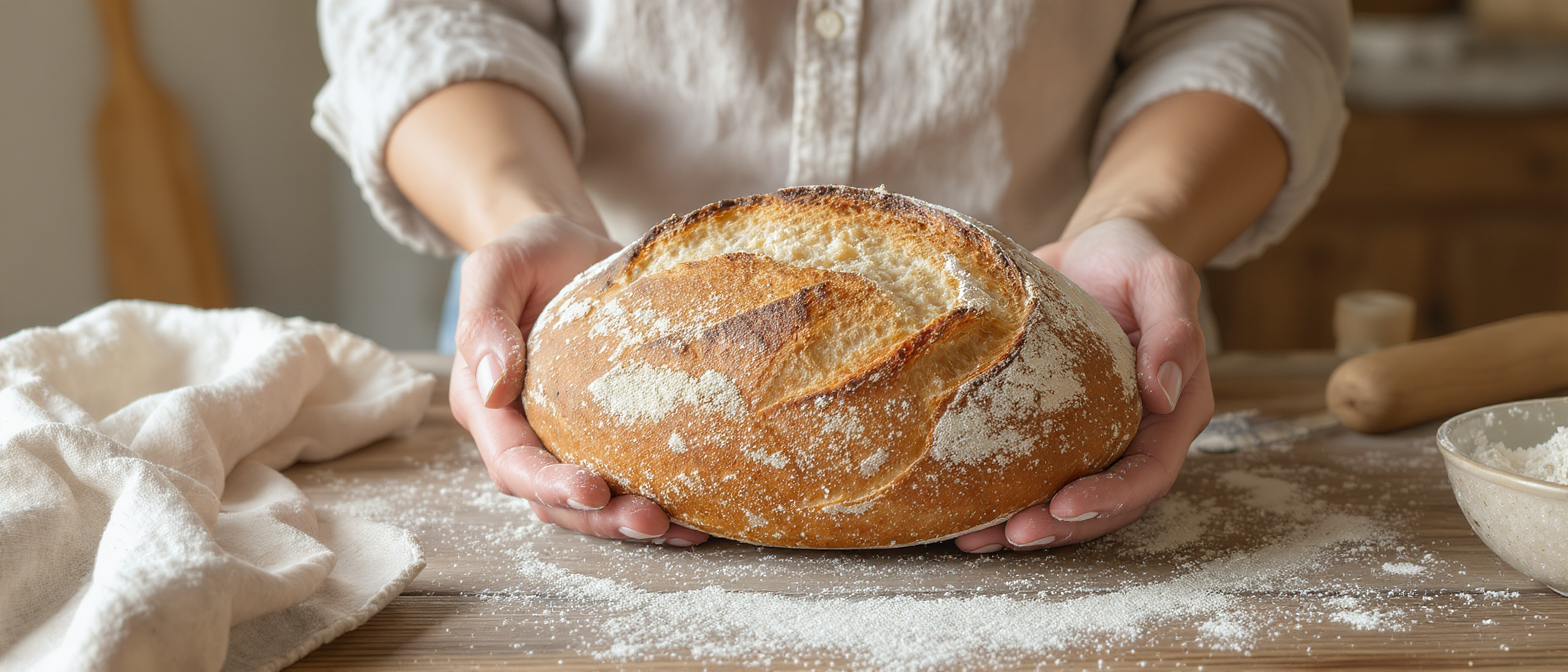
French bread holds a timeless status, representing culinary tradition that spans centuries. The allure of baking a loaf that rivals those displayed in bakery windows is undeniable for both seasoned and emerging bakers. This homemade bread recipe not only captures the essence of the classic bread recipe but also elevates the experience by embracing simplicity and precision in baking at home. Key factors such as ingredient quality, fermentation processes, and correct oven techniques empower anyone to create artisan bread with a crusty bread exterior and a tender, airy interior, commonly sought after in bakery style loaves. For those valuing resilience in lifestyle, the advantage of mastering this skill is clear: reliably producing superior bread while maintaining independence and frugality in the kitchen.
Key insights to master this process:
- Ingredient selection crucially impacts texture and flavor.
- Adequate dough preparation and fermentation optimize crumb structure.
- Technique in shaping and scoring affects baking outcomes significantly.
- Proper oven temperature and steam introduction ensures a crusty bread crust.
- Careful cooling and storage extend freshness and usability of bread.
Fundamentals of the perfect homemade French bread recipe
Understanding the simplicity and science behind traditional French bread offers practical advantages when crafting an exceptional loaf at home. This type of bread demands minimal ingredients yet reaps maximum sensory reward. The backbone consists of four staples: flour, water, yeast, and salt. Each component’s role is vital in achieving that sought-after bakery style texture and taste.
Bread flour leads the ingredient list due to its elevated protein content compared to all-purpose flour. This higher protein percentage fosters superior gluten development — a network of elastic strands essential for trapping carbon dioxide during yeast fermentation. This gluten matrix creates a bread dough that can stretch extensively without tearing, crucial for an open crumb and chewy texture typical of French bread.
- Bread flour: Provides structure and chewiness; essential for authentic texture.
- Yeast: Drives fermentation; choices include active dry or instant, each with distinct activation requirements.
- Water: Hydrates flour for gluten formation; precise hydration influences crumb softness and dough handling.
- Salt: Enhances flavor, strengthens gluten, and modulates yeast activity to balance rise.
Effective ingredient harmony is best achieved by weighing components accurately. Utilizing a kitchen scale improves consistency, critical for reproducible bakery-quality results.
| Ingredient | Function in Homemade French Bread | Typical Measurement % (Baker’s %) |
|---|---|---|
| Bread flour | Gluten development and chewy texture | 100% |
| Water | Hydration and gluten formation | 60-65% |
| Yeast | Leavening and fermentation | 1-2% |
| Salt | Flavor enhancement and fermentation control | 2% |
Mastering the balance and interaction within this formula allows home bakers to approach bakery-level quality confidently. In subsequent sections, nuances of dough handling and baking will build on these fundamentals to guide the achievement of an artisan loaf with a superb crust and interior crumb.
Precise steps to transform bread dough into crusty, airy French bread
Translating raw ingredients into structurally sound, bakery-quality French bread begins with proper dough preparation and fermentation strategy. The process intertwines technical precision and patience, as these influence the final loaf’s volume, crumb texture, and crust formation.
- Initial mixing: Combine warm water with yeast and a sweetener like honey to activate fermentation. Following this, add flour, salt, and oil to form an initial dough.
- Kneading: Critical for gluten network development. Kneading can be manual or assisted by a stand mixer with a dough hook, lasting about 8-10 minutes until the dough is smooth and elastic.
- First rise: Bulk fermentation lets the yeast proliferate and produce gases that expand the dough. A room temperature between 75°F and 80°F is ideal. Duration typically ranges from 1.5 to 2 hours until doubled in size.
- Shaping: The dough is gently deflated, divided, then rolled or folded to develop surface tension. Avoid excessive manipulation to prevent toughness.
- Proofing: The final rise before baking, usually 45 to 60 minutes, nurtures further yeast activity. The dough should spring back slowly when poked, indicating readiness.
Each step has room for adjustment due to environmental variables such as temperature and humidity, which can affect fermentation rate and dough moisture levels. Bakers who comprehend these influences can adapt the process dynamically, ensuring a loaf that is light and well-aerated with a crisp exterior. The importance of steam during baking cannot be understated to achieve the signature crackling crust—employed through water-dousing, a pan of water, or specialized steam-injection ovens.
| Step | Objective | Optimal Conditions |
|---|---|---|
| Mixing & Kneading | Activate gluten and blend ingredients | Long enough till dough is elastic and smooth (8-10 min) |
| First Rise | Promote yeast fermentation for dough expansion | Warm, draft-free, 75°F – 80°F for 1.5-2 hrs |
| Shaping | Create surface tension for structure | Gentle handling, minimal degassing |
| Proofing | Final fermentation for volume and rise | Warm, humid environment for 45-60 minutes |
Careful adherence to these steps guarantees a consistent product with a well-defined crumb and bakery-style crispness at home, addressing common issues like dense texture or under-risen loaves frequently encountered in DIY bread-making.
Optimizing the baking environment for a superior homemade baguette crust
The baking phase is decisive for transforming the proofed bread dough into the iconic crusty, golden loaf associated with French bread. Ensuring a balanced oven setup using accessible equipment is essential in a home environment to compete with commercial bakery ovens.
A well-heated baking stone or steel elevates heat distribution, creating an even bake and mimicking bakery conditions. Preheating for at least 30 minutes to 450°F ensures the base retains adequate heat for sharp oven spring—the explosive rise during early baking. Several home bakers supplement this by inducing steam in the oven, a technique proven to facilitate crust formation and extend crispness.
- Steam creation methods: Placing a pan filled with boiling water in the oven’s base or lightly misting the oven walls with water before loading bread.
- Temperature control: Initial baking at high temperature (450°F) for 10-15 minutes, then option to reduce to 400°F for remaining baking duration.
- Baking duration: Approximately 25-30 minutes, with rotation halfway to ensure even browning.
- Visual cues: Crust should be deep golden brown and loaf hollow when tapped internally.
Attention must be paid to oven variability. Many household ovens fluctuate, making an oven thermometer indispensable for maintaining precise temperatures. A crusty bread exterior with a chewy crumb cannot be achieved without perfect balance between heat and moisture.
| Oven Aspect | Recommendation | Effect on Bread |
|---|---|---|
| Preheat Duration | Minimum 30 minutes to 450°F | Ensures proper oven spring and crust formation |
| Steam Introduction | Pan of water or misting first 10 minutes | Creates glossy, crackly crust characteristic of French bread |
| Baking Time | 25-30 minutes total, rotate halfway | Even browning and thorough baking |
| Cooling Method | Wire rack cooling | Prevents soggy crust, finishes crumb setting |
These controlled baking elements, when mastered, permit the creation of a bakery-grade loaf with a robust crust and tender interior, epitomizing the best traits of artisan bread.
Techniques for extending the freshness of your homemade French bread
Beyond creation, proper storage and handling of the crusty bread are vital for maintaining quality and minimizing food waste. The open crumb and thin crust make French bread susceptible to dryness and staleness if stored improperly.
- Room temperature storage: Wrap bread loosely in a paper bag or cloth kitchen towel to protect from moisture loss while allowing airflow for crust preservation.
- Freezing: For longer preservation, slice then double-wrap bread in plastic wrap and foil prior to freezing. This allows convenient portion retrieval and reduces spoilage.
- Reheating techniques: Reheat frozen bread gently at 350°F for 10-15 minutes to revive crust texture reminiscent of just-baked quality.
- Softening the crumb: Slightly mist the crust and warm in foil to restore softness without sacrificing structure.
Preserving freshness aligns with the philosophy of resilience and self-sufficiency. Reducing dependency on daily bakery trips along with minimizing waste consolidates homemade baking as both a practical and sustainable lifestyle choice.
| Storage Method | Recommended Use Duration | Advantages |
|---|---|---|
| Paper bag or cloth wrap (room temp) | 1-2 days | Maintains crust crispness; prevents moisture buildup |
| Freezing (double wrapped) | Up to 3 months | Long-term preservation; easy thaw and reheat |
| Fridge storage (not preferred) | Short term | Accelerates staleness; crust softens |
Additional tips include slicing bread only when needed to limit exposure, and employing leftover bread in creative ways rather than discarding, such as making croutons or bread puddings, enhancing utility and reducing waste. Readers may find this guidance complements recipes like a homemade cheese sauce perfectly, where crusty bread is an ideal dipping partner.
Creative adaptations and troubleshooting for homemade French bread success
While the classic recipe serves as an excellent foundation, adaptability in homemade baking empowers innovation and custom flavor profiles. Ingredient substitutions, alternative techniques, and problem-solving normalize the path towards dependable homemade artisan bread.
- Whole wheat variations: Incorporating whole wheat flour (up to 30%) introduces a hearty flavor and nutritional boost. Increased hydration is necessary to accommodate bran absorption.
- Herb and garlic infusions: Adding herbs like rosemary or thyme, or incorporating roasted garlic, awakens additional aromatic layers enhancing versatility.
- Sourdough starter use: Integrating natural leavening from sourdough cultures yields complex tangy notes and increases crumb durability.
- Adjusting yeast and fermentation: Modified yeast amounts and fermentation timings allow accommodation for altitude, humidity, and desired crumb irregularity.
| Adjustment | Effect | Considerations |
|---|---|---|
| Whole Wheat Addition | Denser texture, robust flavor | Requires more water, longer rise times |
| Herbs and Garlic | Enhanced aroma and taste variations | Incorporate into dough or as topping |
| Sourdough Starter | Complex flavor profile; longer ferment | Requires starter maintenance and timing adjustments |
| Yeast Balancing | Control over rise rate and crumb openness | Must monitor closely to avoid over- or under-proofing |
With these creative twists, homemade French bread can maintain its core simplicity while adapting to individual taste and environmental needs. Efficient troubleshooting — such as adjusting hydration, modifying proofing times, or correcting oven temperatures — ensures each baking endeavor results in an optimal artisan loaf, cementing baking at home as a skill reflective of intelligent, autonomous living.
Can I use all-purpose flour instead of bread flour?
Yes, all-purpose flour can be used, but bread flour is preferred for its higher protein content which improves gluten structure and chewiness in the bread.
How do I create steam in a home oven for French bread baking?
Steam can be created by placing a pan of hot water in the oven during the initial baking phase or using a spray bottle to mist the oven walls just before baking.
What causes bread not to rise properly?
Common reasons include expired yeast, incorrect water temperature, insufficient kneading, or over-proofing the dough. Ensuring fresh yeast and proper dough handling is critical.
How long can homemade French bread be stored before it becomes stale?
At room temperature in a paper bag or cloth, it keeps best for 1 to 2 days; for longer storage, freezing is recommended for up to three months.
Is French bread vegan?
Traditional French bread recipes contain no animal products and are vegan-friendly, but optional ingredients like butter or egg wash should be omitted for strict vegan diets.
