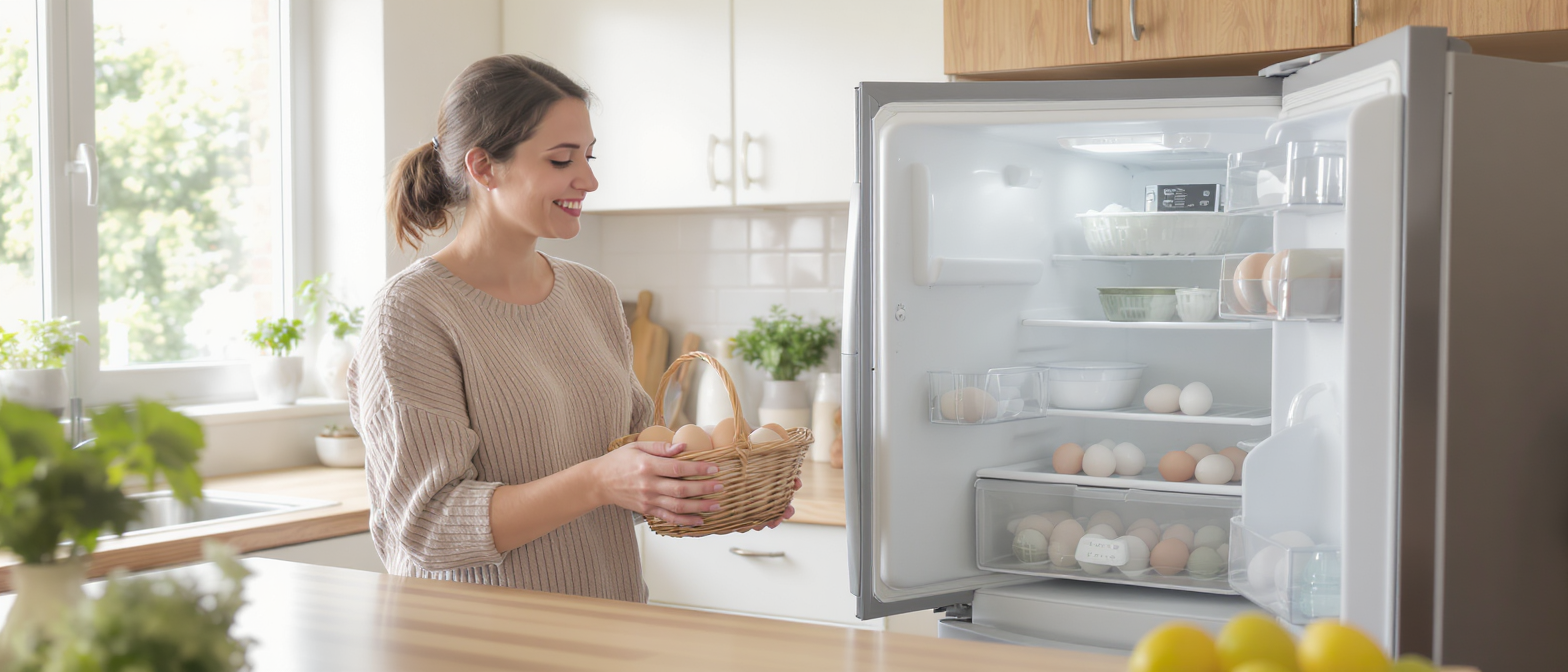
Eggs are more than just a breakfast staple; they’re a culinary essential that play a versatile role in kitchens around the globe. Whether preparing a hearty scramble or whipping up a no-bake cheesecake filling, every cook understands the value of fresh eggs in the pantry. But one question continually surfaces in conversations about egg preservation: do fresh eggs really need to be refrigerated? The answer isn’t as straightforward as it seems. It weaves through cultural traditions, food safety protocols, and the science behind egg quality and shelf life. This exploration reveals why refrigeration might be more than a fridge habit—it’s a crucial aspect of food safety and egg freshness, especially depending on where the eggs come from and how they’ve been processed.
Understanding proper egg storage impacts more than just convenience; it touches on the very heart of food safety and nutritional quality. Choosing whether to refrigerate fresh eggs can influence their texture, flavor, and how long they remain safe to eat. While some regions embrace room temperature storage as a norm, others enforce refrigeration as an indispensable practice. These different traditions stem from unique farming and handling methods, reflecting deep cultural roots and public health considerations. Navigating this landscape of egg storage can empower home cooks to handle eggs confidently, ensuring every dish starts with ingredients at their best possible quality.
- 🐔 Fresh eggs require careful handling to maintain egg freshness and food safety.
- ❄️ Refrigeration slows bacterial growth and extends egg shelf life.
- 🌡️ Temperature management plays a pivotal role in preserving egg quality.
- 🌍 Regional differences in egg processing dictate storage methods worldwide.
- 🧼 Washing eggs impacts their natural protective coating, influencing storage needs.
Understanding fresh eggs and egg shelf life: Regional differences in egg storage
Egg storage practices vary across the globe due to different handling regulations and farming techniques. In many European countries, fresh eggs are typically sold unwashed, preserving their natural protective layer known as the bloom or cuticle. This waxy coating acts as a defensive barrier, protecting eggs from bacteria and moisture loss. Because of this intact protection, these eggs can often be stored safely at room temperature for up to two or three weeks without significant risk of spoilage or contamination.
By contrast, in the United States and parts of Canada, fresh eggs undergo a mandatory washing process to remove dirt and bacteria from their shells. While this procedure reduces surface contaminants, it simultaneously strips away the natural protective film. Without this barrier, eggs become vulnerable to bacteria such as Salmonella, particularly if left at room temperature. Thus, refrigeration becomes essential to slow bacterial growth and preserve egg freshness over a longer period.
This difference in egg processing methods explains why US consumers typically find eggs in the refrigerated sections of grocery stores, whereas European shoppers may find their eggs displayed at room temperature. For those engaged in homesteading or sourcing eggs directly from backyard chickens, understanding these distinctions is vital. For example, one proactive mom might choose to refrain from washing freshly collected eggs immediately, allowing them to retain their bloom and storing them on the counter in a cool, dark pantry, which aligns well with practices widely accepted in Europe. Conversely, if eggs are washed, immediate refrigeration is strongly recommended to maintain food safety.
Appreciating how regional egg storage customs impact egg preservation opens the door to making more informed choices at home. Storing eggs according to how they have been handled, washed, or processed ensures better preservation of egg quality and lowers health risks associated with improper storage.
The critical role of temperature in egg freshness and food safety
Temperature control is one of the essential factors affecting the safety and longevity of fresh eggs. Refrigeration slows down microbial activity, which is paramount to avoid the growth of bacteria such as Salmonella. The US Food and Drug Administration (FDA) recommends a storage temperature of around 33°F to 40°F (0.5°C to 4°C) to maximize egg shelf life without compromising safety.
Refrigerated eggs can maintain their freshness for three to five weeks past their purchase date, especially when stored in their original carton that protects them from moisture loss and helps prevent absorption of odors from other foods. The cold environment reduces moisture evaporation, sustaining the egg’s ideal texture and flavor.
On the flip side, eggs stored at typical room temperatures (around 68°F to 72°F or 20°C to 22°C) deteriorate faster. They generally last about one to two weeks before the risk of spoilage increases significantly. During warmer months or in climates with higher humidity, the hazards multiply, as elevated temperatures accelerate bacterial growth.
Hence, the choice between refrigeration and room temperature storage should be influenced primarily by the temperature environment, and the washing status of the eggs. For instance, a family living in a modest homestead in Texas might marvel at how refrigeration helps retain the interior moisture and firm quality when used in delightful recipes like instant pot hard boiled eggs, which require perfect freshness for a creamy texture.
Embracing refrigeration is a practical step that benefits not only quality but also supports the prevention of foodborne illnesses, notably in households with vulnerable individuals. When storing eggs, the egg carton should be placed in the coldest section of the refrigerator, rather than the door, to avoid temperature fluctuations that can impact freshness and safety.
The impact of washing eggs on their quality and safety
One of the most debated topics about egg storage is whether eggs should be washed before refrigeration. Commercially produced eggs in the United States are washed as part of a strict food safety protocol, which mandates cleaning to remove harmful bacteria and organic matter. However, this procedure removes the natural protective cuticle, leaving the eggshell permeable to bacteria and moisture loss without refrigeration.
For those who gather their fresh eggs from backyard chickens, washing immediately before storage can do more harm than good. Washing at home with cold water can force bacteria through the shell pores. Instead, many experienced homesteaders recommend only cleaning eggs right before use, employing warm water and gentle scrubbing if necessary to avoid compromising the natural barrier during storage.
This practice is the reason why in Europe, where eggs are not commonly washed, refrigeration is often deemed unnecessary for fresh eggs. In such settings, the bloom protects internal contents naturally, which supports extended room temperature egg storage and maintains excellent egg quality.
Furthermore, washing eggs may inadvertently increase food safety risks if done improperly. It can introduce moisture beneath the shell or wash age-indicating residues away, making it harder to assess freshness visually. Awareness of these nuances helps in deciding when and how to wash eggs safely, directly influencing how long eggs can be stored without compromising their integrity.
Essential practical tips for egg storage to maximize egg quality and preservation
Good egg storage habits can significantly extend the life and safety of fresh eggs, whether you opt to refrigerate or keep them at room temperature. Here are some essential tips that can help maintain freshness and minimize risk:
- 🧴 Keep eggs in their original carton to shield them from absorbing odors and moisture.
- ❄️ Store eggs in the coldest part of the refrigerator rather than the door.
- 🧼 Wash eggs only just before using, especially if collected from backyard sources.
- 🌡️ Maintain refrigerator temperature consistently between 33°F and 40°F for long-lasting freshness.
- 🕰️ Use eggs within three to five weeks if refrigerated, or within one to two weeks if stored at room temperature.
- 🚫 Avoid exposing eggs to direct sunlight or fluctuating temperatures when stored outside the fridge.
- 🔍 Perform freshness tests like the float test to identify eggs that may have gone bad.
- 🍳 Plan usage for fresh eggs in recipes requiring optimal flavor and texture, such as homemade hamburger buns or a no-bake cheesecake filling.
Incorporating these recommendations into your daily kitchen routine can enhance your results in cooking and baking. For appetizing inspiration, try recipes like homemade hamburger buns or no bake cheesecake filling that rely significantly on the perfect condition of your eggs!
| 🌟 Storage Method | ❄️ Ideal Temperature | ⏳ Approximate Shelf Life | 🌡️ Effects on Egg Quality |
|---|---|---|---|
| Refrigerated eggs (washed) | 33°F – 40°F (0.5°C – 4°C) | 3 to 5 weeks | Preserves moisture & freshness; limits bacterial growth |
| Room temperature eggs (unwashed) | 68°F – 72°F (20°C – 22°C) | 1 to 2 weeks | Natural bloom protects; faster aging if warm/humid |
| Room temp eggs (washed) | 68°F – 72°F (20°C – 22°C) | Not recommended | High risk of bacterial contamination and spoilage |
Health risks and Food Safety: Understanding Salmonella and egg storage best practices
Salmonella is a key public health concern when it comes to egg storage. The bacteria can exist inside the egg due to contamination of the hen’s reproductive system, making it challenging to eliminate risk entirely. Proper storage conditions play an important role in controlling the growth of Salmonella and other pathogens.
The washing and refrigerating of eggs in the United States aim to limit exposure and reproduction of bacteria. Keeping eggs at a steady cool temperature significantly reduces the risk of foodborne illness. Cooking eggs thoroughly to an internal temperature of 160°F (71°C) kills Salmonella, rendering eggs safe for consumption regardless of their initial quality.
Symptoms of Salmonella infection include diarrhea, fever, abdominal cramps, and nausea. Vulnerable groups such as young children, the elderly, pregnant women, and immunocompromised individuals are especially at risk for severe complications. Thus, food safety guidelines stress the importance of safe egg handling, proper storage, and cooking methods as central pillars to prevent illness.
A clear understanding of egg storage safety empowers people to enjoy their eggs confidently and creatively, from classic easy cheeseburger soup to other egg-critical dishes like Texas Roadhouse rolls.
Do you have to refrigerate fresh eggs?
Refrigeration is necessary for eggs that have been washed, as washing removes the natural protective bloom, making them more vulnerable to bacteria. If eggs are unwashed and from trusted local sources, they can be safely stored at room temperature for up to two weeks.
How can I tell if an egg is still fresh?
A simple water test works well: fresh eggs sink and lay flat on the bottom, while older eggs stand upright or float. Additionally, inspect the egg after cracking it open — a fresh egg has a firm white and a bright yolk without any off odors.
Why do eggs in Europe often not require refrigeration?
European eggs are typically sold unwashed, preserving the natural cuticle which acts as a barrier to bacteria and moisture, making refrigeration less necessary.
Is it safe to wash eggs before storing them?
It’s better to wash eggs only before using, as washing before storage can remove the protective bloom and introduce moisture, increasing the risk of bacterial contamination.
How long do refrigerated eggs usually last?
When kept properly in their original carton and stored at 33°F to 40°F (0.5°C to 4°C), refrigerated eggs can last between three to five weeks beyond their purchase date.