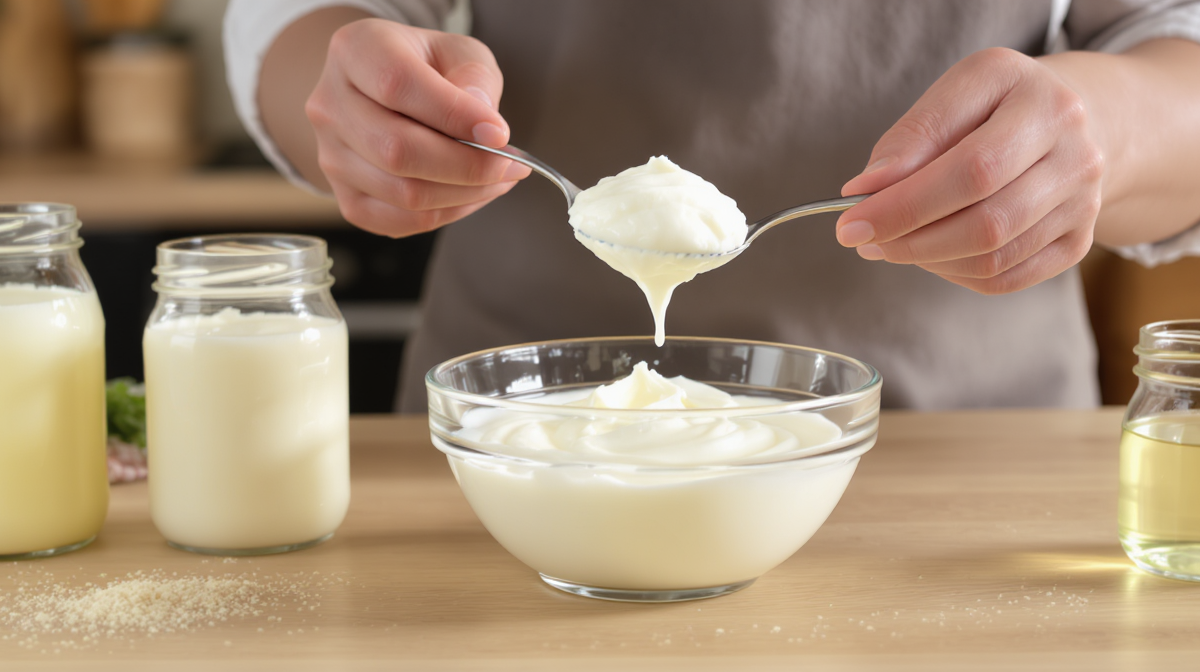
Ricotta cheese is a delightful fresh cheese celebrated for its creamy texture and subtle flavor. Often considered a staple in homesteading and frugal living communities, it represents an ideal project for anyone interested in cheese making at home. Utilizing either fresh milk or the nutrient-rich byproduct known as whey, ricotta combines resourcefulness with culinary tradition. The resurgence of DIY dairy crafts speaks to a broader desire for self-sufficiency, reducing waste, and savoring flavors crafted with love and care.
Understanding the foundational principles behind ricotta creation opens doors to experimenting with various ingredients and techniques while ensuring a delicious outcome. This approach roots itself in embracing simplicity without sacrificing quality, making it accessible to beginners and a rewarding challenge for seasoned cheese makers alike. Applying such home-based methods not only produces a fresh, high-quality cheese but also celebrates the art of transforming simple ingredients into nourishing staples.
Key Points to Remember:
- 🧀 Ricotta can be made from both whole milk and leftover whey, offering versatility for home cheese makers.
- 💧 The curdling process is critical and involves warming dairy and introducing acids for maximum yield.
- 🧺 Straining the curds carefully ensures smooth, delicate ricotta texture prized in many recipes.
- 🥛 Making ricotta at home supports reducing dairy waste and embracing sustainable cooking.
- 🍽️ This fresh cheese brightens dishes from savory pastas to sweet desserts with ease and freshness.
Unlocking the Art of Ricotta Cheese: Making Ricotta from Milk
Among the various ways to produce ricotta cheese, using whole milk remains one of the most straightforward and rewarding methods. This approach introduces novices to the world of homemade cheese by emphasizing accessible ingredients and uncomplicated steps. The essential process revolves around curdling, where milk proteins coagulate to form creamy curds, ultimately separated through straining. Heat and acidity play vital roles; the milk is gently warmed to around 190°F (88°C), and an acid like lemon juice or vinegar is added to trigger the formation of soft curds.
One practical tip is to mix milk and a small amount of heavy cream for an extra luscious texture. This practice replicates the creamy richness that commercial ricotta offers, elevating the homemade version’s mouthfeel. The curds are then left to rest for 10 to 20 minutes, during which they grow firmer and begin to separate from the watery whey. Pouring the mixture through a fine sieve lined with cheesecloth helps capture the curds, ensuring a smooth and delicate cheese mass.
The process benefits heavily from patience and attention to temperature; overheating can lead to tough curds, while insufficient heat won’t activate full coagulation. Additionally, the choice of acid is significant—natural lemon juice tends to produce a milder, more pleasant flavor compared to vinegar. Experienced makers might experiment with different dairy sources, incorporating goat or sheep milk for unique taste profiles.
Using milk offers greater control on the flavor and texture, giving every batch a personalized touch that resonates well in dishes like stuffed pasta or ricotta pancakes. This technique respects the natural properties of milk and elevates homemade ricotta beyond a simple recipe; it becomes a celebration of tradition and sustainability. For those intrigued by detailed inspiration and creative uses, exploring diverse recipes can expand culinary horizons and support a sustainable lifestyle.
Exploring more about diverse ricotta cheese uses enriches the experience, showcasing how this cheese complements everything from breakfast dishes to elegant desserts.
Making Ricotta Cheese from Whey: Efficient Use of Dairy Byproduct
Traditional Italian ricotta owes its roots to utilizing whey, the leftover liquid after cheese manufacturing, typically discarded but packed with valuable proteins. This sustainable method embraces environmental consciousness, transforming waste into gourmet delight. Making ricotta from whey extends the value of every batch of cheese, aligning wonderfully with frugal living ideals. Often, leftover whey contains traces of milk proteins that, when heated again under the right conditions, form delicate curds that can be harvested as ricotta cheese.
A practical approach involves heating the whey to near boiling (around 195°F or 90°C), which encourages curdling without additional acid in many cases, as the natural protein composition reacts to heat. Sometimes, a small amount of acid can be introduced to improve coagulation if necessary. This method usually results in a lighter, somewhat less creamy ricotta than milk-based versions but retains rich flavor nuances, especially if the whey came from flavorful cheeses like mozzarella or provolone.
Using whey helps conserve valuable resources, reduces landfill waste, and adds a nutritious staple to the home kitchen. Specific techniques stress gentle stirring to avoid breaking fragile curds, followed by careful straining with fine cloths to capture every drop of yield. Typical forms of whey used include sweet whey from rennet-coagulated cheese or acid whey from yogurt processing, each influencing the final texture and taste.
Cheese enthusiasts sometimes find inspiration in stories of old-world cheesemakers who devised this tradition to honor every bit of dairy’s bounty. Such heritage values remain vibrant in modern homesteading and frugal lifestyles, proving that thoughtful cheese making respects nature and cuts food waste. For expanded methods and tips on ricotta from whey, stepping into specialized guides can deepen the understanding of this charming craft.
Discover more in-depth techniques and helpful advice about turning whey into ricotta by exploring practical resources available in cheese making communities online.
The Science and Techniques Behind Ricotta’s Curds and Straining
The magic of crafting fresh cheese such as ricotta fundamentally relies on biochemical processes of curdling and straining. When warm milk or whey meets the right level of acidity or heat, the proteins—primarily albumin and globulins—begin to denature and coagulate, forming the recognizable clumps we call curds. Ricotta’s name itself means “recooked” in Italian, capturing the essence of this additional heating phase that sets it apart from other cheeses.
Knowing how to balance temperature, acid levels, and time can dramatically influence the quality of the final curds. High-temperature curdling favors firmer textures while lower temperatures support more delicate curds. The type and amount of acid—be it citric (from lemon), acetic (from vinegar), or lactic acids (from bacterial cultures)—alter the firmness and taste.
After curd formation, straining is pivotal in achieving ricotta’s characteristic creaminess. Traditional methods involve draining through cheesecloth or muslin in colanders, allowing whey to separate naturally under gravity. Types of strainers and duration—ranging from a few minutes to several hours—affect moisture content and texture, with longer straining yielding drier curds.
In practical terms, achieving a silky ricotta means avoiding excessive agitation during straining to preserve the delicate curd structure. Once drained, the ricotta offers endless possibilities, from spreading on warm bread to enhancing ricotta pasta or filling lasagna. These textural nuances make all the difference in culinary applications, encouraging experimentation with variables until an ideal balance is found.
Here’s a quick overview of essential elements influencing ricotta curd and texture:
| 🔑 Factor | 🎯 Effect on Ricotta | ⚙️ Practical Tip |
|---|---|---|
| Temperature | Controls curd firmness and moisture retention | Heat milk or whey gradually to 190-195°F; avoid sudden boiling |
| Acid Type & Amount | Determines flavor and texture softness | Prefer fresh lemon juice for mild taste; adjust quantity carefully |
| Straining Time | Impacts moisture level and texture | Short time for soft creamy; longer for firmer ricotta |
Understanding these scientific and practical insights provides a foundation for confident ricotta making, turning each batch into a fresh dairy masterpiece.
Watching step-by-step tutorials enhances understanding of heating and straining techniques to perfect the cheese texture.
Creative uses for homemade ricotta cheese in everyday cooking
Once freshly made, ricotta cheese brings a versatile and delightful ingredient into everyday recipes. Its mild sweetness and creamy texture allow it to shine in both savory and sweet dishes, making it a kitchen staple in households valuing sustainability and flavor diversity. Integrating homemade ricotta elevates traditional recipes and invites innovation in meal preparation, ideal for busy families striving for nourishing simplicity.
Savory applications such as spreading ricotta on warm toast garnished with herbs or drizzled with honey provide simple yet satisfying snacks. In pasta dishes—think creamy sauces or stuffed shells—the cheese adds richness and texture that store-bought varieties often fail to match.
For those seeking indulgence, ricotta merges beautifully with fruits and spices in desserts such as cannoli filling or ricotta cheesecakes. The fresh homemade touch offers superior freshness and taste, impressing guests and family alike.
Inviting children into the kitchen to help spread or mix ricotta encourages hands-on learning involving wholesome ingredients and cooking skills. Such experiences nurture confidence and appreciation for food origins, a core value in homesteading lifestyles.
Some creative examples of ricotta uses include:
- 🍞 Ricotta toast with tomato, basil, and a drizzle of balsamic reduction
- 🥟 Homemade ravioli filling mixed with spinach and nutmeg
- 🥞 Fluffy ricotta pancakes topped with fresh berries
- 🍰 Sweet ricotta and lemon zest cheesecake bars
- 🥗 Whipped ricotta dressing for garden salads
Exploring more inventive ways to use ricotta cheese can inspire home cooks to expand their culinary repertoire. Enriching your knowledge about cheese utilization can be found by visiting detailed culinary resources that highlight varied recipes and serving ideas to make the most of this fresh dairy staple.
Essential equipment and ingredients for successful homemade ricotta cheese
Achieving consistent and flavorful ricotta requires minimal but specific kitchen tools paired with quality ingredients. The simplicity of the recipe can mask the importance of selecting the right equipment and ingredients to ensure smooth, creamy results every time. Essential tools include a heavy-bottomed pot for even heating, a reliable thermometer to monitor precise temperatures, and fine cheesecloth or muslin for delicate straining.
Using fresh, preferably organic whole milk makes a significant difference in taste and texture. Heavy cream enhances creaminess, but those seeking low-fat versions can omit it at the cost of richness. For acidification, fresh lemon juice is preferred over vinegar due to its gentle flavor impact. Salt is optional, but a pinch enhances the ricotta’s natural sweetness.
Investing in these ingredients and utensils aligns with a sustainable kitchen ethos, reflecting respect for quality and waste reduction. Maintaining clean and sterilized equipment also helps prevent unwanted bacterial growth, crucial in any dairy production.
Below is a checklist of essentials for easy reference:
| 🧰 Equipment | 🧪 Purpose |
|---|---|
| Heavy-bottomed pot | Ensures even heat distribution to prevent scorching |
| Kitchen thermometer | Accurate temperature monitoring is vital for curdling |
| Fine mesh strainer | Separates curds from whey efficiently |
| Cheesecloth or muslin | Captures fine curds without tearing |
Mastering the details of this setup enables home cheese makers to confidently produce ricotta, elevating their culinary prowess in fresh dairy goods.
Detailed tutorials explaining equipment choice deepen understanding and improve success rates in cheese making endeavors.
Can ricotta cheese be made without adding acid?
Yes, especially when using whey, ricotta can be made by simply heating the whey to coagulate the proteins, as whey naturally contains enough acidity for curdling.
How long can homemade ricotta be stored in the refrigerator?
Homemade ricotta cheese typically keeps well for about 3 to 5 days when stored in an airtight container in the refrigerator.
What is the difference between ricotta made from milk and ricotta made from whey?
Ricotta from milk generally has a richer, creamier texture and milder flavor, while whey ricotta tends to be lighter and less creamy but makes excellent use of dairy byproducts.
Can other acids besides lemon juice be used for making ricotta?
Yes, vinegar or citric acid can also be used; however, they may impart a sharper taste compared to the more delicate lemon juice.
Is a cheese thermometer necessary for making ricotta?
While not absolutely required, a cheese thermometer helps maintain precise temperatures essential for perfect curdling and consistent results.