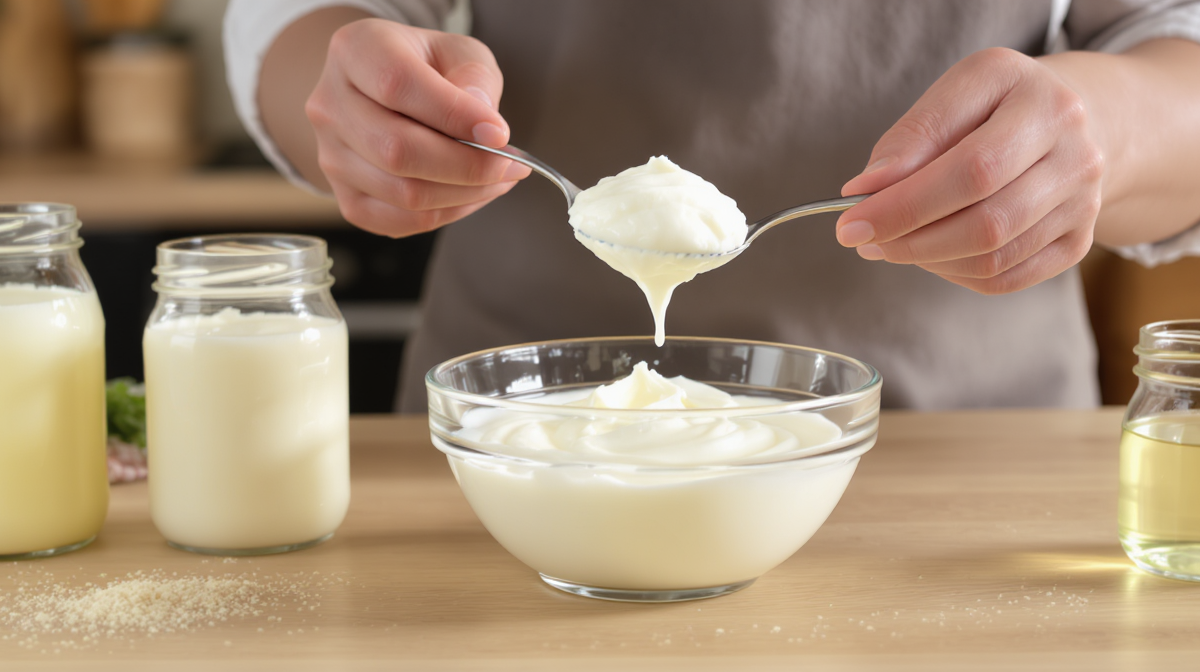
Discover the art of creating fresh, flavorful homemade mozzarella cheese in just 30 minutes—a delightful skill with both practical and frugal benefits. Amid rising grocery costs and a growing enthusiasm for self-reliance, nothing beats the satisfaction of crafting your own dairy treasures from simple ingredients. Whether it’s for melting on homemade pizza, layering in lasagna, or sharing at family gatherings, this quick and accessible method transforms everyday milk into creamy mozzarella cheese, freeing you from store shelves and additives while enriching your cooking repertoire. With a few essential tips and tricks, anyone can master the balance of curdling milk, stretching the curds, and shaping a perfect ball of cheese that rivals anything from a boutique cheese shop.
In brief:
- 🥛 Use fresh or whole milk, avoiding ultra-pasteurized varieties for better curdling.
- 🍋 Choose an acid like vinegar or bottled lemon juice for reliable curd separation.
- ⏰ The process takes less than 30 minutes from start to finish.
- 🥄 Stretching the cheese is key to texture—avoid overstretching to prevent hardness.
- 🧂 Salt levels can be adjusted during the process to suit taste preferences.
- ❄️ Chill homemade mozzarella before shredding to achieve the best results.
- ♻️ Whey, the cheese by-product, can be used creatively in cooking or as animal feed.
Essential ingredients and preparation for quick homemade mozzarella cheese
Creating fresh homemade mozzarella from scratch is surprisingly straightforward, involving only a few key ingredients most kitchens already have. The base is always whole milk, preferably fresh or raw, as this yields a creamier and more authentic cheese. Avoid ultra-pasteurized milk, which often fails to curdle properly due to higher heat treatments. For the acid needed to separate curds from whey, white vinegar with about 5% acidity is the preferred choice, though bottled lemon juice is a viable alternative with slightly less curd yield. Lastly, salt acts not only as a flavor enhancer but also as a natural preservative.
Getting the milk to the correct temperature—around 115°F—is critical; too cool and the curds won’t form, too hot and the texture suffers. Slowly warming the milk ensures even heating and prevents scorching. Once the acid is added, a short, gentle stir encourages consistent curd formation. These curds then separate clearly from the golden whey, signaling readiness. Using a slotted spoon, the curds are carefully scooped out and pressed to remove excess whey before salt is mixed in. Reheating the pressed curds to about 170°F primes the cheese for the exciting phase of stretching, when texture is truly shaped.
To ensure success, follow this checklist of essentials:
- Fresh whole milk (8 cups recommended for about 1 pound of mozzarella) 🥛
- White vinegar or bottled lemon juice (approximately 7 tablespoons) 🍋
- Salt (around 1/3 cup, pink or sea salt preferred) 🧂
- Thermometer for precise heating 🌡️
- Slotted spoon and non-reactive bowls 🍽️
Using these ingredients with care guarantees a rich, smooth cheese much superior to most store-bought options. This recipe is not only cost-effective but also boasts endless customization opportunities—from adding herbs during stretching to altering salt levels for personal taste.
Master the curdling and whey separation process for perfect mozzarella texture
One of the most fascinating steps in this homemade cheese adventure is the transformation of milk into solid curds and liquid whey through controlled curdling. Understanding this process is the first step toward cheese mastery. When the right amount of acid is added to warm milk, proteins coagulate, separating into lumps (curds) and the clearer liquid (whey).
Successful curdling requires attention to temperature, timing, and gentle handling. After heating milk to 115°F, stirring in vinegar or lemon juice slowly destabilizes the milk proteins. Within a few minutes, the curds form distinctly, floating in golden whey that resembles a clarified broth. If separation is incomplete, small increments of acid can be introduced, with stirring continuing until curds firm up.
Pressing the curds is both practical and sensory. Applying pressure by hand or spoon squeezes out residual whey, crucial for creating the desired creamy but elastic texture. Overly wet curds will result in a soft, less cohesive mozzarella, while over-dried curds tend to be crumbly. Timing here is critical; pressing should not become excessive.
Afterward, the whey’s temperature is increased—often to 170°F—with salt added. Dipping the pressed curds into this warm whey reheats them just right for the next stage: stretching. This warm saline bath also imparts the savory notes characteristic of mozzarella, making it both a flavor and functional step.
Patience and care during curdling yield the best cheese, tying beautifully into a lifestyle focused on quality and resilience. This understanding of dairy chemistry enriches the home cook’s relationship with food preparation, encouraging mindful kitchen practices.
Stretching techniques to achieve the smooth, elastic mozzarella cheese everyone loves
The hallmark of fresh mozzarella lies in its smooth, stretchy texture, and perfecting the stretching technique is paramount to achieving that. Once the curds have been properly heated and pressed, gentle but firm manipulation transforms clumps into supple, shiny balls of cheese. This step mimics traditional artisanal methods but is remarkably accessible to the home cook.
Stretching mozzarella is an interactive and tactile experience. As the curd warms, it becomes elastic, almost like taffy, allowing it to be pulled and folded repeatedly. Achieving the right balance is the key: stretch just until smooth, then stop to avoid a tough, rubbery result. Beginners might find it helpful to wear food-safe gloves as the cheese is quite hot during this phase.
Your hands or spoons can be tools for stretching. One recommended method involves pulling the cheese gently away from itself and folding it back, repeating this sequence until the desired texture emerges. If the cheese cools too quickly, briefly reheat in the hot whey or microwave in short bursts. Salt can be added during this stage to integrate seasoning evenly without disrupting the stretching process.
Stretching also allows for creative variations. Adding finely chopped herbs, sun-dried tomatoes, or even crushed garlic during this phase results in customized mozzarella that carries unique flavors, perfect for impressing friends at potlucks or family dinners.
For crumbly or rubbery cheese troubleshooters, the issue usually lies in overstretching or incorrect heat levels. Maintaining temperature accuracy and moderation in stretching duration leads to outstanding homemade mozzarella every time.
Creative uses and pairing ideas for your homemade mozzarella cheese
Fresh mozzarella’s versatility is a cherished trait among home cooks. After dedicating just 30 minutes to crafting your own cheese, explore myriad delicious ways to incorporate it into everyday meals. This cheese shines brightest in dishes where its creamy meltability and fresh flavor can take center stage.
A classic favorite is the Caprese salad, where slices of mozzarella are paired simply with ripe tomatoes, fresh basil, a drizzle of olive oil, and a splash of balsamic vinegar. This effortless combination highlights the cheese’s freshness and is ideal for warm-weather entertaining or a light lunch.
For heartier meals, nothing beats using homemade mozzarella atop freshly rolled-out pizza dough. The cheese’s superior melt and stretch contribute to that coveted pull-apart effect prized by pizza lovers worldwide. Likewise, layering it in a fully homemade lasagna alongside rich tomato sauce and homemade ricotta creates a comfort dish full of depth and satisfaction. Learn more about making homemade ricotta cheese to elevate your layering game.
Other creative uses include folding mozzarella into paninis or quesadillas, where its gooey texture provides a luscious, cheesy bite. Mozzarella also enhances baked casseroles, gratins, and even bread crumbs applications—try integrating freshly shredded cheese into homemade bread crumbs for extra flavor and moisture retention.
Keep in mind that leftover whey is a valuable resource. Rather than discarding it, incorporate it into smoothies for added protein, use it to boost soups, or feed it to backyard chickens to support egg production and health.
Practical tips, troubleshooting, and storage for fresh mozzarella cheese at home
Bringing homemade mozzarella cheese into your kitchen not only strengthens culinary skills but also invites rewarding problem-solving. Common challenges such as rubbery texture, incomplete curd formation, or difficulty shredding can be addressed with simple, effective tips to preserve both effort and enjoyment.
To prevent rubberiness, avoid overstretching the cheese or exposing it to excessive heat. Gentle handling during the curds’ transformation phase is crucial. Also, ensure the milk is adequately warm and that vinegar or acid levels are balanced to create strong curds without over-acidifying.
For shredding, chill the mozzarella in the refrigerator for a few hours to solidify moisture levels, improving shred consistency. Avoid electric graters, which can break the cheese down too finely; instead, opt for a manual grater and shredding at a controlled pace.
Fresh mozzarella is best stored in an airtight container in the fridge and consumed within one to two weeks. Wrapping the cheese in cling wrap or submerging it in a light brine extends shelf life slightly while maintaining texture. Don’t discard whey; instead, portion it out and freeze for use in soups, breads, or as a nutrient-rich feed supplement for garnering sustainable farming benefits.
Adjusting saltiness is easily accomplished during the stretching phase—taste as you go to personalize your creation’s flavor profile. For variations, infuse your cheese with herbs or sun-dried ingredients during final stretching to delight the palate and impress guests.
| 🧀 Common Challenge | 🔧 Solution | 📝 Tip |
|---|---|---|
| Rubbery or tough cheese | Avoid overstretching, monitor heat | Use food-safe gloves during stretching |
| Curds do not separate | Add acid gradually, ensure milk temp | Use fresh or properly pasteurized milk |
| Shredding challenges | Chill cheese well beforehand | Use manual graters for best texture |
| Whey wasted | Freeze for future recipe use | Incorporate in smoothies or animal feed |
Embracing these practical insights not only enhances each batch of mozzarella cheese but also nurtures a proactive approach to homesteading and frugal living. For even richer dairy experiences, explore further recipes for homemade cheese sauce or dive into ricotta cheese making techniques that complement this fresh mozzarella.
Is rennet necessary to make homemade mozzarella cheese?
While rennet helps achieve a firmer texture, it is not required for this quick mozzarella recipe. Using acids like vinegar or bottled lemon juice creates a fresh, softer cheese without rennet.
What kind of milk is best for homemade mozzarella?
Fresh whole milk is recommended for the richest, creamiest results. Avoid ultra-pasteurized milk as it often prevents proper curdling and affects texture.
How should homemade mozzarella be stored for maximum freshness?
Store mozzarella in an airtight container in the refrigerator and consume within one to two weeks. Wrapping in cling wrap or submerging in a mild brine solution helps maintain its shape and freshness longer.
Can I add flavors like herbs or sun-dried tomatoes to my mozzarella?
Yes, adding flavors such as fresh basil, sun-dried tomatoes, or herbs during the stretching process personalizes and enhances the cheese’s taste.
How can I use leftover whey from making mozzarella cheese?
Whey is a nutritious by-product perfect for smoothies, soups, bread recipes, or even as feed for chickens. Freezing leftover whey extends its usefulness.