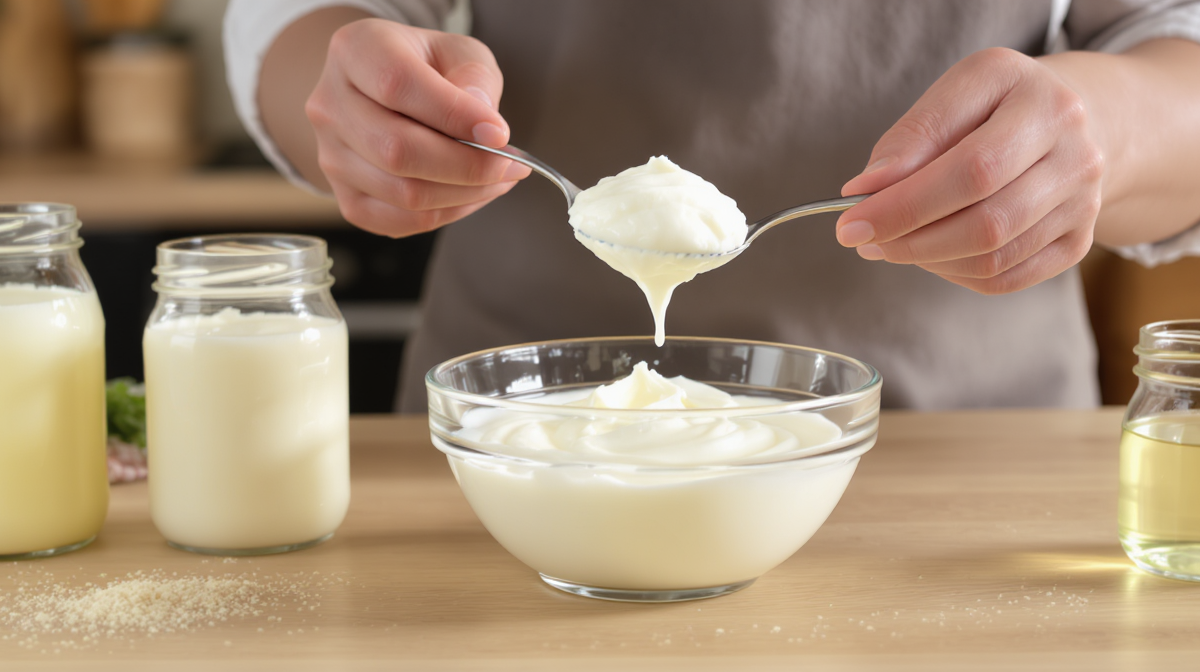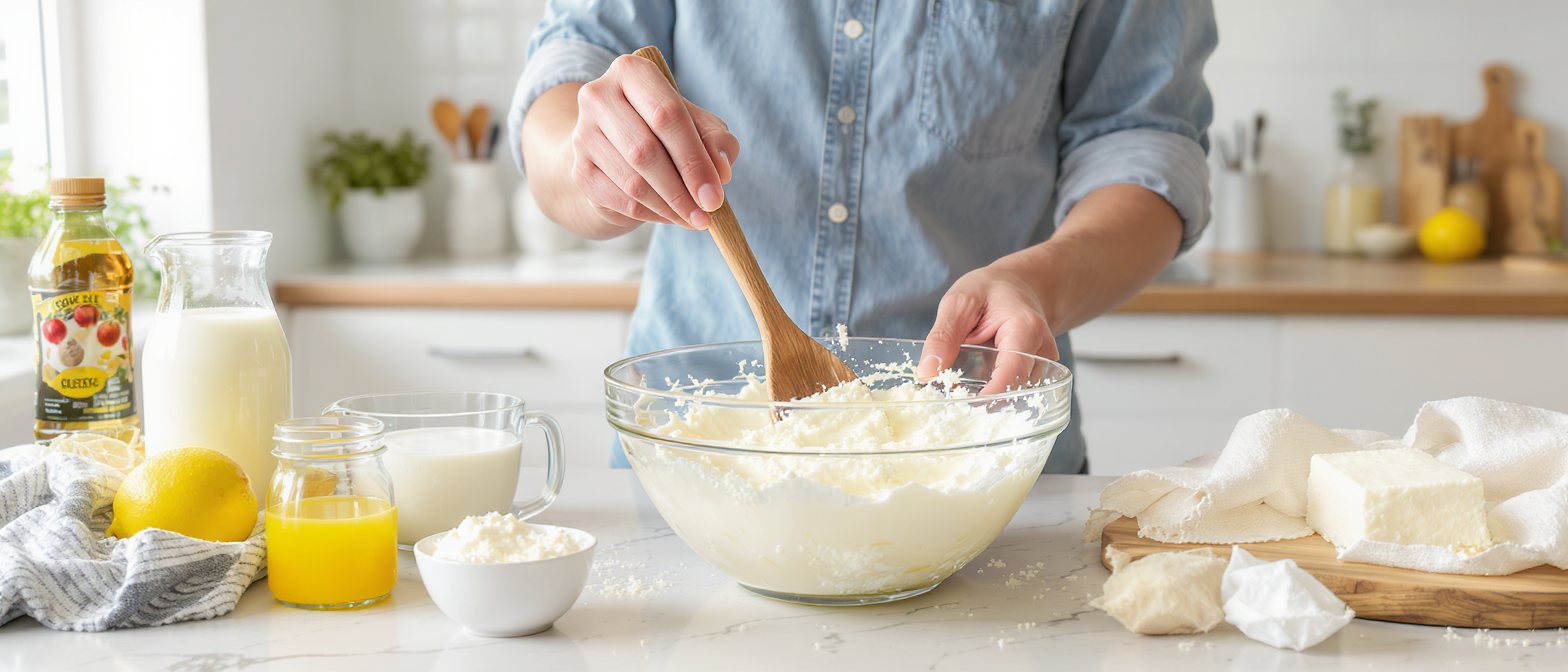
Discover the joy of crafting fresh, creamy cream cheese right from your kitchen with this accessible guide. Whether you’re embracing a frugal lifestyle or simply love the satisfaction of homemade dairy delights, this method for preparing soft cheese at home is an inviting game-changer. The process requires just a few common ingredients like whole milk and a simple acid—usually lemon juice or vinegar—and yields a tangy, luscious spread that’s far superior to anything found on supermarket shelves. Not only does it empower home cooks to control the flavor, texture, and quality of their cheese, but it also transforms routine food preparation into an enjoyable kitchen experiment that’s perfect for families and enthusiasts alike.
Mastering how to make cream cheese at home unlocks many culinary possibilities, from crafting savory dips to baking irresistible desserts. Along the way, discover tips to troubleshoot common challenges, dive into ingredient choices, and explore cost-saving benefits. This recipe invites you to savor the richness of dairy in its simplest form, making every dish you create richer and more satisfying.
Key takeaways:
- 💡 Learn a straightforward, quick method for homemade cream cheese using only two key ingredients.
- 🥛 Understand the role of milk quality and acid type in shaping your cheese’s flavor and texture.
- 🧀 Troubleshoot common issues such as grainy or runny consistency to ensure silky smooth results.
- ❄️ Best practices for storing your cream cheese safely and maximizing its shelf life.
- 🎨 Explore creative flavor variations and the cultural approach to deepen taste complexity.
- 💰 Compare cost benefits of homemade cheese making versus store-bought alternatives.
Step-by-step guide to making easy homemade cream cheese with everyday ingredients
At the heart of making cream cheese at home lies a simple scientific reaction: an acid setting heated whole milk. This transformation separates the milk into curds (the solids) and whey (the liquid). The process is surprisingly forgiving and accessible even for newcomers in the kitchen. Using a half-gallon of pasteurized whole milk and about a quarter cup of freshly squeezed lemon juice or distilled white vinegar, you start by gently warming the milk to just under boiling point. This moderate heat level, around 185-190°F (85-88°C), ensures delicate curds.
Once the milk reaches the ideal temperature, slowly stir in your chosen acid. Almost instantly, the milk will curdle, creating thick, white lumps floating in a golden liquid. After letting this mixture rest quietly for 10-15 minutes, pour it over a cheesecloth-lined colander to separate the solids from the whey. The long drainage step—15-20 minutes or more if you prefer firmer cheese—will determine the final creaminess.
For the finishing touch, transfer the curds to a blender or food processor and pulse in a small pinch of salt for flavor. Blend until you obtain a smooth, velvety texture. If you want your cheese softer, reserve a teaspoon of whey and add slowly until the desired consistency is reached. Then chill it in the refrigerator to set.
This straightforward recipe requires only everyday kitchen tools: a stainless steel pot, a thermometer (or visual cues for heat), cheesecloth or a thin clean towel, a strainer, and a blender or food processor. This simplicity allows you to focus on the experience of cooking and creating your own soft dairy masterpiece without intimidating equipment.
Choosing the best ingredients for rich and creamy homemade cream cheese
The quality of your ingredients directly impacts your cream cheese’s texture and flavor, making ingredient choice the foundation of successful home cheese making. Whole milk is essential for its fat content that imparts luscious creaminess and prevents dryness. Avoid ultra-pasteurized milk as it tends to yield weaker curds, while skim or 2% milk will likely create a crumbly, less creamy texture reminiscent of farmer’s cheese rather than classic cream cheese.
In fact, substituting whole milk with a blend of milk and heavy cream can elevate your cheese’s richness to a decadent level, perfect for those who favor a luxurious spread. Additionally, goat’s milk offers a delightful tangy variation rich with earthy undertones, bringing a fresh twist beloved by cheese connoisseurs.
Equally impactful is your choice of acid. Lemon juice lends a bright, citrusy note ideal for sweet and all-purpose cheese applications, while distilled white vinegar presents a clean, neutral tang preferred for savory dips and spreads without overpowering citrus hints. For those seeking complexity akin to store-bought cultured cheese, adding plain yogurt containing live cultures introduces gentle fermentation, deepening flavor with a slight tang.
| Ingredient 🥛 | Effect on Final Cheese 🧀 | Best Use |
|---|---|---|
| Whole Milk (Pasteurized) | Rich, creamy texture with excellent curd formation | Classic cream cheese, general use |
| Milk + Heavy Cream | Ultra-luxurious, decadently smooth cheese | Special occasions, gourmet spreads |
| Goat’s Milk | Tangy, earthy flavor, softer curds | Unique, artisanal styles and chèvre lovers |
| Fresh Lemon Juice | Bright citrus tang, fresh fragrance | Sweet recipes, bagels, frostings |
| Distilled White Vinegar | Neutral tang, lets milk flavor shine | Savory dips, herb-infused spreads |
| Plain Yogurt (With Live Cultures) | Complex, cultured tang, fermentation depth | Traditional cream cheese flavor, cultured style |
Understanding these nuances allows home cooks to customize their cheese to perfectly suit their culinary goals. For example, pairing the bright fresh lemon juice-based cream cheese with homemade no-bake cheesecake filling can amplify fruity, sweet elements, while vinegar-curdled cheese is excellent paired with garlic and herb blends for dips.
Common challenges and smart solutions for perfect homemade cream cheese texture
Even experienced kitchen enthusiasts face occasional hurdles when making soft cheese at home. Troubleshooting common issues like grainy texture, runny consistency, or unexpected bitterness helps build confidence and consistent success.
Grainy texture: Causes and fixes
Graininess often results when the milk is overheated, causing tight and rubbery curds difficult to blend smoothly. Avoid bringing the milk to a full boil—aim for the steaming, bubbly edge stage. Blending time also plays a key role; insufficient blending leaves curds uneven. Adding a small splash of reserved whey or milk during blending helps smooth the texture, turning grainy curds into luscious creaminess.
Runny cream cheese: How to thicken it up
Runny cheese signals excess whey. The simplest solution is extended draining. Wrapping the curds securely in cheesecloth and applying gentle pressure or allowing gravity to further drain for 30 minutes or more can transform loose curds into firm, spreadable cheese. You control the final thickness by adjusting strain duration and pressure applied. This step is crucial for recipes like thick bagel cream cheese spreads.
Bitter or overly sour taste: Identifying causes
Bitter or sour notes often emerge from using less-than-fresh milk or excessive acid. The secret is starting with fresh, high-quality dairy and carefully measuring acid quantities. Over-culturing with yogurt or letting curds ferment too long deepens tang but can turn sour. A tiny pinch of baking soda can neutralize excessive sourness, but this should be used sparingly.
Embracing these troubleshooting strategies transforms kitchen experiments into reliable, enjoyable outcomes. For more inspiration, pairing your homemade cream cheese with recipes like the homemade cheese sauce or using it to elevate easy cheeseburger soup can showcase its creamy, fresh flavor to perfection.
How to store, extend shelf-life, and creatively use homemade cream cheese
Proper storage extends the shelf life of fresh, preservative-free homemade cream cheese and ensures safe consumption. Always transfer your cheese to an airtight container, preferably glass, and keep it in the coldest part of the fridge. This prevents odor absorption and drying. Expect a fridge life of about 7 to 10 days for acid-set cheese, with cultured versions lasting up to two weeks thanks to natural bacterial preservation.
While freezing homemade cream cheese is technically possible, it is generally discouraged because thawing often adversely affects texture, turning it crumbly and watery. If freezing is necessary, frozen cream cheese is best reserved for cooked dishes such as sauces, casseroles, or baked goods like cheesecakes where texture changes are less pronounced.
Creative culinary exploration can enhance your homemade cream cheese experience. Adding ingredients such as scallions, jalapeños, or honey and walnuts after blending opens vibrant flavor profiles for every palate. This versatility makes homemade cream cheese a pantry essential. Whether spread on toasted bagels or used to make a dip, it complements a variety of dishes beautifully.
- 🌿 Highland garlic and herb blend for savory spreads
- 🍓 Fresh strawberry and sugar for a sweet, fruity treat
- 🌶️ Spicy jalapeño with sharp cheddar for heat and depth
- 🍯 Honey walnut for a decadent, sweet balance
- 🥯 Everything bagel seasoning stirred in for classic flavor
The cost-effectiveness and benefits of making cream cheese at home revealed
In 2025, the rising costs of dairy products are prompting more families to consider homemade alternatives. Making your own cream cheese is not only satisfying but also budget-friendly. Typical stores sell an 8-ounce tub of cream cheese for between $3.50 and $4.50 depending on the brand and location.
In contrast, using a half-gallon of whole milk costing approximately $2.50 to $4.00, plus minimal costs for lemon juice or vinegar (~$0.25), you can produce between 12 and 16 ounces of cream cheese — often doubling what you get from a store-bought tub. This represents an approximate cost of $1.50 to $2.25 per 8 ounces. Beyond the clear financial advantage, homemade cream cheese offers unmatched freshness, freedom from preservatives, and endless customization possibilities to suit your cooking preferences.
| Cost Item 💰 | Store-bought Cream Cheese (8 oz) 🧀 | Homemade Cream Cheese (~12-16 oz) 🍶 |
|---|---|---|
| Base Milk or Product | Brand cream cheese tub | Half-gallon whole milk |
| Cost Range | $3.50 – $4.50 | $2.50 – $4.00 |
| Additional Ingredients | None | Lemon juice or vinegar ($0.25) |
| Cost per 8 oz | $3.50 – $4.50 | Approx. $1.50 – $2.25 |
These economics alongside the experiential value make homemade cream cheese a smart and enjoyable choice for anyone interested in crafting delicious, quality dairy products in their own kitchen. It fosters a sense of kitchen mastery and complements a wholesome lifestyle anchored in homesteading and frugal living.
Can I use low-fat milk instead of whole milk for homemade cream cheese?
While it is possible, low-fat or skim milk produces a drier, less creamy texture that lacks the soft richness of classic cream cheese. Whole milk is recommended for the best results.
A clean, thin cotton kitchen towel or multiple layers of paper towels can work in a pinch, though cheesecloth is preferred for even drainage and better curd formation.
Why might my milk not curdle properly during preparation?
The milk may not be heated enough (aim for steaming bubbles near 190°F) or insufficient acid was added. Gradual stirring and temperature control help ensure proper curdling.
Is lemon juice better than vinegar for acidifying milk in cream cheese?
Both acids work well, but lemon juice imparts a fresh, citrusy brightness, making it ideal for sweet or all-purpose cheese. Vinegar offers a neutral tang, better suited for savory recipes.
How long can I store homemade cream cheese in the refrigerator?
Properly stored in an airtight container in the coldest part of the fridge, homemade cream cheese lasts 7-10 days for acid-set versions, and up to two weeks for cultured varieties.