Content
- 1 Choosing the best location for your backyard chicken coop
- 2 Designing your DIY chicken coop for safety and comfort
- 3 Step-by-step build process: constructing a functional chicken coop
- 4 Equipping your coop with all essentials for happy chickens
- 5 Home chicken care essentials: nutrition, health checks, and troubleshooting
- 5.1 Balanced nutrition and feeding routines for a thriving flock
- 5.2 Health observation and veterinary recommendations
- 5.3 Routine cleaning, coop inspection, and dealing with common issues
- 5.4 What size should my chicken coop be for a small flock?
- 5.5 Can I build a coop using recycled materials?
- 5.6 How often should I clean my chicken coop?
- 5.7 How can I protect my chickens from predators?
- 5.8 What are signs of a healthy chicken?
Raising backyard chickens is a growing trend in 2025, blending homesteading, sustainable living, and self-sufficiency into everyday life. At the heart of this practice lies the chicken coop, a crucial haven that protects and nurtures your flock. Crafting a well-designed, functional coop involves not just the physical construction but a deep understanding of poultry needs, local climate, safety requirements, and space management. This beginner guide unpacks these essential components, offering practical, creative steps that empower newcomers to embark on their DIY chicken coop projects with confidence and enthusiasm.
Building a coop requires balancing affordability and durability, with wood remaining the most popular choice due to its insulation properties and versatility. However, the process transcends material selection, touching on how to position your coop for optimal sunlight and airflow, safeguard the space against predators, and create a comfortable environment conducive to egg-laying and growth. Knowledge about local laws and regulations further ensures your poultry housing project aligns seamlessly with municipal expectations, preventing surprises down the road.
For those new to poultry farming or homesteading, understanding these layered factors before construction will save effort and foster a sustainable, thriving flock. Whether crafting a cozy retreat for a handful of hens or designing a larger system for multiple breeds, this detailed exploration of chicken coop design in 2025 reveals not only the “how” but the “why” of each essential step, inspiring resilience and creativity in backyard chicken keeping.
By embracing this beginner-friendly approach to coop construction, anyone can transform a patch of land into an inviting, secure home for their feathered companions—reaping the joys of fresh eggs, natural pest control, and the satisfaction of hands-on homesteading.
Key takeaways for building your ideal chicken coop include:
- 🐔 Designing for both the chickens’ comfort and your maintenance ease
- 🚧 Selecting and preparing building materials and site thoughtfully
- ☀️ Positioning the coop to maximize light and airflow, while minimizing drafts
- 🔒 Incorporating predator-proof features and legal compliance
- 🛠️ Equipping the coop with nesting boxes, roosts, and appropriate feeding areas
- 🧹 Planning regular cleaning and inspection to ensure flock health
Choosing the best location for your backyard chicken coop
Finding the perfect spot for your poultry housing sets the foundation for a healthy and happy flock. The location influences everything from your chickens’ daily comfort to predator safety. For beginners, understanding how to read sunlight patterns and local wind movements can drastically improve coop performance.
Sunlight exposure and ventilation benefits
Natural light is a vital factor for your backyard chickens. Proper sunlight regulates their circadian rhythms, enhancing egg production and overall health. A coop that faces east or southeast captures gentle morning sunlight while shielding the flock from harsh afternoon heat, particularly important during summer. Conversely, avoiding areas shaded by tall trees or buildings helps maintain consistent light levels.
Ventilation works hand-in-hand with sunlight. A site with steady, gentle breezes can minimize ammonia buildup caused by droppings and reduce respiratory problems. Yet, shielding the coop from strong, cold drafts is a must to prevent illness — a balance best achieved by observing typical wind directions and choosing natural barriers or designing vents strategically.
Checking local regulations and practical terrain considerations
Legal aspects often catch newcomers off guard. Zoning laws differ widely—from urban gardens that limit chicken numbers to rural zones empowering larger flocks. Before construction, consult municipal planning departments to clarify permit requirements and restrictions. This diligence secures your investment and fosters community harmony.
Examining your yard’s slope and drainage is also essential. A gentle incline ensures runoff doesn’t pool around the coop, avoiding damp bedding and disease risks. If necessary, building a leveled platform or raised coop prevents moisture issues during rainy seasons, reflecting the functional insight of experienced homesteaders. Furthermore, situating the coop around 30 feet from your living spaces reduces noise disturbance yet keeps daily chores convenient.
Designing your DIY chicken coop for safety and comfort
How you design your chicken coop directly impacts poultry health, egg production, and ease of task management. For beginners, choosing a plan that accommodates both the chickens and the homesteader’s workflow is key.
Space requirements and layout essentials
Each chicken requires a minimum of 3 to 4 square feet of indoor coop space to move and rest comfortably, while plans for outdoor runs provide an additional 8 to 10 square feet per bird to exercise. Such square footage accounts for breed variation; some larger or more active chickens need extra room. For example, larger dual-purpose breeds, often favored for both eggs and meat, might benefit from the higher end of this space range. Potential flock size ultimately shapes your coop’s footprint and construction budget.
Within the coop, consider these core zones:
- 🏡 Nesting boxes positioned in quiet, draft-free corners
- 🪵 Roosting bars installed 2-3 feet off the floor for natural sleeping habits
- 🥣 Feeding and watering stations placed near the entrance for easy refill and monitoring
Designing cleaning and egg-collection access also eases maintenance, making routine chores less cumbersome. Hinged roofs or doors that open wide allow swift bedding changes and thorough sanitization.
Material choices and insulation for year-round comfort
Wood remains the star material due to its affordability, insulation capabilities, and natural aesthetic. Yet it demands treatment against rot and pests to last. Alternatives include recycled pallets or durable metals, though the latter may challenge insulation needs by transmitting heat and cold more readily.
Insulation insulates your flock from seasonal extremes. In colder climates, adding straw or foam board insulation can vastly improve roost comfort and health. Ventilation must balance this insulation with adequate airflow to prevent moisture and ammonia buildup, which are harmful to respiratory health.
Choosing breathable materials like plywood for walls paired with well-placed vents creates an inviting environment. An option for warm summers includes installing ridge vents or cupolas, ensuring hot air escapes and mitigates heat stress during peak months. Proper insulation and ventilation are fundamental for keeping chickens comfortable all year round, as well illustrated in this resource on warming poultry in winter.
Step-by-step build process: constructing a functional chicken coop
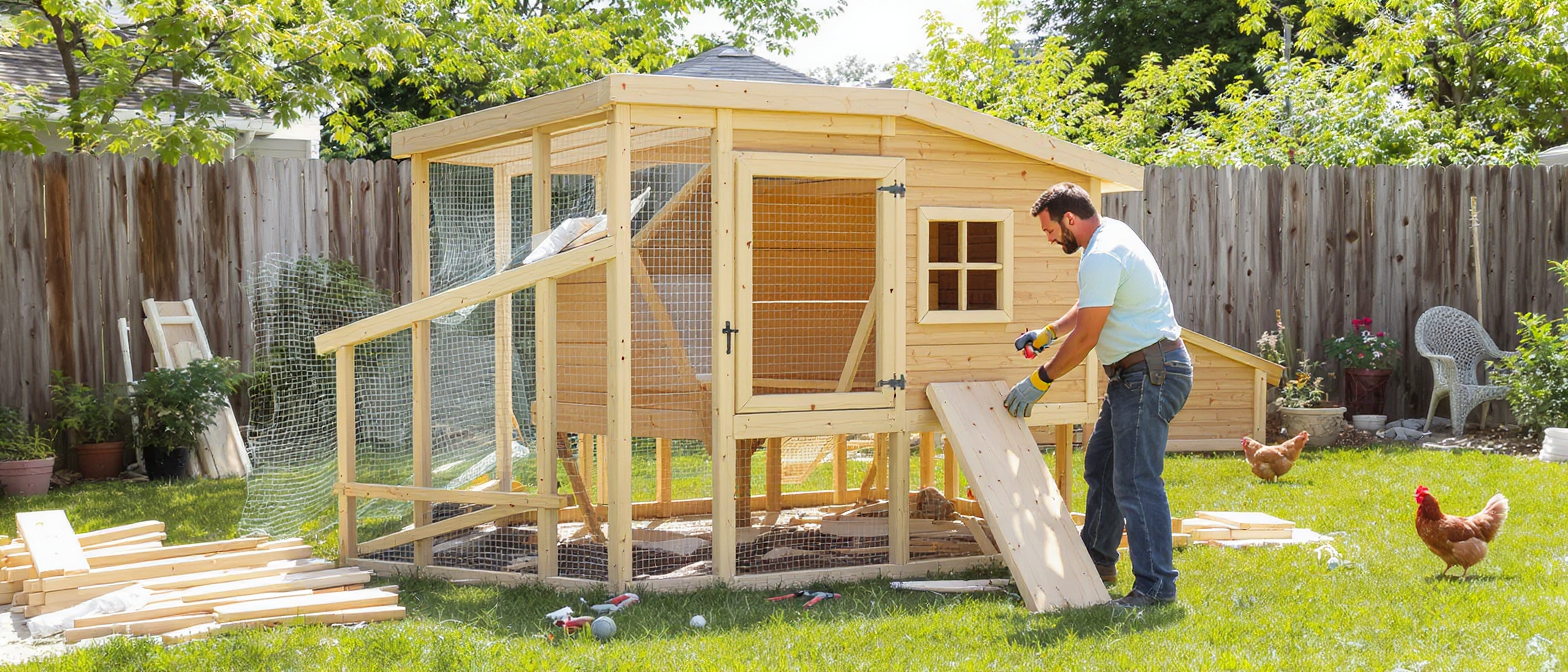
Embarking on coop construction blends plan execution with creative problem-solving, especially for beginners. With basic tools, patience, and suited materials, building your chickens’ home is within reach and deeply satisfying.
Gathering essential building materials and tools
The foundation of any successful project is preparation. Essential materials generally include:
- 🪚 Pressure-treated lumber or reclaimed wood
- 🔩 Screws, nails, and hardware cloth for predator-proofing
- 🔨 Drill, hammer, saw, measuring tape, and framing square
- 🏠 Plywood panels to sheathe and insulate walls and roof
- 🌧️ Waterproof sealants and roofing shingles or metal sheets
Each piece should be selected to withstand weather extremes while keeping the coop safe and dry. Some chicken keepers favor using natural preservatives like beef tallow to treat exposed wood surfaces, an age-old technique that enhances durability without harsh chemicals.
Key construction phases and assembly techniques
Start by preparing your site—clear vegetation, level the ground, and if possible, pour concrete footings or lay brick foundations to prevent moisture and pests invading from below. This resilient base supports the structure and extends its lifespan.
The frame, commonly built from 2x4s, forms the skeleton of the coop. Pay attention to secure joints, square corners, and strong attachments that resist wind and wildlife interference. After framing, installing hardware cloth around openings and the run secures the flock from aerial and ground predators alike.
Sheathing with plywood walls, installing roofing, and adding insulation follow. Precision cutting for doors and windows ensures proper ventilation and light. Some beginners find incorporating egg-collection access points a turning point for efficiency at egg-laying time.
Finally, add roosts, nesting boxes, and feeders. Setting up these interior elements on sturdy mounts ensures longevity and ease of access during busy mornings and cleaning days.
Equipping your coop with all essentials for happy chickens
Beyond walls and roof, outfitting the coop with thoughtful features shapes your chickens’ well-being and productivity.
Nesting boxes, roosts, and feeding stations
Quality nesting boxes, about 12x12x18 inches, set the stage for consistent egg-laying. Ensure they are easy to clean and placed in calm areas away from hustle. Roosts, mounted 2-3 feet high, give hens a secure space to rest overnight. Providing enough space on these bars prevents crowding and fighting.
Feeding setups should minimize spillage and contamination. Installing hanging feeders or automatic dispensers simplifies daily upkeep and keeps feed clean from vermin. Waterers, including gravity-fed or nipple systems, serve similarly vital roles in hydration.
Maintaining hygiene and health within your coop
Health begins with a clean environment. Regularly removing soiled bedding and droppings inhibits parasite buildup and respiratory threats. A suggested routine weekly inspection helps spot early illness signs like lethargy or unusually coloured droppings.
Predator-proof fencing around runs and electronic deterrents reduce risks from foxes, raccoons, and hawks. Also, install ventilation vents at least two feet above ground level to prevent drafts while keeping air fresh.
By creating such a safe, comfortable space, your flock is less stressed and more productive, a testament to wise chicken care principles and effective poultry farming.
Home chicken care essentials: nutrition, health checks, and troubleshooting
Once your chicken coop stands ready, the next chapter is tending your flock with care and knowledge. Feeding, health monitoring, and maintenance intertwine for a successful homestead experience.
Balanced nutrition and feeding routines for a thriving flock
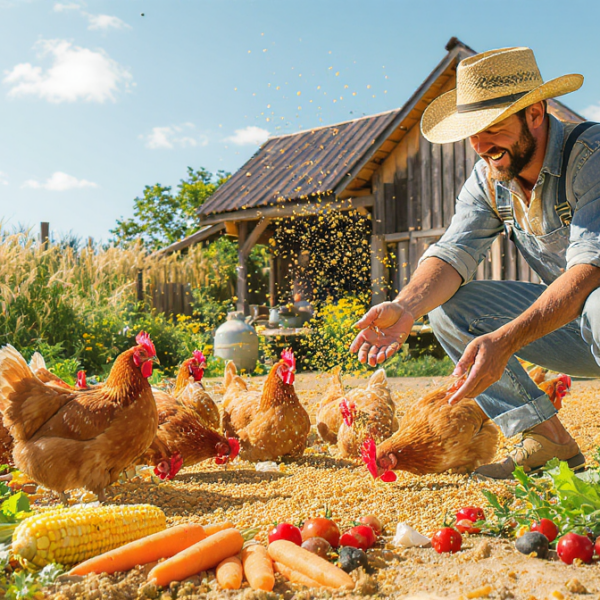
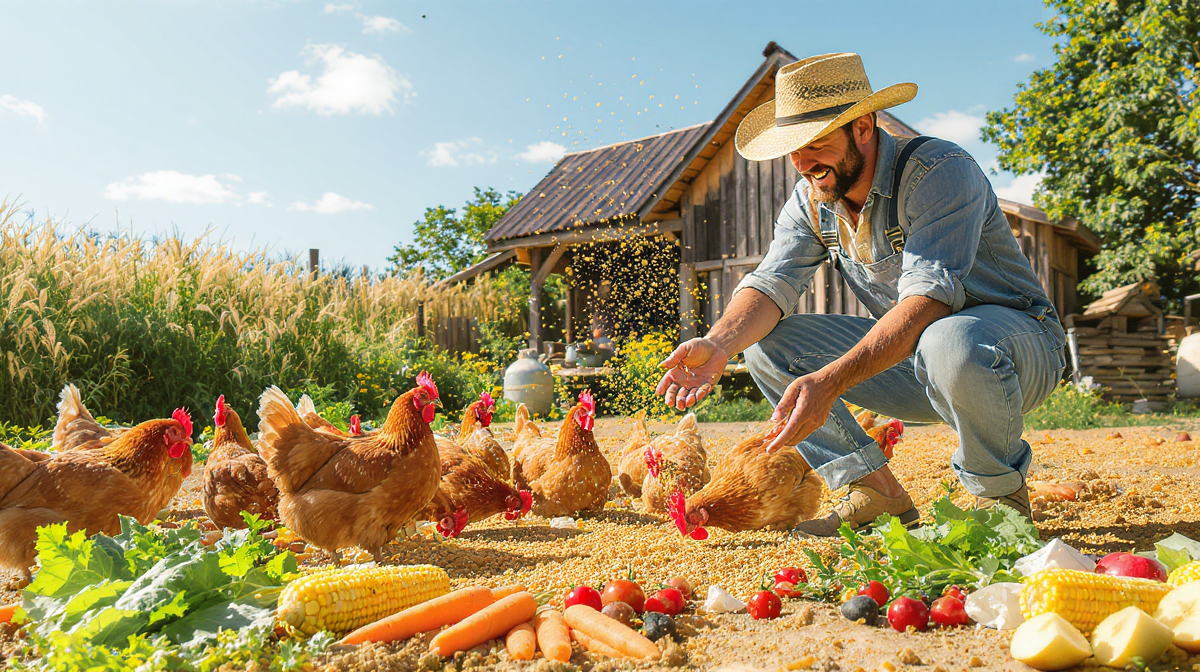
Nutritional needs vary by breed, age, and stage of egg production. For example, dual-purpose breeds recognized for versatility require tailored diets that provide energy for foraging and calcium for strong eggshells. Young chicks need high-protein starter feeds, while mature hens thrive on layer pellets supplemented with kitchen scraps like leafy greens and carrots.
Fresh water must be abundant and clean; hydration influences not only health but also egg quality. Proper feeding and watering systems compliment the quality housing you’ve built, fostering a balanced, vibrant flock.
Health observation and veterinary recommendations
Daily visual checks empower early detection of illnesses. Signs like clear nostrils, bright eyes, active movement, and normal droppings indicate good health, while lethargy, discharge, or feather loss warrant immediate attention. Isolating sick birds prevents contagion. Establishing a relationship with a poultry-savvy vet can save your flock from serious health crises through vaccination and parasite control clinics.
Routine cleaning, coop inspection, and dealing with common issues
Routine tasks like removing waste, changing bedding, and tightening fence staples keep your coop safe and inviting. Regularly check for holes or weak spots where predators may sneak in or where moisture threatens structural integrity.
Ventilation problems can cause ammonia buildup harmful to lungs—installing vents or windows on opposite sides enhances air flow. Overfeeding increases waste and attracts pests; measure feed portions carefully to avoid waste and maintain health.
Below is a helpful overview for maintenance tasks and common issues to watch:
| 🛠️ Maintenance Task | 🔍 Purpose | ⚠️ Common Issues | ✔️ Solutions |
|---|---|---|---|
| Daily cleaning | Prevent disease & odor buildup | Unsanitary bedding, pests | Replace bedding, sanitize food/waterers |
| Weekly inspection | Detect damage & health problems | Predator holes, sick birds | Repair fences, isolate & treat animals |
| Ventilation checks | Maintain airflow, prevent ammonia | Poor air quality, respiratory disease | Open vents/windows, add fans if needed |
| Feed management | Reduce waste and pests | Overfeeding, spoilage | Use measured feeders, clean regularly |
What size should my chicken coop be for a small flock?
Aim for at least 3-4 square feet per chicken inside the coop and about 8-10 square feet per bird in the outdoor run to ensure sufficient space for movement and comfort.
Can I build a coop using recycled materials?
Yes! Using reclaimed wood or pallets is eco-friendly and cost-effective but avoid treated wood with harmful chemicals to keep your flock safe.
How often should I clean my chicken coop?
Daily removal of droppings and soiled bedding is ideal, with a thorough weekly cleaning and inspection to maintain health and safety.
How can I protect my chickens from predators?
Installing hardware cloth around the coop and run, securing doors with strong latches, and checking for holes regularly will help keep predators at bay.
What are signs of a healthy chicken?
Bright eyes, active movement, clear nostrils, normal droppings, and well-groomed feathers indicate good health in your flock.