Content
- 1 The anatomy and layers of chicken eggs: a marvel of natural engineering
- 2 Understanding the journey of egg formation inside a chicken’s body
- 3 Hormonal regulation and the egg-laying process in hens
- 4 Key environmental and biological factors shaping egg production efficiency
- 5 Common challenges with egg laying and practical solutions
- 5.1 Abnormal eggs and their causes
- 5.2 Egg binding and reproductive complications
- 5.3 How often do hens lay eggs?
- 5.4 Do hens need a rooster to lay eggs?
- 5.5 What causes soft-shelled eggs in chickens?
- 5.6 Can changing light exposure influence egg production?
- 5.7 What is ‘egg binding’ and how is it treated?
Discover the secrets behind one of nature’s most everyday miracles—how chickens lay eggs. These humble poultry do far more than simply provide a breakfast staple; they embody an intricate biological process steeped in fascinating poultry biology. By unraveling the pathways of egg formation, ovulation, and reproduction, one gains a greater appreciation for these remarkable birds. Their journey from follicle development to the final gentle push of an egg through the cloaca is a story brimming with complex hormone interactions and precision. Whether tending a backyard clutch or walking through commercial flocks, understanding the laying process deepens the connection with these natural producers and highlights the delicate balance required to sustain their productivity and health.
Key points to keep in mind about chickens and their egg-laying process:
- 🐔 Egg formation is a multi-stage biological journey beginning within the hen’s ovary and resulting in a fully developed egg laid via the cloaca.
- 🌞 Proper environmental factors like lighting and temperature strongly influence egg production frequency and quality.
- ⚖️ Hormones such as follicle-stimulating hormone (FSH), luteinizing hormone (LH), estrogen, and progesterone orchestrate the stages of ovulation and egg laying.
- 🍳 The egg comprises multiple layers: the yolk, albumen, membranes, and protective shell, each contributing vital nutrients and protection.
- 🛠️ Understanding genetics and nutrition is key to improving flock productivity and addressing common egg-laying issues.
The anatomy and layers of chicken eggs: a marvel of natural engineering
Delving into the makeup of a chicken egg reveals an extraordinary design that balances nutrition, protection, and embryonic development. The egg is more than just a food source; it embodies a tiny ecosystem of vital components crafted through the reproductive genius of the hen.
Eggshell: Nature’s fortress built on calcium carbonate
The eggshell forms the outermost barrier, composed predominantly of calcium carbonate crystals. This porous yet sturdy structure serves to protect the delicate contents inside from physical harm and microbial invaders. Its microscopic pores allow oxygen exchange essential for embryo respiration while simultaneously blocking harmful bacteria. Depending on the breed and genetics of the hen, eggshells can range in hues from pure white to rich browns, blues, and greens, making each clutch unique. For example, Araucana breeds provide striking blue eggs, an intriguing variation shaped by specific genetic traits.
Albumen: the nourishing protective shield
Inside, the albumen or egg white envelops the yolk. This layer is not just a watery cushion but a vigorous protein-rich medium composed predominantly of albumins and globulins. These proteins supply essential amino acids and act as a shock absorber, ensuring the yolk remains unharmed during the egg’s transit. The albumen has two textures: a thick, gel-like main layer closest to the yolk and a thinner, more fluid outer layer; this duality safeguards the yolk while facilitating nutrient exchange.
Yolk: the nutrient packed powerhouse
The yolk sits at the core of the egg, serving as the vital nutrient reservoir. Filled with fats, proteins, vitamins like A, D, and E, along with minerals and cholesterol, the yolk provides everything necessary to nurture an embryo should the egg be fertilized. Its vibrant color—ranging from pale yellow to deep orange—is determined by the hen’s diet, particularly her intake of carotenoids found in foods like marigold petals or corn. A tiny germinal disc is visible on the yolk’s surface, representing the site where fertilization would occur. This remarkable layering process within the egg showcases nature’s precision and efficiency in optimizing both nutrition and protection.
Understanding the journey of egg formation inside a chicken’s body
Behind each egg lies a carefully timed sequence that transforms a microscopic ovum into a complete egg ready to be laid. This process unfolds piece-by-piece within the hen’s reproductive system, involving a symphony of physiological adaptations and hormonal signals.
From ovary to oviduct: the initial stages of egg formation
The egg’s origin begins in the hen’s ovary, where countless small follicles harbor immature ova waiting their turn. Each ovum resembles a tiny potential egg, yet only one at a time grows to maturity. This growth, stimulated by follicle-stimulating hormone (FSH), nurtures the yolk inside a follicle until it reaches full size. When ready, a surge of luteinizing hormone (LH) prompts the ovary to release the yolk through a process called ovulation.
Once released, the yolk enters the infundibulum — the uppermost part of the oviduct. Here, fertilization could occur if a rooster has mated with the hen, although fertilization is not necessary for egg-laying to continue. This receptive section catches and begins enveloping the yolk with protective membranes.
The oviduct’s conveyor belt: layering the egg components
The yolk then descends through different segments of the oviduct, each adding essential layers needed for a fully developed egg. In the magnum, thick layers of albumen are secreted, wrapping the yolk in its nourishing white cushion. This moving conveyor belt allows the egg to gain layers incrementally.
Next, the egg reaches the isthmus, where membranes—both inner and outer—form around the growing egg, adding further protection. The journey culminates in the uterus or shell gland, where the hen’s body magically constructs the eggshell using vast stores of calcium drawn from her bones and diet. Over roughly 20 hours here, the solid shell is layered on, finalizing the egg’s durable exterior before a special proteinaceous cuticle covers it to protect against bacteria.
Hormonal regulation and the egg-laying process in hens
Everything about egg laying hinges on a masterful hormonal choreography. Hormones fluctuate cyclically, causing biological milestones essential for ovulation and eventual egg production.
Follicle-stimulating hormone (FSH): priming the reproductive engine
FSH triggers follicles to develop within the ovary, increasing their size and preparing ova for ovulation. This hormone not only drives follicular growth but also stimulates estrogen production, essential for reproductive tract development and preparation.
Luteinizing hormone (LH): the egg release signal
When follicles mature, a short but intense surge of LH precipitates the rupture of the follicle, releasing the yolk. This ovulatory event is the critical moment marking the start of the long egg formation journey. LH also influences the formation of the corpus luteum-like body, which secretes progesterone to ready the oviduct and uterine tissues for the egg.
Estrogen and progesterone: supporting structures and timing
Estrogen peaks alongside FSH during follicle development, enhancing blood flow and tissue growth of the reproductive tract. After ovulation, progesterone rises to assist in maintaining the optimal environment for egg progression and egg laying. The interplay of these hormones ensures that the egg-laying cycle sustains itself rhythmically, aligning with environmental conditions such as daylight length.
Key environmental and biological factors shaping egg production efficiency
Productive laying hens depend heavily on a combination of intrinsic biology and external conditions. Understanding these influences can empower keepers to optimize their flock’s output and health.
Age and breed: natural productivity curves
Most hens start egg laying between 5 to 7 months, with peak productivity often occurring the following year. However, much like humans, hens exhibit an age-related decline in egg quantity and quality past two to three years. Certain breeds such as White Leghorns are selectively bred for exceptional laying capability, producing as many as 300 eggs per year, while heritage breeds prioritize flavor and resilience over sheer volume.
Nutrition: fuel for egg production
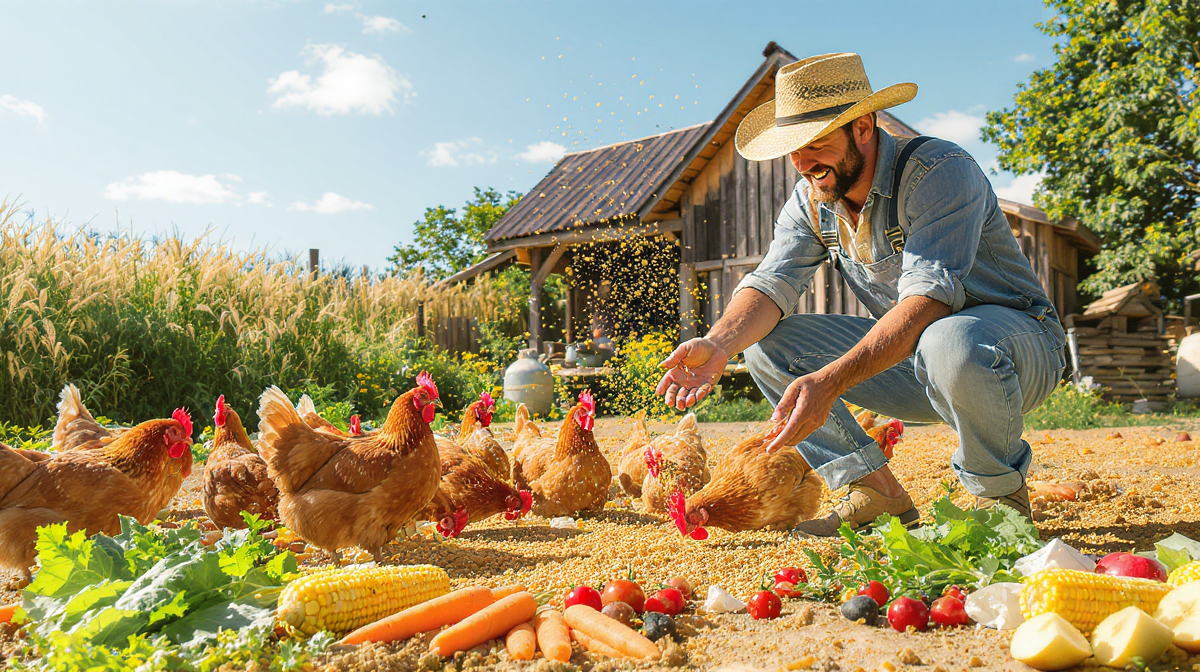
A diet abundant in protein and calcium is vital. Proteins provide the amino acids necessary for yolk and albumen synthesis, directly impacting egg size and quality. Calcium, sourced from oyster shell supplements or crushed eggshells, fortifies the eggshell, preventing soft or fragile shells. Inadequate nutrition manifests in common issues like soft-shelled eggs or decreased laying frequency.
Environmental influences: light, temperature, and stress
Chickens rely on consistent light exposure—around 14-16 hours daily—to maintain egg production, as light triggers hormonal regulation in the brain. Artificial lighting is often employed in regions or seasons with shorter daylight. Temperatures outside the comfortable 65°F to 75°F (18°C to 24°C) range can stunt laying, with heat being particularly disruptive. Additionally, stressors like overcrowding or predator threats can halt egg production, highlighting the importance of a calm, safe environment.
| 🐣 Factor | 🌟 Role in Egg Laying | 🛠 Tips to Optimize |
|---|---|---|
| Age & Breed | Determines egg quantity and size | Choose breeds like White Leghorns for high yield; rotate flocks to maintain productivity |
| Nutrition | Supports yolk, albumen, and shell quality | Provide high-protein feed and calcium supplements consistently |
| Lighting | Stimulates hormonal signals for ovulation | Ensure 14-16 hours of light daily, supplement artificial light when necessary |
| Temperature | Maintains hen comfort and laying performance | Maintain coop temperature between 65-75°F; use ventilation or heating as needed |
| Stress Levels | Stress can disrupt egg production | Provide quiet, safe environment with adequate space |
Common challenges with egg laying and practical solutions
Even the healthiest hens encounter obstacles that can impact egg production or quality. Recognizing and resolving these issues is key to ensuring a thriving flock.
Abnormal eggs and their causes
Occasionally, hens produce eggs with irregular shapes such as elongated or wrinkled shells. These can occur in younger hens still regulating their cycles or due to nutrient deficiencies. Double-yolked eggs, a delightful surprise for many, usually appear in young hens beginning to lay, caused by the simultaneous release of two yolks.
Soft-shelled or shell-less eggs point to calcium shortfalls or reproductive health problems. Addressing dietary gaps with supplements or veterinary consultation generally restores normal shell formation.
Egg binding and reproductive complications
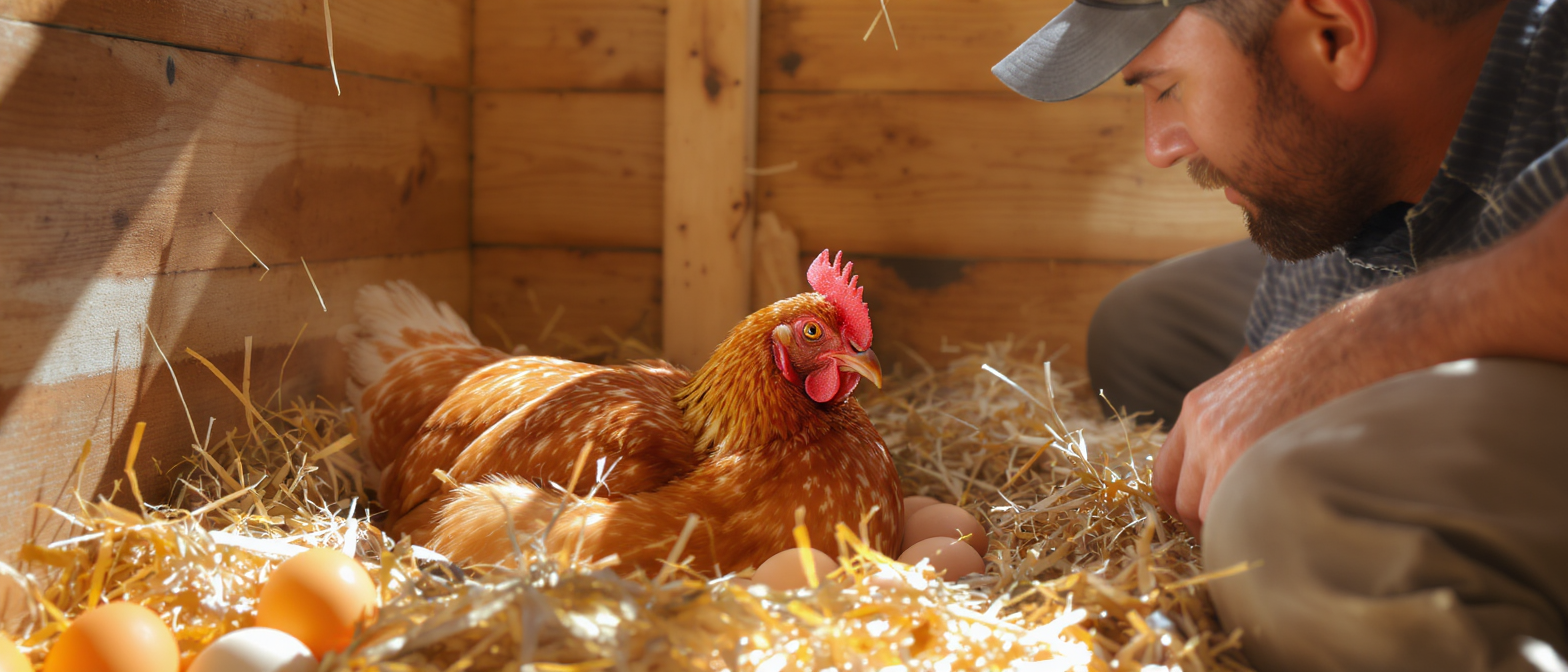
A more serious concern is egg binding, where a hen struggles to lay an egg that becomes stuck in the oviduct. This condition can arise from oversized eggs, dehydration, or illness. It requires prompt intervention, such as gentle abdominal massage or veterinary care to prevent fatal outcomes. Similarly, vent prolapse, where internal tissues protrude externally, demands immediate attention, clean bedding, and stress reduction to heal properly.
- ⚠️ Monitor hens daily for signs of distress or abnormal behavior.
- 🥚 Maintain balanced nutrition rich in calcium and protein.
- 🧴 Create a safe, stress-free environment with proper space and shelter.
- 🩺 Consult a vet promptly when egg-laying complications arise.
- 🛏 Provide soft bedding to reduce injury risks and encourage healthy laying behavior.
The above video beautifully illustrates the egg-laying process from follicle release to the passage through the cloaca, offering a visual companion to this detailed exploration.
This educational video breaks down the anatomical journey of egg formation, aligning well with the scientific insights shared here.
How often do hens lay eggs?
Most hens lay one egg per day during peak production periods, though this varies by breed, age, and season.
Do hens need a rooster to lay eggs?
Hens do not require a rooster to lay eggs; however, fertilization only occurs if mating has taken place.
What causes soft-shelled eggs in chickens?
Soft-shelled eggs typically result from calcium deficiencies or stress and can be mitigated with dietary calcium supplements and good flock management.
Can changing light exposure influence egg production?
Yes, hens need approximately 14-16 hours of light daily to maintain consistent egg laying, and artificial lighting can support this in low-light seasons.
What is ‘egg binding’ and how is it treated?
Egg binding happens when a hen cannot expel an egg, requiring immediate care such as gentle massage or veterinary intervention to prevent complications.