Content
- 1 Understanding essential poultry nutrition for a healthy chicken diet
- 2 Safe fruits, vegetables, and grains: wholesome treats for backyard chickens
- 3 Natural protein sources and supplements: fortifying hen health naturally
- 4 Foods to avoid: protecting chickens from toxic and harmful substances
- 5 Practical tips for healthy chicken feeding and flock wellbeing
Discovering what chickens can safely consume is crucial for every backyard chicken enthusiast striving to maintain hen health and optimize poultry nutrition. Chickens are naturally curious omnivores who delight in a diverse chicken diet, exploring everything from garden greens to protein-packed insects. Knowing which edible treats promote vitality without compromising well-being is essential for anyone dedicated to natural chicken food management and effective poultry care. This guide unfolds an enthusiastic yet practical roadmap to feeding your flock a tasty, secure variety of foods to enhance their lives year-round, all while balancing enjoyment with health.
Here’s a quick rundown on what to keep in mind for safe and nutritious chicken feeding:
- 🌿 Balanced commercial feed remains the cornerstone of a healthy chicken diet, supplying essential nutrients tailored to each life stage.
- 🍎 Fresh fruits and vegetables offer vitamins and fiber but must be prepared carefully, removing seeds and pits.
- 🐛 Natural protein sources like bugs and insects are beloved treats rich in essential amino acids.
- 🚫 Avoid toxic foods such as raw potatoes, avocado, chocolate, and moldy scraps to prevent health risks.
- ⚖️ Treats should not exceed 10% of daily intake to prevent obesity and nutritional imbalance.
Understanding essential poultry nutrition for a healthy chicken diet
Chickens thrive on a carefully balanced diet that meets their needs for proteins, carbohydrates, fats, vitamins, and minerals. The foundation of poultry nutrition rests on providing complete commercial chicken feed formulated for specific life stages—whether chicks, laying hens, or adult roosters. This feed guarantees the correct ratio of nutrients like protein (critical for feather growth and egg production), calcium (vital for strong eggshells), and energy sources to keep chickens active and healthy.
In practice, many flock owners supplement this primary feed with natural chicken food found in the environment or homegrown garden treats. Diverse edible treats, such as leafy greens, berries, and carefully prepared grains, contribute essential antioxidants, fiber, and micronutrients that boost immune function and improve overall wellbeing. It’s recommended to limit such supplements to around 10% of the flock’s daily diet to prevent nutritional excess and obesity.
Moreover, chickens enjoy abundant protein from insects. Scrambling through dirt or grass, they naturally consume crickets, mealworms, and grubs, which are packed with amino acids and minerals. This natural hunting behavior not only satisfies appetite but enhances hen health by providing fresh, bioavailable nutrients. Avoid feeding wild-caught pests like flies or rodents with suspected disease exposure to prevent illness. Overall, the best poultry care involves harmonizing commercial feeds with natural treats to replicate a free-range diet that supports vitality and robust egg production.
Safe fruits, vegetables, and grains: wholesome treats for backyard chickens
Introducing fresh fruits and vegetables into the chicken diet is an easy way to provide vitamins and enrich flavor, but knowledge of safe treats is key. Chickens appreciate a rainbow of garden produce, from leafy greens such as kale and dandelion, to berries like strawberries and blueberries, each supplying important nutrients like vitamin A, C, and antioxidants. However, preparation matters: remove any pits, seeds, or rinds to avoid choking hazards or toxicity.
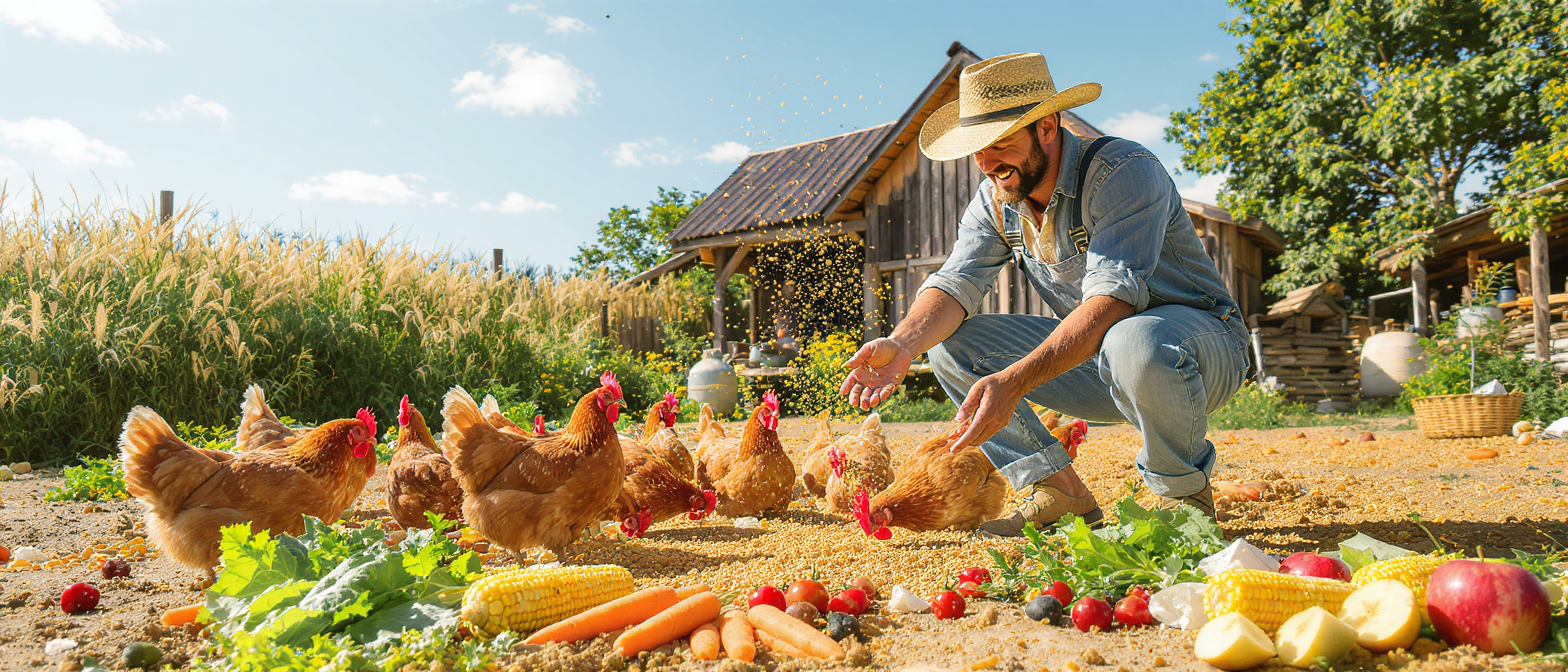
Among the fruits beloved by chickens, apple slices without seeds, melon chunks, and vine-ripened tomatoes (green tomatoes should be avoided) provide hydration and sweetness. Vegetables like broccoli florets, peas, carrots, and cooked peas satisfy the flock’s craving for fiber and vitamins. Offering these fresh picks in bite-size pieces encourages natural pecking and enriches the chicken feeding experience beyond typical pellets.
Grains and legumes also have a rightful place. Whole oats, wheat, barley, and quinoa meet carbohydrate needs and energy demands, helping hens during egg-laying seasons. Cooked beans and peas can be offered but must never be raw due to lectins and possible toxins. As with all treats, grains should be given sparingly to avoid excess calorie intake as they are akin to candy in palatability for poultry.
Incorporating a variety of safe foods improves flock health by providing antioxidants and fibers that support digestion and feather quality. Additionally, growing chicken-friendly plants in the garden, such as clover and marigolds, supplies free forage, boosting natural chicken food options and reducing feed expenses, a vital tip for sustainable and frugal living.
Natural protein sources and supplements: fortifying hen health naturally
Protein is fundamental for both growth and egg production in chickens. Natural protein sources in the form of insects, worms, and occasional animal matter offer nourishing options that align with the chicken’s instinctive diet. These safe treats like mealworms, crickets, and maggots are packed with essential amino acids, vitamins, and minerals that complement commercial feed efficiently.
Incorporating such proteins can be as simple as encouraging free-ranging or occasionally supplementing with dried or live insects purchased from reputable suppliers. Some backyard enthusiasts preserve surplus garden produce and insects by drying them into long-lasting snacks that hens eagerly enjoy throughout the year. This practice enriches poultry nutrition significantly.
Supplements like oyster shells provide crucial calcium for eggshell integrity, and grit aids digestion by grinding food in the gizzard. Offering these free-choice allows chickens to self-regulate intake. Additionally, seeds like sunflower and flaxseeds provide valuable healthy fats and oils that contribute to glossy feathers and increased vitality.
Despite their omnivorous nature, caution is warranted with animal protein sources from wild prey due to the risk of disease transmission. It’s critical to avoid feeding chickens rodents, snakes, or birds caught in contaminated environments. Balancing these protein treats with high-quality feed and fresh greens ensures a vibrant, resilient flock thriving through all seasons.
Foods to avoid: protecting chickens from toxic and harmful substances
While chickens eagerly explore diverse foods, some items are dangerously toxic and must be strictly avoided for maintaining hen health. Certain human foods contain compounds toxic to poultry, potentially causing illness or death if ingested.
Avocado, especially its pits and skins, contains persin, a toxin causing respiratory distress and heart damage in chickens. Raw potato skins and green potatoes pose a risk due to solanine, which can cause digestive upset and neurological symptoms. Chocolate, with theobromine, is notably poisonous, leading to agitation, seizures, or death. Onions and garlic damage red blood cells and can cause anemia, while moldy or spoiled foods risk fungal infections that severely compromise poultry care efforts.
Additionally, processed foods loaded with preservatives, salt, and sugars disrupt poultry nutrition balance and contribute to obesity or metabolic disorders. Alcohol, caffeine, and raw dried beans are outright hazardous and should never enter the chicken coop.
Chickens’ delicate digestive systems require vigilance. Avoid giving table scraps without knowledge of ingredients, and ensure that any treat introduced is safe by consulting trusted references or expert advice. Erring on the side of caution keeps your flock lively, productive, and free from preventable health crises.
Quick reference table of safe and unsafe foods for chickens 🐔🍎❌
| 🍲 Food Item | ✅ Safe to Feed | ⚠️ Notes / Cautions |
|---|---|---|
| Apples (without seeds) | Yes | Remove seeds to avoid cyanide risk |
| Avocado (pit, skin) | No | Toxic due to persin |
| Cooked rice and pasta | Yes | Offer in moderation |
| Chocolate | No | Contains theobromine |
| Carrots | Yes | Fresh or cooked is fine |
| Green potatoes | No | Contains solanine, toxic |
| Mealworms and crickets | Yes | Excellent protein source |
| Moldy bread or scraps | No | Risk of fungal infection |
| Sunflower seeds | Yes | Great for healthy fats |
| Onions and garlic | No | Cause anemia |
Practical tips for healthy chicken feeding and flock wellbeing
Keeping a flock vibrant and productive requires more than knowing which foods chickens can enjoy—it involves thoughtful feeding habits and environmental care. Offer fresh water daily and provide free-choice grit and oyster shells so your chickens can self-regulate their mineral intake, essential for digestion and eggshell strength.
Rotate treats and edible treats to prevent boredom and ensure a diverse chicken diet. Feeding time is a chance to stimulate natural foraging behavior by scattering treats across the ground or using puzzle feeders, which promote movement and curiosity.
Monitor your flock’s weight and egg production routinely. Overfeeding treats can cause obesity, reducing hen health and productivity. Especially in winter, consult resources on how to keep chickens warm and healthy during colder months, incorporating nutritional adjustments to boost immunity.
Keep an eye out for food preferences within your flock—some hens may prefer leafy greens while others adore insects. Introducing new foods should always be gradual to catch any adverse digestive reactions early. This proactive approach embodies exemplary poultry care practices and nurtures a resilient flock ready to thrive through 2025 and beyond.
Can chickens eat potato peels or skins?
Yes, chickens can safely eat potato peels as long as the peels are not green or sprouted, which contain harmful solanine. Always inspect carefully before offering.
Is it safe to feed chickens cooked versus raw beans?
Cooked beans are safe because cooking neutralizes toxins present in raw beans. However, raw beans should never be fed due to harmful lectins.
What percentage of treats should be included in a chicken’s diet?
Treats should make up no more than 10% of a chicken’s daily intake to maintain balanced nutrition and avoid weight-related issues.
Can chickens eat dairy products?
Small amounts of plain yogurt, cheese, and cottage cheese are usually well-tolerated, but milk should be avoided as poultry are lactose intolerant.
What natural proteins are best for backyard chickens?
Insects like mealworms, crickets, and grubs offer excellent natural protein. These help meet amino acid requirements and keep hens active and healthy.