Content
- 1 Choosing and preparing a fresh pumpkin for cooking and baking perfection
- 2 Mastering roasting techniques: unlocking pumpkin’s natural flavors and texture
- 3 From roasted pumpkin to smooth puree: the essential steps for homestead baking
- 4 Exploring alternative cooking methods: steaming and boiling for fresh pumpkin
- 5 Creative recipes and uses for freshly cooked pumpkin and puree
Discover the art of cooking fresh pumpkin to create nutritious puree perfect for all your baking quests. Whether it’s your family’s cherished pumpkin pie or a novel recipe yearning for that seasonal twist, mastering this preparation elevates every dish. Embracing pumpkin cooking is not only about taste but also about harnessing fresh, wholesome ingredients from your garden or local markets, minimizing waste, and celebrating seasonal harvests.
This guide shows the very essence of preparing pumpkins by roasting and steaming, as one dynamic mom’s experience in frugal living and homesteading reveals practical steps—you’ll gain confidence to transform raw pumpkins into velvety textures ready for baking and cooking.
Brief highlights for your pumpkin cooking endeavors 🍂:
- 🎃 Select fresh sugar or pie pumpkins ideal for baking and puree.
- 🔥 Master roasting to unlock natural sweetness and silky texture.
- 🔪 Efficient preparation tips for halving and seed removal.
- 🍲 Versatile uses from soups to desserts ensuring none goes to waste.
- ❄️ Proper storage methods to preserve pumpkin puree for weeks.
Choosing and preparing a fresh pumpkin for cooking and baking perfection
The path to a delicious pumpkin puree begins long before roasting or steaming. Picking the right pumpkin guarantees a naturally sweet base without bitterness, crucial for versatile baking. Ideal candidates are the small sugar or pie pumpkins, typically weighing between 2 to 5 pounds, prized for firm flesh and manageable size.
Harvested pumpkins sometimes arrive with tough skins and fiber-rich interiors. Preparation involves:
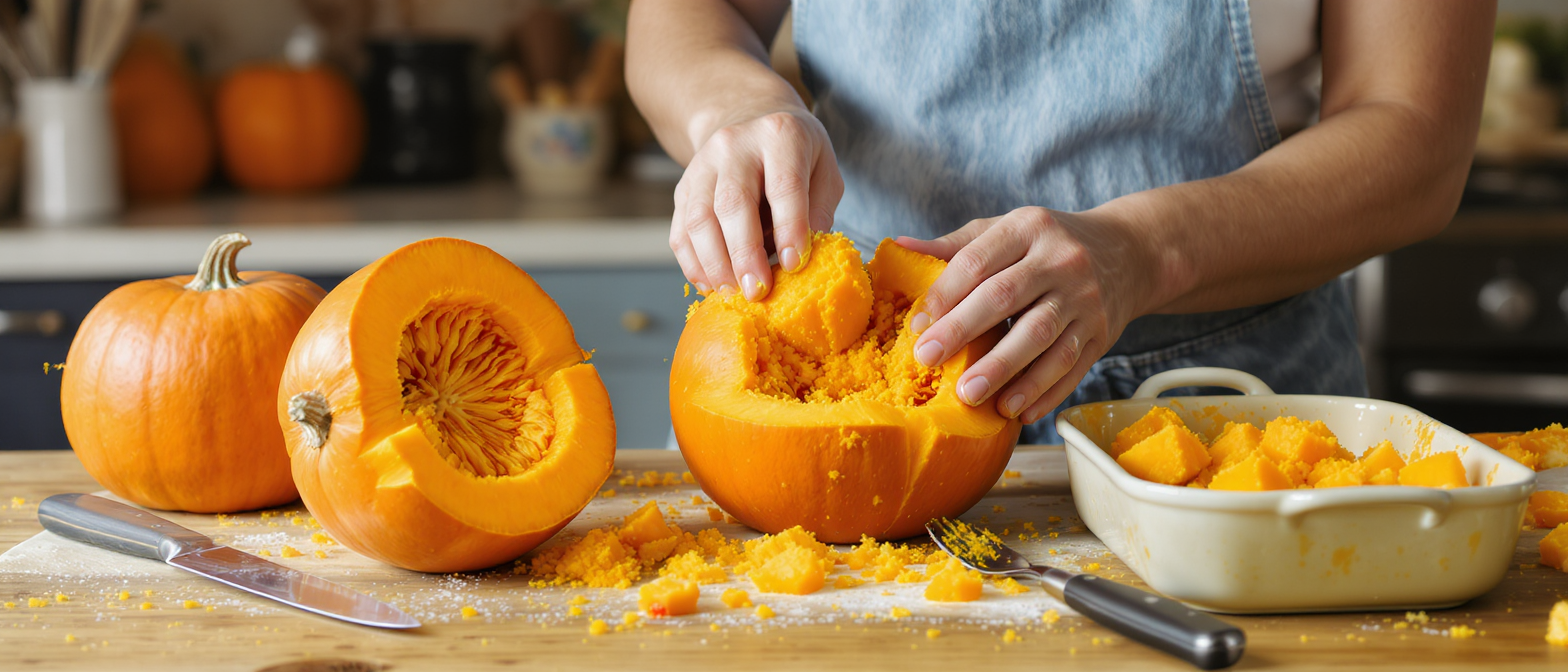
- 🔪 Using a sharp knife to carefully halve the pumpkin lengthwise, ensuring safety and making scooping easier.
- 🥄 Scooping out seeds and stringy pulp, saving seeds for roasting—a frugal and tasty snack option.
- 💧 Washing pumpkin halves gently to remove excess debris, setting up clean cooking.
Handling fresh pumpkins can be daunting; however, the process becomes second nature with practice. Notably, leaving the skin intact during cooking helps preserve moisture, an essential factor when steaming or roasting for puree.
For practical frugality, consider saving pumpkin scraps for composting or turning them into nourishing stocks—an excellent way to honor sustainability in the kitchen.
| Step 🔪 | Purpose 🍴 | Tip 💡 |
|---|---|---|
| Choose sugar or pie pumpkin | Ensures sweet, smooth flesh | Small pumpkins yield better puree than large carving varieties |
| Halve pumpkin lengthwise | Allows easy seed removal and cooking | Remove top and bottom if difficult to cut |
| Scoop out seeds | Removes inedible parts, seeds saved for roasting | Use spoon or ice cream scoop for efficiency |
| Clean pumpkin halves | Prepares for hygienic roasting or steaming | Wipe with damp cloth rather than soaking |
Mastering roasting techniques: unlocking pumpkin’s natural flavors and texture
Roasting is the heart of pumpkin cooking that yields intense flavor and soft texture ideal for baking and pureeing. Similar to caramelizing onions, roasting pumps out a natural sweetness by converting starches into sugars.
Here are key steps to perfect roasted pumpkin preparation:
- 🛢️ Brush pumpkin flesh with oils such as coconut oil for sweet dishes or avocado oil for savory, locking in moisture and enhancing caramelization.
- 🧂 Sprinkle a pinch of salt to balance sweetness and deepen flavor layers.
- 🔥 Place the pumpkin halves flesh side down on a parchment-lined baking sheet to concentrate heat and avoid drying out.
- 🔪 Pierce the skin with a fork or knife, allowing steam to escape and ensuring tenderness.
- ⏲️ Bake at 350°F (176°C) for 45-50 minutes for a typical sugar pumpkin weighing 2-3 pounds; tenderness is detected when skin yields to a fork.
Roasting not only softens the flesh but enhances the pumpkin’s beautiful orange hue, signaling readiness for puree or mashed preparations. Letting the pumpkin rest before scooping ensures safety and preserves texture.
| Baking Parameters 🔥 | Effect on Pumpkin | Cooking Tip 🍳 |
|---|---|---|
| 350°F (176°C) – 45 to 50 minutes | Softens flesh, caramelizes sugars | Keep skin side down for moist results |
| Use coconut oil | Adds subtle sweetness, suits desserts | Brush evenly |
| Pierce skin | Releases steam, avoids soggy texture | Use fork or knife gently |
Roasted pumpkin is versatile. It can be transformed into pumpkin soup, such as the creamy pumpkin soup that brings warmth to any chilly day found at this recipe inspiration. Experiment with savory or sweet recipes depending on your meal plan or mood—it’s a fun pumpkin adventure!
From roasted pumpkin to smooth puree: the essential steps for homestead baking
Turning roasted pumpkin into a rich puree is a delightful process that signals readiness for countless recipes from pies to muffins. Smooth puree requires the right tools and technique:
- ⚡ Use a high-speed blender or food processor to ensure creamy consistency.
- 🥄 Add a splash of water only if blending becomes difficult, to maintain thickness.
- 🕰️ Blend in intervals, scraping sides to avoid lumps and ensure uniform texture.
Many avoid canned pumpkin, preferring fresh made puree to fully control quality and avoid additives. Fresh puree brings a lively taste and authentic home-cooked warmth never matched by processed alternatives.
Here’s a simple process table for homemade pumpkin puree preparation:
| Process Step 🚜 | Result 🍂 | Best Practice Tips 🌟 |
|---|---|---|
| Scoop cooled roasted pumpkin flesh | Removes skin and seeds for pure texture | Use spoon carefully around edges |
| Blend in food processor | Creates smooth, creamy puree | Pulse to avoid overheating |
| Add water sparingly | Prevents thick puree from clogging blender | Add teaspoon by teaspoon |
Once pureed, pumpkin can be incorporated quickly into gluten-free baking recipes or festive fall cooking. Imagine aromatic breads, velvety muffins, or spiced pies that enrich holiday spirit through homemade texture and flavor.
Exploring alternative cooking methods: steaming and boiling for fresh pumpkin
Besides roasting, other gentle cooking methods preserve pumpkin flavor and nutrients effectively. Steaming and boiling are common alternatives, offering distinct advantages depending on time and equipment:
- 💦 Steaming involves placing pumpkin chunks over boiling water, covered and cooked until tender, retaining more nutrients compared to boiling.
- 🕳️ Boiling pumpkin allows quicker softening but may reduce flavor depth compared to roasting.
- ⏳ Cooking time varies—steaming can take 20 to 30 minutes, while boiling is often shorter, depending on pumpkin size.
For those managing tight time frames, boiling might be a convenient choice. Steaming delivers a more concentrated pumpkin essence, suitable for purées intending to highlight natural sweetness and subtle earthiness.
Experiment with cooking methods and observe flavors to select what best fits personal and family preferences for baking or cooking projects.
| Method 🚀 | Time ⏰ | Flavor Impact 🌿 | Best Usage 🔄 |
|---|---|---|---|
| Steaming | 20-30 minutes | Retains nutrients and sweetness | For delicate puree and health-conscious recipes |
| Boiling | 15-20 minutes | Quick softening but lighter flavor | When time is limited, use in soups or mashed dishes |
| Roasting | 45-50 minutes | Deep caramelized flavor | Best for baking and desserts |
Creative recipes and uses for freshly cooked pumpkin and puree
Freshly cooked pumpkin or creamy puree enriches numerous recipes from sweet traditions to innovative creations. Its creamy texture and vibrant flavor offer multiple culinary paths:
- 🍽️ Transform pumpkin puree into hearty pumpkin mac ‘n’ cheese for a comforting fall dinner.
- 🥣 Whip up a comforting bowl of savory pumpkin soup, adding spices and herbs as you like.
- 🍪 Prepare sweet treats such as pumpkin cinnamon rolls, pie bars, or sugar cookies for celebrations.
- 🥧 Craft vegan and gluten-free pumpkin pies, substituting commercial products with fresh ingredients.
- 🍹 Blend pumpkin into green smoothies for a nutrient boost and seasonal flair.
- 🍯 It’s also excellent for homemade pumpkin butter, a spreadable delight that preserves pumpkin goodness for months.
The joy in cooking fresh pumpkin lies in its adaptability, making every meal heartwarming and wholesome during the cooler months. For inspiration, explore an array of winter soups featuring pumpkin or dive into baking ideas blending pumpkin with other gluten-free ingredients.
More culinary secrets unfold in videos guiding pumpkin preparation, perfect for visual learners eager to master the skill. Check out tutorials illuminating each detailed step, ensuring every pumpkin transforms into a lush, flavorful base for your baking and cooking adventures.
What type of pumpkin is best for making puree?
Small sugar pumpkins or pie pumpkins, typically weighing 2-5 pounds, are best for their sweet, dense flesh that blends smoothly into puree.
Is it necessary to peel the pumpkin before cooking?
No, the skin helps retain moisture during roasting, and it is easier to scoop out the flesh once cooked and softened.
How long does roasted pumpkin puree keep in the refrigerator or freezer?
Baked or pureed pumpkin keeps covered in the refrigerator for up to one week or in the freezer for about one month or longer.
Can I use the pumpkin seeds?
Absolutely! Pumpkin seeds can be roasted separately to make a crunchy and nutritious snack.
What are the benefits of steaming pumpkin compared to roasting?
Steaming preserves more of the pumpkin’s nutrients and natural sweetness whereas roasting deepens flavor through caramelization.