Content
- 1 Making the Most of Dual Purpose Chicken Breeds in Your Homestead
- 2 Top 10 Dual Purpose Chicken Breeds Offering Quality Meat and Eggs
- 3 Practical Tips for Managing Dual Purpose Chickens Successfully
- 4 Caring for Dual Purpose Chickens in Different Climates and Settings
- 5 Benefits of Heritage Breeds in Dual Purpose Poultry Farming
Choosing the right flock of chickens can be a game changer for any homestead aiming for both sustainability and productivity. Raising dual purpose chicken breeds provides an incredible opportunity to efficiently gather both high-quality meat and eggs from a single breed, streamlining care and increasing self-reliance. These breeds do not only maximize your farm’s output but honor heritage genetics and natural behaviors, marrying tradition with practical modern needs.
Homesteaders juggling time and resources often grapple with whether to focus on specialized egg layers or broiler chickens. Hybrid breeds may produce eggs rapidly or grow large quickly but rarely excel at both. This is where dual purpose chicken breeds shine—they offer a balance, delivering respectable egg production while also reaching weights suitable for meat production. For families embracing poultry farming for food security, celebrating heritage breeds that forage well and thrive naturally can make all the difference.
Many traditional chicken breeds are renowned not just for their versatility but for their hardy constitution and ability to free-range successfully. In this light, choosing the right breed is as much about lifestyle alignment—whether you have backyard chickens scratching in a pasture or a small backyard coop—as it is about production numbers. Feeds can often be less protein-heavy if birds forage well, reducing costs and creating a more sustainable, frugal homestead system.
Making the Most of Dual Purpose Chicken Breeds in Your Homestead
When the goal is to have chickens that deliver reliable meat and eggs without dividing your flock into layers and broilers, dual-purpose breeds bring a number of unique advantages. First, these breeds allow even small-scale poultry keepers to enjoy a continuous supply of fresh eggs alongside wholesome table birds raised on their own land.
Many homesteaders have found that keeping a single, well-chosen flock of a dual-purpose breed simplifies management routines—from feeding schedules to health care—without sacrificing productivity. It becomes easier to balance the flock’s needs while reducing feed costs, because these breeds typically aren’t fed the high-protein commercial rations that specialized hybrids require. This makes them ideal for free-range systems where natural foraging ability can supplement nutrition through bugs, greens, and seeds.
Raising dual-purpose chickens comes with understanding that these birds mature slower compared to commercial broilers and may lay fewer eggs than top egg-layers. However, the difference in meat quality, flavor, and the satisfaction of using heritage breeds often outweigh these considerations. For meat, dual-purpose birds usually reach optimum processing weight between 16 to 24 weeks, providing tender but flavorful meat that can’t be rushed.
Moreover, a strong focus on breed selection allows you to reap better results year after year. Selecting breeds that are known for good temperature hardiness and maternal instincts means fewer losses and healthier chicks to replenish your flock naturally. Many dual-purpose chickens remain broody, offering homesteaders a chance to hatch their own replacements without expensive incubators — a truly empowering aspect for sustainable farming.
Top 10 Dual Purpose Chicken Breeds Offering Quality Meat and Eggs
Choosing the most suitable breed involves weighing factors like egg laying onset, annual egg count, mature weight, processing age, and ability to forage. Here’s a detailed rundown of ten trusted dual-purpose chicken breeds, matched to diverse homestead needs.
| Breed 🐔 | Laying Age 🥚 | Eggs per Year 🥚🍳 | Processing Age (weeks) 🍗 | Mature Weight (lbs) ⚖️ | Foraging Ability 🌿 | Broodiness 🤱 |
|---|---|---|---|---|---|---|
| Wyandotte | 4-5 months | ~200 | 16-20 | 6-9 | Good | Low |
| Buff Orpington | 5-7 months | 250-280 | 18-22 | 8-10 | Good | High |
| Plymouth Rock | 4-5 months | 220-280 | 16-20 | 7-10 | Good | Low |
| Brahma | 6-7 months | 150-200 | 16-20 | 9-12 | Moderate | High |
| Delaware | 5-6 months | ~200 | 12-16 | 6-9 | Great | Low-Moderate |
| Black Australorp | 5-6 months | 281-364 | 16-20 | 5-8 | Great | Low-Moderate |
| Rhode Island Red | 4-6 months | 200-300 | 16-20 | 6.5-8.5 | Great | Low |
| Speckled Sussex | 4-6 months | 180-250 | 16-20 | 7-9 | Good | High |
| Dominique | 6 months | 230-275 | 16-20 | 5-7 | Good | Low |
| Jersey Giant | 5-7 months | 150-200 | 20-24 | 10-13 | Good | Moderate |
Buff Orpingtons and Black Australorps stand out for their prolific egg laying paired with solid chicken meat quality, making them superstars in backyard poultry farming. On the other hand, larger breeds such as Brahmas or Jersey Giants provide more meat but require a bit more patience, as they grow slower.
For those with free-ranging setups, breeds like Delaware or Rhode Island Red with excellent foraging instincts reduce feed costs and encourage more natural behaviors — crucial for building a resilient and sustainable homestead flock. These traits also help keep flock members healthier and happier, which leads to consistent production and less veterinary intervention.
Practical Tips for Managing Dual Purpose Chickens Successfully
Tending to a flock that balances both egg production and meat production requires keen observation and proper planning. An ideal flock management strategy aims for a steady cycle where hens produce eggs consistently while also maintaining a group of birds that can be harvested for meat at appropriate growth stages.
Here are some critical considerations and tips to maximize returns from dual-purpose chickens:
- 🕰️ Laying onset: Most dual-purpose hens start laying around 4-6 months. Monitor your flock so you can optimize care and enhance egg production as birds mature.
- 🍽️ Feed formulation: Adjust feed based on birds’ age and purpose. Layers benefit from balanced protein and calcium, while meat birds require energy and amino acids to grow well.
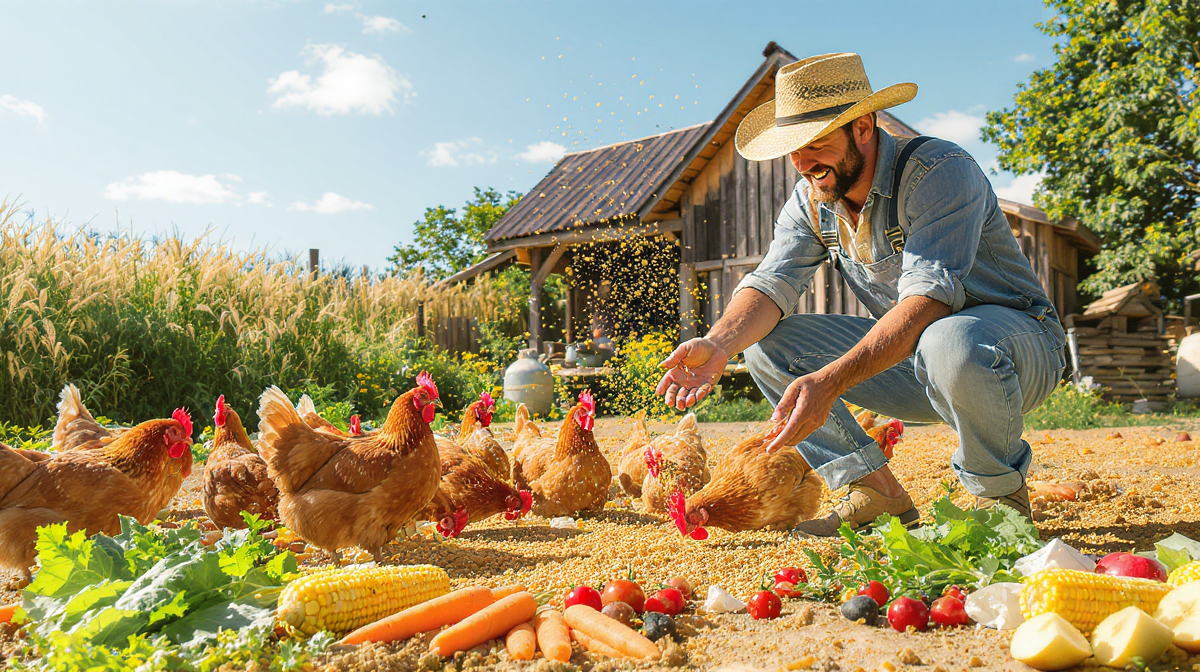
- 🌳 Encourage foraging: Well-planned free-ranging not only cuts feed costs but also provides essential nutrients and exercise, contributing to better egg quality and meat flavor.
- ⚖️ Identify cockerels early: Processing males around 16-20 weeks ensures optimum meat quality without wasting feed on non-productive birds.
- 🛡️ Health management: Routine vaccination, parasite control, and shelter maintenance keep flock vitality high and production stable.
- 🤱 Utilize broodiness: If your breed is broody, allow hens to hatch chicks to renew your flock cost-effectively and naturally.
One family shared how adopting a mixed flock of Buff Orpington hens and Rhode Island Red cockerels for meat allowed them to enjoy fresh eggs all year and homegrown chicken for special dinners. They appreciated that these breeds were hardy and content foraging in their backyard, requiring fewer supplements and less fuss.
Caring for Dual Purpose Chickens in Different Climates and Settings
Choosing a breed that aligns with your local climate and managing their environment is vital for thriving flocks. Some breeds excel in colder temperatures due to feather density and body mass, while others handle heat better with comb type and feathering pattern.
For instance, Brahmas and Jersey Giants are known for exceptional cold hardiness thanks to feathered legs and heavy body weight, making them top candidates in northern climates. In contrast, Rhode Island Reds and Leghorn-type birds manage heat efficiently with their lean bodies and smaller combs reducing heat absorption.
Housing also plays a pivotal role. Proper ventilation and sunshine ensure chickens have a stress-free environment. A predator-safe, dry, and clean coop helps minimize diseases and maximizes egg production. Pasture rotation can reduce parasite build-up in free-ranging systems.
Broody hens deserve special attention. They not only hatch future flocks but often benefit from quiet, safe areas away from the busy chicken yard. Providing nesting boxes and soft bedding contributes positively to their success.
Implementing seasonal care strategies ensures your dual-purpose breeds remain productive throughout the year. In cold months, extra bedding, supplemental heat, and fortified feed help maintain energy and warmth. During hot seasons, shade, fresh water, and cooling techniques like misters keep birds comfortable, preserving their laying rhythm and growth rates.
Understanding the unique needs of your chosen breeds tailored to your environment boosts flock health and longevity. When birds are comfortable and nurtured properly, their natural abilities to provide both eggs and meat are maximized — a win-win for sustainable homesteaders seeking a simple yet productive lifestyle.
Benefits of Heritage Breeds in Dual Purpose Poultry Farming
Heritage poultry breeds are gaining renewed recognition among homesteaders passionate about longevity, sustainability, and high-quality food production. These birds embody traditional traits valued by early farmers: strong maternal instincts, natural foraging ability, disease resilience, and balanced egg and meat production.
Raising heritage dual-purpose chickens is like cultivating a living link to agrarian history and biodiversity. Their slower growth rates produce more flavorful, nutrient-dense chicken meat, while their steady egg production keeps daily meals enriched with farm-fresh nutrition. Homesteaders cherish that these birds adapt well to local conditions and free-range environments, often outperforming industrial hybrids in hardiness and ease of care.
These breeds commonly require fewer veterinary interventions and thrive on pasture alone or with modest supplemental feeding — crucial aspects for anyone dedicated to frugal living and a resilient backyard chicken flock. Many breed associations and conservation groups actively promote heritage chickens in 2025, encouraging farmers and hobbyists to maintain genetic diversity and return to sustainable poultry farming methods.
By weaving heritage breeds into their flocks, homesteaders pass on traditions of stewardship, self-sufficiency, and culinary excellence. The added bonus of having breeds that are naturally broody supports flock replenishment without reliance on external hatcheries or incubators, cutting costs and nurturing flock identity.
- 🥚 Reliable year-round egg laying suited to the family table
- 🍗 Dual harvest from meat production adds diversity to diet
- 🌿 Enhanced foraging ability means reduced feed expenses
- 🏡 Toughness and temperature hardiness allow for varied climates
- 🤱 Natural broodiness supports sustainable flock growth
- 🌎 Maintains heritage breeds ensuring biodiversity preservation
What defines a dual purpose chicken breed?
Dual purpose chicken breeds are those that provide both a reasonable amount of eggs and a good size of meat, making them ideal for homesteads aiming for efficient and sustainable meat and egg production.
Why choose heritage dual purpose chicken breeds?
Heritage dual purpose breeds offer natural resilience, better foraging skills, and balanced productivity. They are well-suited to free-range conditions and contribute to genetic biodiversity and sustainable farming practices.
How long does it take dual purpose chickens to reach processing weight?
Unlike commercial broilers, dual purpose chickens typically take between 16 to 24 weeks to reach optimum processing weight, depending on the breed and feeding conditions.
Can dual purpose chickens free range effectively?
Many dual purpose breeds have excellent foraging abilities, which allows them to thrive in free-ranging environments. This not only improves their diet but also reduces feed costs for the homesteader.
Is broodiness important in dual purpose breeds?
Yes, broodiness is valuable for homesteaders who want to hatch their own chicks naturally, replenishing their flock without relying on incubators or external hatcheries.