Content
- 1 Understanding the edibility and safety of acorn squash skin
- 2 The nutritional benefits of eating acorn squash skin
- 3 Expert tips to prepare acorn squash skin for delicious meals
- 4 Creative acorn squash recipes that celebrate edible skin
- 5 Advanced culinary insights and health considerations for acorn squash skin
As autumn’s chill settles in, the warm embrace of winter squashes like the acorn squash calls to kitchens everywhere. This beloved gourd, known for its charming acorn shape and vibrant orange flesh, elicits curiosity beyond its flavors. Many wonder, “Can you eat the skin of an acorn squash?” This question is more than culinary—it ties into nutrition, texture, and sustainable cooking. Discarding the peel may feel like waste, but is it truly edible or safe? Exploring the ins and outs of eating squash skin offers surprising insights not only about taste but about maximizing the health benefits of this seasonal favorite. Get ready to unlock hidden gems within the humble squash peel and transform how you approach cooking acorn squash in 2025’s kitchens.
In brief: 🍂
- Acorn squash skin is not only edible but a powerhouse of fiber and antioxidants. 🌿
- Proper preparing acorn squash techniques make the skin tender and delicious. 🔪
- Risks such as pesticide residue can be mitigated by thorough washing and choosing organic produce. 🍽️
- Leaving the skin adds significant squash nutrition, including vitamins A, C, potassium, and manganese. 💪
- Creative acorn squash recipes can incorporate the skin for enhanced texture and flavor. 🍽️
Understanding the edibility and safety of acorn squash skin
The quest to determine whether acorn squash skin is safe to eat is an important first step before embracing it in your meals. Technically, this dark green, slightly bumpy rind is edible skin. Unlike tougher winter squashes such as butternut or Hubbard, the acorn squash’s outer layer softens nicely with proper cooking methods like roasting or baking. Many cooks prefer to leave the skin intact, appreciating the added texture and reduced prep time.
Is acorn squash skin safe to eat? Absolutely, with some precautions. The skin is not toxic or harmful; in fact, it contains nutrients critical for health. However, potential concerns include pesticide residues common in conventionally farmed vegetables. To safeguard against this, washing the squash thoroughly under cold running water is essential. Using a vegetable brush to scrub the skin helps remove surface contaminants. If pesticides remain a worry, organic or locally grown acorn squash are preferable choices.
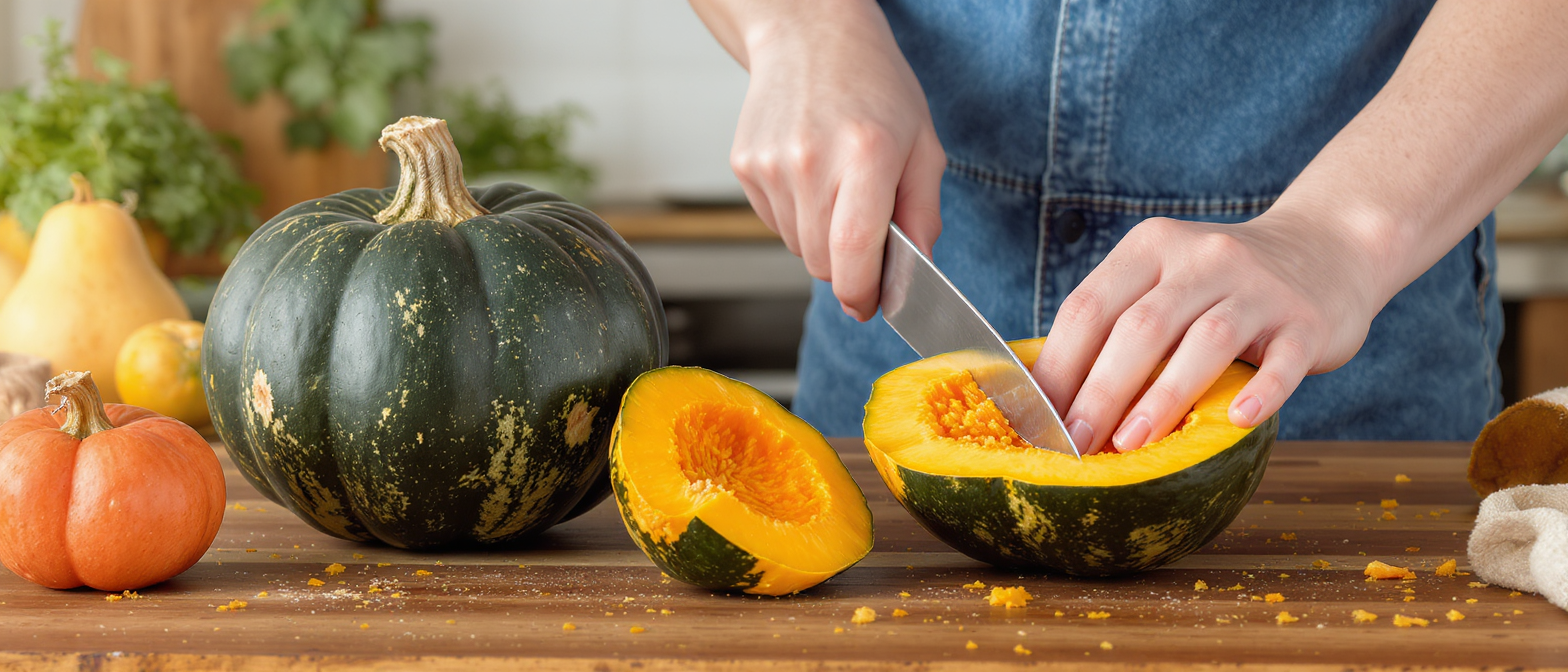
Handling considerations are also important. The rough, ridged surface of the acorn squash’s peel can be tough to cut safely. Using a stable chopping board, a sharp knife, and trimming the ends before halving the squash prevents accidents during preparation. For those with sensitive digestion, removing the skin might be an option since it can be fibrous and chewy if undercooked.
- 🧽 Always scrub your acorn squash thoroughly before cooking.
- 🛡️ Choose organic or local sources when possible to minimize chemical exposure.
- 🔪 Use proper cutting techniques to avoid injury on the tough skin.
- 🔥 Cook squash skin thoroughly to ensure tenderness.
- 🧊 Store peeled or cooked squash properly to maintain freshness.
| Safety Factor 🍴 | Tip for Safe Consumption |
|---|---|
| Potential pesticide residue | Thorough washing and choosing organic squash |
| Rough texture and risk of injury | Use sharp knife, stable surface, and gentle peeling |
| Digestive sensitivity | Cook well and start with smaller portions |
| Foodborne bacteria | Cook squash until at least 165°F (74°C) |
The nutritional benefits of eating acorn squash skin
Eating the squash skin is far from merely a matter of taste or texture—it is a meaningful way to boost your nutrient intake. The skin of acorn squash is a dense source of fiber, antioxidants, and essential vitamins and minerals that support overall health as we head into the colder months.
Dietary fiber is one of the most abundant nutrients in the skin. With approximately 4 grams of fiber per cooked cup of acorn squash skin, it contributes significantly to digestive health by promoting regularity and supporting a balanced gut microbiome. Fiber also helps regulate blood sugar levels and can induce a feeling of fullness, beneficial for weight management.
Vitamins and minerals in the skin offer additional health perks. Important contributors include:
- 🌟 Vitamin A: Supports immune function, skin integrity, and eye health.
- 🍊 Vitamin C: Acts as a potent antioxidant that aids immune responses and collagen production.
- ⚡ Potassium: Regulates fluid balance, muscle contractions, and heart function.
- 🧬 Manganese: Supports metabolism and antioxidant defenses.
| Nutrient 🥕 | Amount per 1 cup cooked skin | Health Benefit 🌱 |
|---|---|---|
| Dietary Fiber | 4 g | Digestive health, blood sugar regulation |
| Vitamin A | 10% DV | Vision, immune support |
| Vitamin C | 20% DV | Antioxidant, immune function |
| Potassium | 10% DV | Heart health, fluid balance |
| Manganese | 10% DV | Metabolism, antioxidant enzyme activation |
Antioxidants found in the skin—including carotenoids and phenolic compounds—help mitigate the effects of oxidative stress which is linked to aging and chronic diseases such as cardiovascular conditions and cancer. Beta-carotene, abundant in the peel, converts into vitamin A in the body and offers added immune defense and eye health benefits.
Keeping the skin not only amplifies the nutritional intake but also supports a more sustainable kitchen practice by reducing food waste. Instead of peeling away these valuable nutrients, embracing the whole squash is a practical step forward for health-conscious families aiming for frugal living and resilient wellness.
Expert tips to prepare acorn squash skin for delicious meals
With health benefits established, the next focus is on how to prepare and cook the skin so it is enjoyable and safe. Handling acorn squash skin correctly elevates the dish and retains all its nutritional goodness.
Washing and cleaning are the first essential steps. Even if the squash is organic, scrubbing the surface helps minimize dirt and potential pesticide residue. A vegetable brush under running water gently cleans the grooves and ridges of the skin.
Cooking techniques that soften the skin include:
- 🔥 Roasting: Cut into halves or wedges, coat with oil and seasoning, roast at 400°F (~200°C) for 40-60 minutes until the skin is tender and slightly caramelized.
- 🍲 Baking: Bake halves covered or uncovered at 375°F (190°C) for 50-70 minutes for a uniform soft texture.
- 💨 Steaming: Particularly with cubed squash, steaming for 15-25 minutes softens the skin thoroughly, though it may lack crispness.
Lightly scoring the skin before roasting can help heat penetrate more evenly. Applying olive oil or melted butter aids browning and flavor. Seasonings like sage, garlic powder, cinnamon, or nutmeg enhance both skin and flesh, shifting possible slight earthiness into layers of flavor.
Cutting safely the tough rind is important to prevent accidents:
- 🔪 Stabilize the squash on a non-slip surface to prevent rolling.
- 🎯 Use a sharp, heavy knife and slice off flat ends for balance.
- ✂️ Pierce and halve the squash slowly, watching your fingers.
- 🥄 Scoop out seeds before cooking.
| Cooking Method 🍳 | Preparation Tips 🍴 | Temperature and Time ⏰ | Resulting Texture 😋 |
|---|---|---|---|
| Roasting | Halves or wedges brushed with oil and seasoning | 400°F / 45-60 min | Tender skin with caramelized edges, slight crispness |
| Baking | Halves, covered or uncovered | 375°F / 50-70 min | uniformly soft and tender |
| Steaming | Cubed pieces | Steam for 15-25 min | Very soft but less crisp |
Mastering these methods ensures the pronounced fiber in the skin breaks down, yielding an enjoyable bite and heightened squash nutrition. Incorporating skin also contributes to a zero-waste lifestyle, a key principle for anyone passionate about sustainable, frugal living.
Creative acorn squash recipes that celebrate edible skin
Once the virtues of acorn squash skin are understood and prepared properly, it unlocks a world of creative cooking possibilities. Appreciating the peel’s texture and taste leads to inventive dishes that blend comfort and nutrition. Here are some delightful recipes to inspire:
- 🍁 Roasted Acorn Squash with Sage and Parmesan: Toss the peel and flesh with olive oil, fresh sage, and grated Parmesan cheese, then roast until golden and crisp. The cheese adds savory richness, complementing the nutty squash flesh and tender skin.
- 🍎 Acorn Squash and Apple Soup: Sauté chopped squash (skin on) with onions and garlic, add apple cider and broth, then purée until silky. The skin enhances fiber content while layering a subtle earthiness beneath the sweet, crisp apple notes. For a creamy twist, add a splash of cream or coconut milk. For inspiration, explore a creamy butternut soup recipe that shares texture tips and preparation ideas at Creamy butternut soup.
- 🥗 Stuffed Squash Bowls: Roast halved squash until skin is tender, then fill with grains like quinoa, sautéed vegetables, nuts, and herbs. The edible shell forms a natural, flavorful bowl that’s both practical and beautiful.
- 🔥 Spiced Squash Wedges: Cut into wedges and toss with cumin, chili powder, and a drizzle of maple syrup. Roast until caramelized and the skin turns crisp. Perfect for a sweet and savory snack or side.
Your kitchen creativity can extend beyond traditional uses. Try grilling whole acorn squash for smoky flavors, or dice the skin and flesh together for hearty hashes. When experimenting, seasoning combinations like rosemary, garlic, cinnamon, or nutmeg open exciting flavor profiles.
Enjoying the skin also aligns perfectly with modern approaches to sustainability and mindful eating, reducing waste while enhancing the taste and health benefits of your meals.
Advanced culinary insights and health considerations for acorn squash skin
While most individuals can safely enjoy eating squash skin, some health considerations warrant attention. The high fiber content can be a double-edged sword for people with certain digestive issues such as irritable bowel syndrome (IBS), diverticulitis, or Crohn’s disease. In these cases, consuming the skin in large amounts could cause discomfort. Cooking the skin thoroughly to break down fiber and starting with small portions is recommended for sensitive individuals.
For those with weakened immune systems or taking immunosuppressive medications, food safety during preparation becomes essential. Ensuring the squash is cooked to a recommended internal temperature of 165°F (74°C) prevents potential bacteria-related illnesses.
Comparing the acorn squash skin with other winter squashes provides helpful perspective. Varieties like butternut or spaghetti squash usually have tough, fibrous skins best removed before cooking. In contrast, acorn squash skin is thinner and becomes soft with heat, placing it among the more palatable edible skins of winter squashes, alongside delicata and kabocha.
| Squash Variety 🍠 | Skin Texture | Edibility of Skin 🥄 | Cooking Recommendation 🔥 |
|---|---|---|---|
| Acorn Squash | Medium thickness, slightly bumpy | Edible when cooked thoroughly | Roast, bake, or steam for tenderness |
| Butternut Squash | Thick, smooth | Usually peeled due to toughness | Peel before cooking |
| Delicata Squash | Thin, tender | Edible skin, softens easily | Leave skin on for cooking |
| Spaghetti Squash | Thick, firm | Skin usually discarded | Scoop out flesh after cooking |
Ultimately, listening to your body and adopting flexible approaches to preparing acorn squash ensures that both taste and health remain priorities. Embracing the skin as a valuable nutrient source aligns with holistic living, frugal priorities, and kitchen ingenuity.
Is it really safe to eat acorn squash skin?
Yes! The skin of acorn squash is safe to eat when properly washed and cooked until tender. It contains valuable nutrients that complement the flesh.
How do I prepare acorn squash skin so it’s not tough or chewy?
The best methods to soften the skin are roasting, baking, or steaming thoroughly. Cooking at 375-400°F for at least 40 minutes usually yields tender results.
Are there any health benefits to eating the squash skin?
Definitely. The skin provides extra dietary fiber, antioxidants, and micronutrients such as vitamins A and C that support digestion and immune health.
Can I eat the skin of all winter squashes?
No, some squashes like butternut and spaghetti have thick or tough skins that are usually removed. Acorn and delicata have edible skins that become tender when cooked properly.
What if I don’t like the taste or texture of the skin?
It’s perfectly fine to peel the squash if you prefer. Personal taste varies, and many enjoy just the flesh while still benefiting from the rich flavors of the dish.