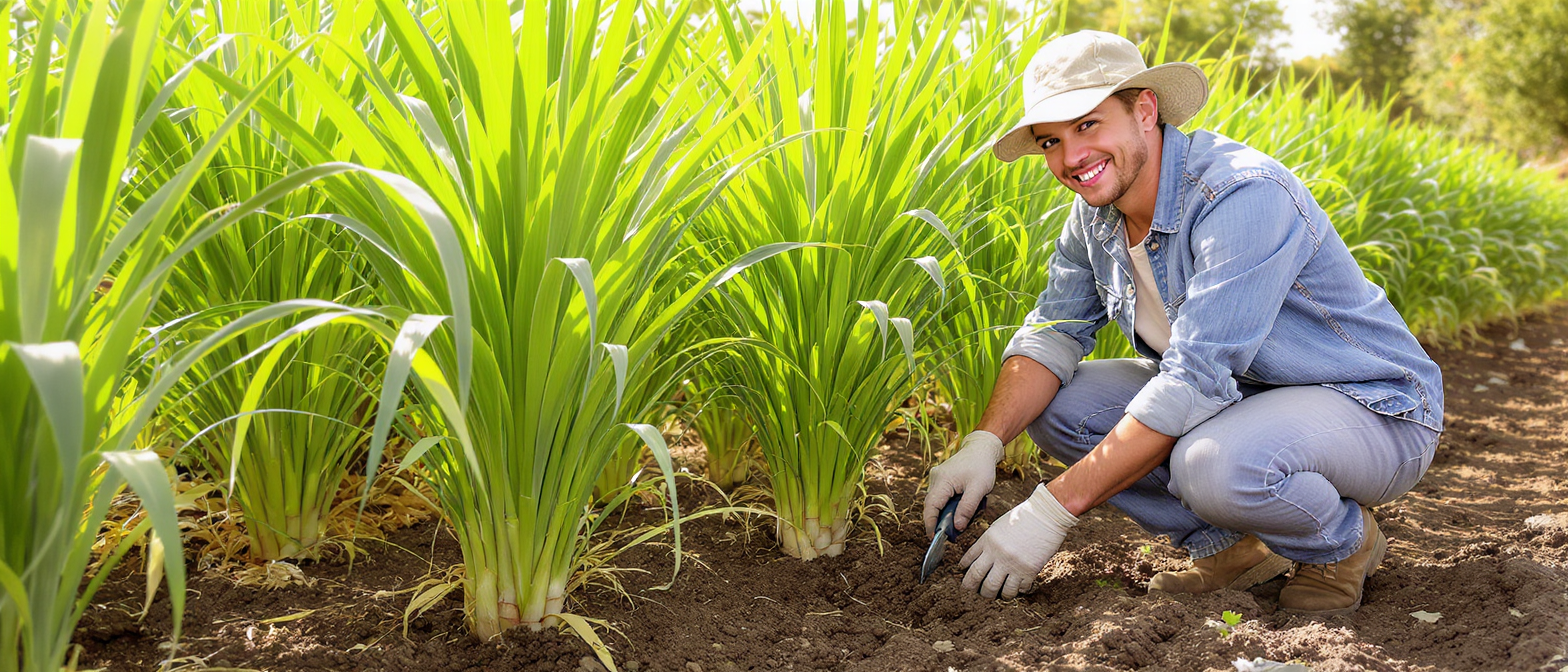
Content
- 1 Optimal planting conditions for thriving lemon grass
- 2 Step-by-step guide to watering, sunlight, and soil care for healthy lemon grass
- 3 Propagation methods: Growing lemon grass from cuttings and division
- 4 Harvesting and utilizing lemon grass for culinary and wellness benefits
- 5 Natural challenges: Managing pests and diseases in lemon grass cultivation
Embarking on the journey to cultivate lemon grass offers a unique blend of delight and practicality. This aromatic herb, with its vibrant green stalks and refreshing citrus scent, not only enhances your gardening space but also brings an invigorating flavor to your kitchen and a soothing touch to your wellness routine. From the garden patch to a sunny kitchen windowsill, growing lemon grass connects you directly with nature and a centuries-old tradition of herbal care and cooking. Whether you’re an avid gardener or a curious herb enthusiast, understanding the nuances of planting, nurturing, and harvesting this versatile plant opens up a world of sensory and healthful rewards.
In today’s climate-conscious and self-reliant lifestyle, cultivating your own herbs at home is more than a trend—it’s a practice of stewardship and frugal living. Lemon grass, belonging to the genus Cymbopogon, thrives under sunny skies and in well-drained soil, making it suitable for both outdoor plants in warmer zones and indoor plants in containers where protection from frost is essential. Its care techniques align well with sustainable gardening, requiring consistent watering, attention to sunlight levels, and mindful soil care. From choosing propagation methods like cuttings or division, to mastering the balance of moisture and nutrients, every step is manageable with right guidance and care.
Exploring this guide will illuminate the practical strategies and joyful experiences of growing lemon grass. As the plant grows slowly into summer warmth, watching it transform your space and daily habits is genuinely rewarding. Alongside its culinary magic, lemon grass carries historical significance, medicinal properties, and even a role in natural pest deterrence. This synergy of utility and beauty makes lemon grass a captivating addition to any garden sanctuary.
- 🌿 Discover essential tips on planting lemon grass for vibrant growth
- 💧 Learn how to manage watering and moisture for healthy foliage
- ☀️ Understand optimum sunlight requirements for both indoor and outdoor cultivation
- 🪴 Explore effective propagation techniques including cuttings and division
- 🛡️ Identify potential pests and diseases and how to organically protect your plants
Optimal planting conditions for thriving lemon grass
Lemon grass, scientifically identified as Cymbopogon citratus and Cymbopogon flexuosus, is a resilient herbaceous plant that flourishes when provided with specific growing conditions. Understanding and replicating these conditions in your garden or home is key to ensuring a lush, fragrant, and productive lemon grass plant. The plant prefers full sun exposure—aiming for at least 6 to 8 hours of sunlight daily—to promote vigorous growth and robust flavor development in the stalks.
When selecting a location for outdoor planting, consider soil that drains well to avoid root rot. Sandy loam enriched with organic compost is ideal, providing both fertility and structure. Soil pH should hover between 6.0 and 7.0, maintaining a slightly acidic to neutral range that enables nutrient availability. A practical tip is to test soil with a simple kit before planting, adjusting with lime or sulfur as needed to achieve optimal pH.
Container gardening is an excellent alternative if space or climate limits outdoor options. Choose a large pot with drainage holes and fill it with a potting mix tailored for herbs or citrus plants, which support lemon grass’s nutritional needs. Indoor lemon grass thrives near a bright window where it can soak up ample natural light. In drier indoor air, especially during colder months, adding humidity with a spray bottle or humidifier helps the plant flourish.
Key elements to consider for planting lemon grass:
- 🌞 Full sun exposure – 6 to 8 hours daily
- 🌱 Well-draining soil, enriched with organic compost
- 🧪 Soil pH – between 6.0 and 7.0 (adjust if necessary)
- 🪴 Space allowance – lemon grass can grow 3 to 5 feet tall and wide
- 🏠 Container option for indoor care with proper drainage and light
| Planting Aspect 🌿 | Requirement 🔎 | Tips & Notes 💡 |
|---|---|---|
| Sunlight | 6 to 8 hours direct sunlight | Choose a south or west-facing location for maximum exposure |
| Soil type | Well-drained loam with organic matter | Add compost or aged manure to improve fertility and structure |
| Soil pH | 6.0 – 7.0 (slightly acidic to neutral) | Test soil and amend if outside the range |
| Spacing | 3 to 5 feet apart to allow growth | This prevents overcrowding and improves air circulation |
| Container size | At least 12-inch diameter pot with drainage holes | Use potting mix for herbs or citrus; water thoroughly but avoid sogginess |
Delaying lemon grass planting until after the danger of frost has passed is crucial for outdoor success. This herb is frost-sensitive and thrives best in warm growing seasons. For colder regions, starting in pots indoors or purchasing young plants from nurseries ensures a healthy start.
Step-by-step guide to watering, sunlight, and soil care for healthy lemon grass
Optimal care for lemon grass balances moisture, sunlight, and soil quality to foster rapid and resilient growth. As the humid summer months arrive, lemon grass can suddenly burst into vigorous growth after a slow start in spring, responding eagerly to the right conditions.
Watering 🔄 is a critical aspect—lemon grass loves water but dislikes being waterlogged. The soil should be consistently moist, almost damp, but never soggy. Overwatering can cause root rot, while underwatering leads to yellowing leaves and stunted growth. Using mulch helps retain moisture and regulate soil temperature.
Providing about 1 inch of water per week through rainfall or irrigation is a good starting point. Container-grown lemon grass requires more frequent watering since pots dry out faster. During dry spells or indoor heating seasons, supplement watering accordingly and consider a humidity tray or room humidifier to prevent dryness.
Sunlight ☀️ ensures vigorous growth and flavorful leaves. For indoor plants, place the pot in the brightest south-facing window you have. If natural light is insufficient, consider a supplemental grow light for 8 to 12 hours daily to mimic tropical conditions. Outdoor lemon grass will benefit from the strongest daily sun to prosper.
Soil care 🌱 includes feeding the plant during the growing season. A water-soluble nitrogen fertilizer supports lush, leafy growth. Alternatively, feeding with homemade compost tea aligns perfectly with frugal living values and encourages a healthy soil biome. Periodically loosening the soil and adding organic matter will keep the root system healthy.
- 💧 Water when the top inch of soil feels dry but avoid soggy conditions
- ☀️ Position lemon grass where it receives maximum direct sunlight daily
- 🪴 Fertilize monthly in growing season with nitrogen-rich additives
- 🌾 Mulch around the base to conserve moisture and prevent weeds
- 🌿 Rotate container plants position every few days to ensure even growth
| Care Factor 💚 | Recommended Practice 📋 | Common Issues and Fixes 🛠️ |
|---|---|---|
| Watering | Keep soil moist, water 1 inch per week | Yellowing leaves = too dry; soggy soil = root rot risk; adjust watering |
| Sunlight | 6-8 hours direct sun or grow light indoors | Leggy or pale plants indicate insufficient light |
| Fertilizing | Monthly nitrogen fertilizer or compost tea | Pale leaves suggest nutrient deficiency; increase feeding |
| Soil | Well-drained, enriched periodically with organic matter | Compacted soil reduces root health; aerate and add compost |
For gardeners embracing frugal living, composting kitchen scraps to create homemade compost tea is a rewarding way to nourish lemon grass without additional costs. This practice not only promotes sustainable soil health but also aligns with a hands-on approach to gardening.
Propagation methods: Growing lemon grass from cuttings and division
One of the appealing aspects of lemon grass is its ease of propagation, making it a perfect herb for both beginners and seasoned gardeners aiming to multiply their plants economically. Instead of purchasing new seedlings for each season, gardeners can multiply their existing plants by either stem cuttings or division, techniques that foster resilient plants and embody self-sufficiency principles.
Stem cuttings 🪴 offer a straightforward approach. In late fall or early spring, take healthy stalks about 6 inches long from a mature lemon grass plant. Trim the lower leaves and place the base of each cutting in a glass of water to encourage root development. Roots typically form within a week or two.
Once roots appear, pot up the cuttings in well-draining soil and keep them indoors or in a greenhouse environment until they are sturdy enough for outdoor planting after frost danger passes. This technique ensures a continuous supply of fresh lemon grass while recycling existing plant material!
Division 🔄 is another efficient method, ideal if you have an established lemon grass clump. Carefully dig around the base and gently separate the root ball into smaller sections using your hands or a clean knife. Each division should have a good portion of roots and stalks to thrive.
Replant divisions in prepared soil or containers spaced sufficiently apart to allow for full growth. Water thoroughly after transplanting, and keep the soil moist for the first few weeks while the divisions establish.
- ✂️ Take cuttings 6 inches long with several leaves removed at base
- 💧 Place cuttings in water until roots form, about 7-14 days
- 🪴 Pot cuttings into rich, well-draining soil to nurture growth
- 🔪 For division, split mature plants carefully ensuring root and stalk presence
- 🌿 Space new plants 3 feet apart outdoors or ample space in containers
| Propagation Method 🌱 | Steps 🛠️ | Benefits 🌟 |
|---|---|---|
| Stem Cuttings | Cut stalks → trim leaves → root in water → pot up | Cost-effective, continuous plant supply, easy indoors |
| Division | Dig mature clump → separate roots → replant sections | Rapid multiplication, shares nutrients, strong plants |
Many gardeners delight in sharing cuttings with friends or neighbors, fostering community connections and expanding homegrown supplies. Propagation not only cuts costs but also deepens the gardener’s bond with the plant and its lifecycle.
Harvesting and utilizing lemon grass for culinary and wellness benefits
Harvesting lemon grass is an eagerly awaited moment when the fruits of patient care yield fragrant stalks ready for culinary magic or home remedies. The stalk base, where the intense lemon flavor concentrates, should be about half an inch thick and the plant typically reaches maturity at 12 to 18 inches tall before harvesting. Harvesting too soon results in weak flavor, while waiting too long might cause toughness.
Begin by selecting an outer stalk. Gently push it aside and either twist or cut at the base with a sharp knife. Carefully peel away the tough outer layers to reveal the tender core usable in cooking or teas. If left unharvested, lemon grass continues to grow, providing an ongoing supply during warm seasons.
In the kitchen, lemon grass’s citrusy and slightly gingery flavor enhances soups, curries, and sauces. Crushing or bruising stalks before adding them to broths releases more fragrance. For tea, simmer pieces of stalk and leaves for 15 minutes, allowing the healing aroma to infuse the water. This tea is known for its calming effects and digestive aid.
The herb also finds its way into homemade soaps and candles, where its invigorating scent transforms everyday products into aromatic indulgences. Additionally, braided lemon grass wreaths make charming gifts that blend practicality and beauty.
- 🍜 Use fresh peeled stalks to flavor Asian-inspired dishes
- 🍵 Steep bruised stalks in hot water to make soothing tea
- 🕯️ Infuse homemade candles or soaps with lemon grass oil for fragrance
- 🎁 Create decorative braids or wreaths for gifts
- ⚠️ Handle leaves with gloves as edges can be sharp
| Harvest Factor ✂️ | Best Practice ✔️ | Uses 🍽️ |
|---|---|---|
| When to harvest | 12-18 inches tall, base ~½ inch thick | Strong citrus flavor, tender core for culinary use |
| Peeling | Remove tough outer layers before use | Access tender stalk, avoid fibrous texture in dishes |
| Cooking uses | Add bruised stalks to soups, stews, and curries | Enhances flavor with lemony and ginger notes |
| Tea preparation | Simmer stalks and leaves for 15 minutes, steep extra 10 | Calming and digestive benefits |
| Craft uses | Braid stalks or infuse oils for soaps and candles | Creates aromatic household products and gifts |
Always harvest lemon grass ahead of the first expected frost if you live in areas with cold winters, bringing potted plants indoors to continue growing. This practice extends the life of your lemon grass plant and ensures fresh supplies throughout the year.
Natural challenges: Managing pests and diseases in lemon grass cultivation
Growing lemon grass is generally a low-maintenance endeavor, but attention to natural threats is valuable to maintain plant health and vigor. Outdoor lemon grass tends to resist many pests due to its aromatic oils, yet occasional challenges do arise.
Rust disease, a fungal infection, occasionally targets lemon grass leaves causing orange or yellow spots and premature leaf drop. Interestingly, the East-Indian species (C. flexuosus) exhibits higher resistance compared to West-Indian (C. citratus), a consideration when selecting varieties for planting. Rust infections can be prevented by ensuring good air circulation and avoiding overhead watering.
Spider mites are a more common indoor plant concern. These tiny pests create fine webbing and cause speckled leaf damage. Regularly misting indoor lemon grass and wiping leaves helps prevent infestations. Natural predators like ladybugs can also be introduced in greenhouse setups to maintain a balanced ecosystem.
Beyond pests, environmental stresses such as prolonged drought, waterlogged soil, or inadequate light can weaken plants, making them more vulnerable to disease. Ensuring balanced watering, sufficient sunlight, and proper soil care is the best preventive strategy.
- 🐞 Regularly inspect plants for rust spots or mite webs
- 🚿 Avoid overhead watering to reduce fungal issues
- 💧 Maintain appropriate soil moisture, no waterlogging
- 🌿 Provide good airflow and sunlight to strengthen plant defenses
- 🐞 Introduce beneficial insects when managing indoor pests
| Challenge 🐛 | Symptoms 📉 | Management Strategies 🛡️ |
|---|---|---|
| Rust disease | Orange/yellow leaf spots, leaf drop | Use resistant varieties, avoid wet foliage, good airflow |
| Spider mites | Webbing, speckled discolored leaves | Mist leaves, clean regularly, introduce predators |
| Water imbalance | Wilting or yellow leaves | Adjust watering frequency, improve drainage |
Can lemon grass be grown indoors year-round?
Yes, lemon grass thrives indoors if it receives 6 to 8 hours of bright sunlight daily, and if humidity and watering needs are managed carefully.
What is the easiest way to propagate lemon grass?
Propagation from stem cuttings placed in water until roots form is the easiest and most successful method for home gardeners.
How often should lemon grass be watered?
Water lemon grass when the top inch of soil is dry, keeping it consistently moist but never waterlogged.
Are there any pests or diseases common to lemon grass?
While generally hardy, lemon grass can face issues from rust disease and spider mites; prevention includes good airflow, avoiding wet foliage, and monitoring for pests.
What are some culinary uses of lemon grass?
Lemon grass is popular in Asian cooking for soups, curries, and teas where its lemony, ginger flavor adds refreshing zest.