Content
- 1 Optimizing chicken coop insulation and ventilation for winter poultry shelter
- 2 Implementing the deep litter method: natural heating for chickens through composting bedding
- 3 DIY chicken warmer ideas and natural heat retention techniques beyond insulation
- 4 Essential cold weather poultry tips: managing water, food, and roosting for winter comfort
- 5 Key comparisons for winter chicken care methods and traditional versus modern options
Keeping chickens warm through the cold winter months is a challenge many poultry enthusiasts face, especially when reliance on electricity isn’t an option. In many areas where temperatures plunge well below freezing, chicken coop insulation and thoughtful winter poultry shelter design become critical factors to protect flocks from frostbite, illness, and stress during harsh weather. Rather than turning to electrical heating solutions, which can be costly and pose safety risks, raising healthy, warm chickens naturally is both an age-old tradition and a practical pursuit for sustainable homesteading.
A deep understanding of chicken behavior, their environment, and leveraging natural heating for chickens ensures their comfort without compromising safety. Non-electric chicken warming techniques emphasize draft prevention, moisture control, and effective use of body heat—all essentials of proper winter chicken care. Moreover, these methods align with frugal living values and environmental stewardship, reducing dependency on energy sources.
This article unfolds practical, DIY chicken warmer strategies and cold weather poultry tips to equip chicken keepers with everything necessary for poultry winter protection—optimizing warmth retention in winter poultry shelter without electricity.
En bref: Essential points for non-electric chicken warmth 🐔❄️
- 🧱 Effective chicken coop insulation cuts heat loss and guards against variegated temperature drops.
- 🌬️ Seal drafts but maintain crucial ventilation to keep fresh air flowing and moisture low.
- 🍂 Deep litter method generates natural heat through composting bedding materials.
- ☀️ Maximize sunlight exposure on coop by strategic positioning and window use for passive warmth.
- 💪 Coop size matters: compact space conserves collective body heat better.
- 🥚 Supplement warm, energy-dense feed to bolster bird metabolism during cold spells.
- 🔥 Traditional heat retention hacks: heated rocks, thermal mass, and windbreaks help retain warmth naturally.
Optimizing chicken coop insulation and ventilation for winter poultry shelter
One cannot overstate the importance of chicken coop insulation when aiming to keep chickens warm naturally. Insulation acts as a barrier, limiting heat escape and shielding birds from cold winds. Materials such as straw, hay, wood shavings, or even recycled denim can be employed inside the walls and roof of the coop. A well-insulated coop is especially critical in cold climates where temperatures plunge below zero, as it helps maintain a consistent internal temperature that closely aligns with the birds’ comfort threshold.
When improving insulation, sealing any gaps, holes, or cracks in the coop structure is pivotal. Drafts cause heat to dissipate rapidly and create “wind chill” zones inside the shelter that can stress or injure the flock. Pay special attention to windows, doors, and roosting areas where chickens rest at night. Even a small opening can turn a cozy coop into an icy chamber if left unaddressed. For sealing, alternatives like caulking, foam tape, or even sturdy plastic sheeting can be used sustainably.
At the same time, ventilation must not be compromised. While it might seem counterintuitive to let in cold air, adequate airflow prevents moisture buildup and stagnant ammonia gases, reducing the risk of respiratory illnesses and frostbite. A small opening placed near the roofline on opposite walls, covered with hardware cloth for predator protection and equipped with adjustable coverings, strikes a perfect balance. This setup maintains air circulation without creating direct drafts on the flock.
Keeping moisture levels in check is essential as damp conditions exacerbate cold stress and can promote mold growth. Regular coop litter maintenance, combined with proper ventilation, safeguards against these hazards and contributes to overall winter chicken care.
Examples in practice: In zones like 5 or colder, where winter nights can fall into the negative digits, insulated coops with fitted draft blockers often allow chickens to maintain their body temperatures comfortably without supplemental heating. In one homestead where winters frequently drop below -10°C (14°F), covering windows with thick clear plastic sheeting has extended daytime warmth deep into the night, minimizing thermal fluctuations.
Implementing the deep litter method: natural heating for chickens through composting bedding
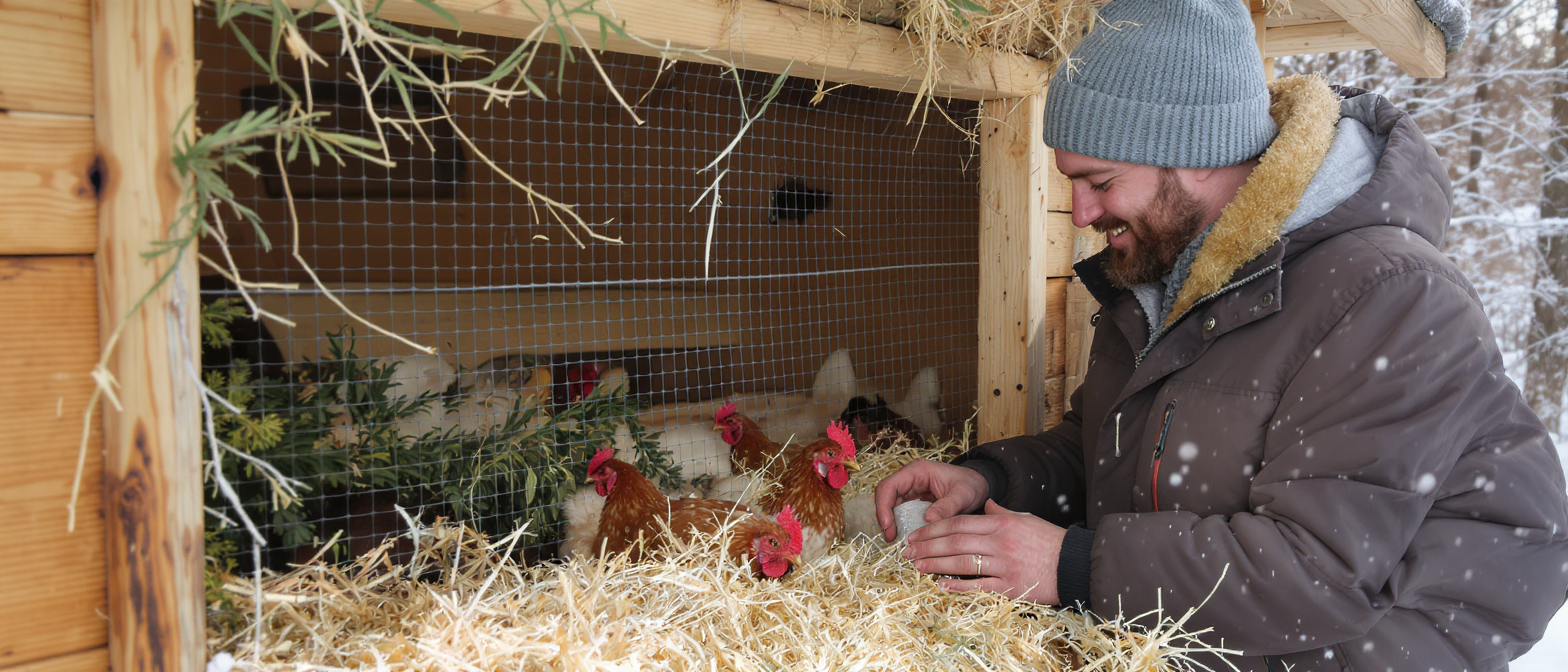
One of the most ingenious non-electric chicken warming strategies is the deep litter method. This technique involves allowing bedding materials such as wood shavings, straw, or leaves to accumulate and compost slowly inside the coop. As the material breaks down, microbial activity generates heat naturally, creating a warm underlayer for the chickens during chilly months.
The deep litter method serves a dual purpose: by generating warmth and improving flock health through the reduction of ammonia odors and moisture. Over time, the bedding acts as a natural heater—especially effective in a well-insulated coop. Turning the litter periodically to aerate it ensures optimal decomposition and heat production.
Properly executed, this method reduces the need for added heating and enhances poultry winter protection. It is important, however, to regularly remove any wet or soiled sections of the litter to avoid health problems and keep chickens dry and cozy.
Farmers practicing this method have found it extends heat retention overnight, keeping roosts above freezing temperature even during prolonged cold spells. When combined with dry litter practices, this technique supports the flock’s welfare naturally, reducing stress and frostbite risk.
Additionally, due to this composting process, chickens benefit from improved air quality and lower ammonia, resulting in fewer respiratory problems throughout winter. The deep litter method is one of the few sustainable ways to balance insulation, warmth, and hygiene simultaneously.
DIY chicken warmer ideas and natural heat retention techniques beyond insulation
Beyond insulation and microbial heat, several resourceful DIY chicken warmer solutions offer practical, electricity-free warmth for flocks. These time-tested methods embrace thermal mass principles, insulation, and natural body heat retention:
- 🔥 Heated bricks or rocks: Heated during the day by sunlight or in a conventional oven, these retain and slowly release heat at night. Wrapped gently in cloth to prevent burns, they act as localized warmth sources inside the coop.
- 🌞 Maximize sunlight exposure: Orient the coop to receive direct winter sun on one side, allowing solar energy to passively warm the interior. Clear plastic covered windows improve this effect, adding light without chill.
- 💨 Windbreaks and barriers: Using bales of hay, shrubbery, or wooden panels placed around the coop’s windward side reduces cold drafts significantly, thus helping maintain more stable internal temperatures.
- 🐔 Compact coop design or selective room partitioning: Smaller coop spaces are easier to heat using body warmth. Sections of a larger coop can be closed off temporarily to reduce empty volume and concentrate heat around the flock.
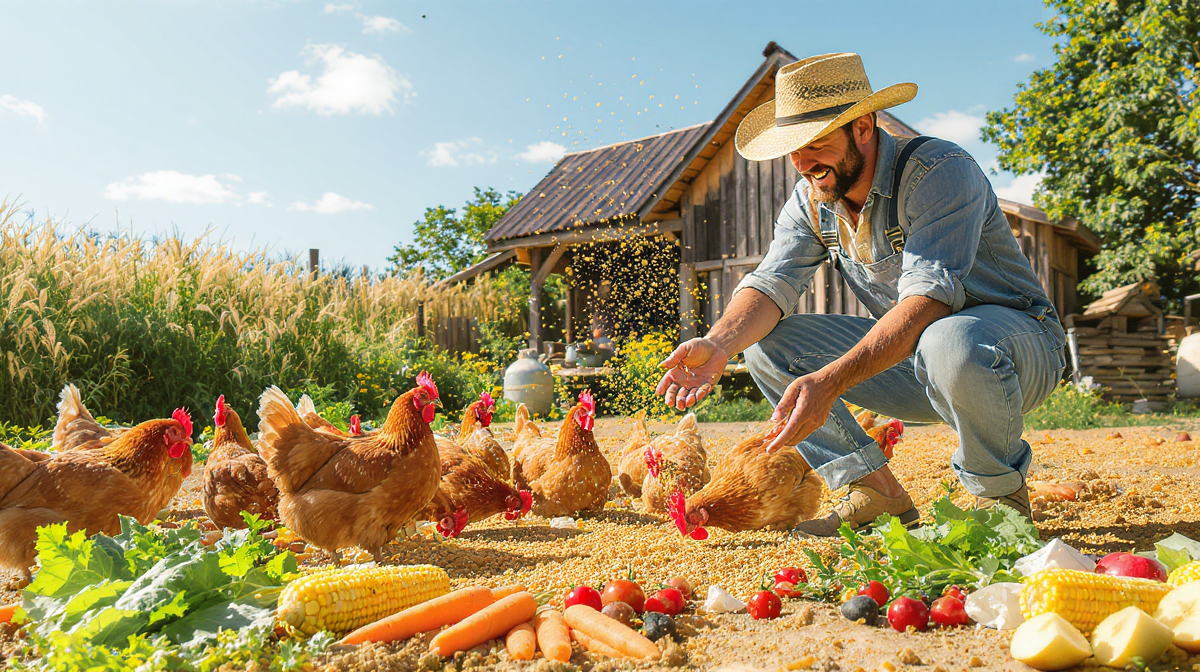
- 🥚 Provide warming feed options: Feeding high-energy treats such as cracked corn or sunflower seeds in the evening gives chickens extra calories to generate body heat during cold nights.
A homesteader in New England shares how, after closing part of her oversized coop with plywood during winter months, her Rhode Island Reds thrived without supplemental heat. The flock huddling closer together produced sufficient warmth, showcasing how coop size and internal division improve chicken heat retention.
Choosing cold-hardy breeds noted on sites like Conservative Chronicle also aids in managing flock resilience during winter. Buff Orpingtons and Rhode Island Reds, for example, are praised for enduring low temperatures with minimal intervention.
Essential cold weather poultry tips: managing water, food, and roosting for winter comfort
Maintaining warm, fresh water and nutrition is integral to winter chicken care and an often overlooked aspect of poultry winter protection. Water bowls often freeze quickly; to combat this without electricity, water containers can be positioned in sheltered areas or insulated using DIY warm boxes constructed from salvaged materials.
Providing warm treats such as cracked grains helps elevate bird metabolism, naturally producing internal heat. Although warming up feed is beneficial, it should complement rather than replace a balanced diet. Hydration with unfrozen water also prevents the chilling effect cold water imposes when ingested.
Proper roosting conditions dramatically influence warmth retention at night. Since heat rises, roosts placed higher in the coop optimize natural body heat use. Flat, wide roosts resembling 2×4 planks allow chickens to cover their feet with feathers effectively, reducing frostbite risk. Ensuring enough roosting space prevents overcrowding, while encouraging birds to huddle closely during cold spells maximizes collective warmth.
Keeping bedding dry prevents moisture-related cold stress. Damp litter can cause chilling and health issues. Regular replenishment of straw or shavings combined with diligent coop cleaning ensures a hygienic, warm environment.
Monitoring chicken health vigilantly for cold-related ailments, such as frostbite on combs and wattles, ensures prompt intervention. Applying protective balms or petroleum jelly to vulnerable exposed tissues offers additional protection from winter’s harsh bite.
For more guidance on egg care during winter, this resource offers valuable insights into preserving egg quality under cold conditions.
Key comparisons for winter chicken care methods and traditional versus modern options
| ✅ Method | 🌟 Benefit | ⚠️ Caution |
|---|---|---|
| Chicken coop insulation | Maintains consistent internal temperature; reduces heat loss ❄️ | Requires proper ventilation to avoid moisture buildup 💧 |
| Deep litter method | Natural heat production; reduces odors; promotes hygiene 🍂 | Needs occasional aeration; occasional litter replacement 🧹 |
| Heated bricks/rocks | Provides safe, gradual warmth without electricity 🔥 | Must be wrapped to prevent burns; heat duration limited ⏳ |
| Windbreaks | Blocks drafts; reduces chill factor 🌬️ | Needs maintenance, positioning correct to prevailing winds 🌳 |
| Warm feed & water management | Boosts metabolism; prevents chilling from cold water 🥜 | Feed balance must be maintained; water freeze prevention tricky 💧 |
| Electric heat lamps | Immediate heat boost when needed ⚡ | Fire hazard potential; energy cost; risk of overheating 🔥 |
Can chickens survive cold winters without supplemental heating?
Yes, chickens are hardy animals well-adapted to cold. Proper coop insulation, draft prevention, and natural body heat typically suffice for their winter comfort.
What are the best breeds for cold climates?
Cold-hardy breeds like Rhode Island Reds, Buff Orpingtons, and Plymouth Rocks are excellent choices. Learn more about dual-purpose breeds here.
How do I ensure proper ventilation during winter?
Ventilation should allow moisture and ammonia to escape but avoid direct drafts. Small, elevated vents on opposite walls covered with hardware cloth are recommended.
Are heat lamps recommended for winter use?
Heat lamps can be used sparingly but present fire risks and energy costs. Many flock owners manage without them by using non-electric chicken warming methods.
How often should bedding be replaced in cold weather?
Regular checks are essential. Replace wet or soiled bedding immediately, and maintain the deep litter approach with periodic aeration to sustain heat and hygiene.