Content
Queso dip remains a quintessential element of party food and casual gatherings, appreciated for its silky texture and comforting richness. This beloved Mexican food staple, often enjoyed as a snack or appetizer, can frequently fall short when purchased from stores due to preservatives, additives, and an artificial taste profile. Crafting a homemade queso dip unlocks a richer, fresher, and more authentic flavor with a creaminess unattainable in prepackaged products. Industrial options tend to exhibit an intense yellow hue, a telltale of artificial dyes, while authentic recipes emphasize natural, milky tones that are both visually and gastronomically superior. As of 2025, savvy home cooks recognize that mastering the art of queso dip production at home is a practical indulgence, marrying simplicity with superior quality and security of ingredients.
In the context of sustainable living and frugality—a mindset increasingly vital today—investing time in creating your own recipe elevates your autonomy in the kitchen. It sidesteps unnecessary packaging waste and adds the benefit of tailoring the cheese sauce’s flavor profile and heat level to personal taste and dietary needs. This comprehensive examination introduces the essential components, methods, and considerations for making queso dip at home, guaranteeing a superior outcome that transforms ordinary gatherings into memorable events filled with genuine enjoyment.
Embracing this culinary pursuit enhances both the efficiency and the quality of your culinary repertoire. Beyond basic food preparation, it emphasizes resilience in home cooking—knowing that with a few staple ingredients and a reliable technique, exquisite cheese sauce can always be within reach. This strategic approach aligns well with contemporary living trends, where quality and preparedness intersect seamlessly.
Some key benefits of mastering homemade queso dip over its store-bought counterpart include:
- Control over ingredients: avoiding stabilizers, artificial colors, and preservatives.
- Customization: adjusting the spice profile, cheese blend, and texture.
- Freshness: superior taste and mouthfeel that only freshly melted cheese can offer.
- Cost efficiency: making queso at home is often less expensive than premium store options, especially when purchased in bulk.
- Versatility: perfect for dips, drizzles, or cooking applications like tacos and nachos.
Choosing the best cheese and ingredients for an authentic queso dip
The crucial foundation of any queso dip lies in selecting the right cheeses and supplementary ingredients. Unlike the processed cheese solids found in popular store versions, ideally the focus is on cheeses that melt smoothly and yield a velvety texture without oil separation or graininess. While processed cheeses like Velveeta provide ease of melting, they sacrifice flavor complexity and natural texture. Instead, cheeses such as pepper jack, Monterey Jack, and Oaxaca cheese are more prestigious choices recognized for their excellent meltability and mild yet distinct taste that lends a creamy consistency and signature pale white color to the dip.
Purchasing whole blocks of these cheeses and shredding them by hand is strongly recommended to maintain purity and melting quality. Pre-shredded cheese packets, though convenient, generally contain anti-caking agents that can hinder meltability and cause an undesirable grainy or lumpy texture in the final dip. These additives inhibit the necessary moisture and fat interaction vital for a smooth cheese sauce.
To augment the richness, heavy whipping cream plays an indispensable role. The fat content in heavy cream is essential to achieve a luscious mouthfeel that skim milk or low-fat dairy cannot replicate. Complementary dairy products such as sour cream and cream cheese add creamy tang and thickening, enhancing overall body and taste complexity. Each substitution or addition—from full-fat Greek yogurt as a sour cream alternative to Neufchatel cheese replacing cream cheese—can be leveraged depending on dietary considerations without compromising the dip’s integrity.
Adding a thickening agent is key for perfect consistency. Cornstarch is a pragmatic choice: combined with water into a slurry, it thickens the cheese sauce efficiently while preserving smoothness. Thickening is necessary to prevent the dip from becoming runny, especially when it cools, as natural separation risks spoiling the experience.
Spice profile customization through mild canned green chiles provides the characteristic queso flavor. For those seeking bolder heat or flavor, chipotle peppers in adobo or jarred jalapenos can be introduced, or seasonal roasted hatch chiles when available. Adjustments to spices like chili powder, cumin, or paprika enable further personalization without detracting from the cheese’s dominance.
Strategies for ingredient selection emphasize not only taste but sustainability and economic efficiency. Bulk buying, selecting locally produced cheeses, or making use of leftovers reduces waste and supports a smart lifestyle centered on practical resource management.
Step-by-step process for creating a superior queso dip at home
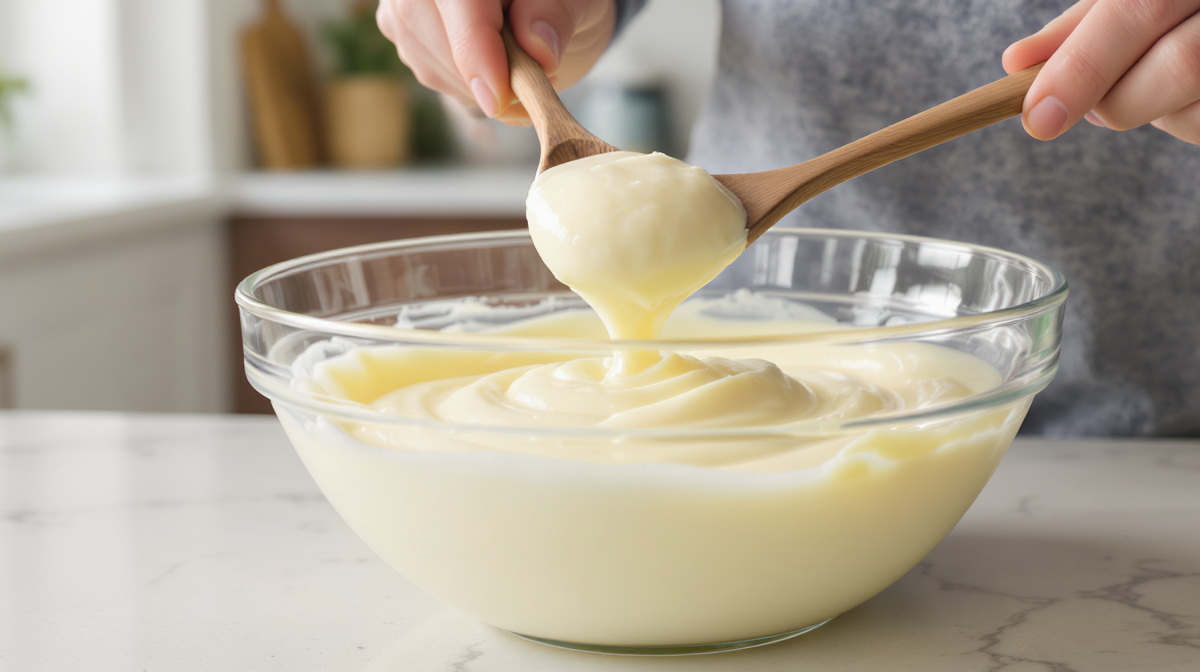
Crafting a high-quality queso dip involves specific culinary techniques designed to coax the best texture and flavor from each component. The process begins with warming the heavy whipping cream gently over medium heat. This controlled warming phase is vital to prevent scorching and prepares a creamy base by incorporating the sour cream and softened cream cheese, stirring continuously until a uniform smoothness is achieved. This careful foundation helps prevent separation later on during cheese melting.
Next, thickening agents come into play. Mixing cornstarch with water creates a slurry that, when whisked gradually into the warm dairy mixture, enables the sauce to reach a desirable thickness without clumping. This stage requires patience and constant attention—bringing the mixture to a gentle boil for approximately one minute suffices to activate the thickening effect. Adjusting cornstarch concentration tailors the sauce thickness, allowing for varying textures preferred across different applications.
The core of the queso dip—the cheese—is incorporated incrementally in small batches. Adding shredded pepper jack and Oaxaca or Monterey Jack cheese in 1/4 cup increments and stirring until each portion melts completely ensures smooth integration into the base without clumping or graininess. This measured addition reinforces the creamy texture and helps avoid overheating, a common pitfall that can result in a lumpy or greasy dip.
At this stage, diced canned green chiles and seasoning such as garlic salt are gently folded in. The gentle heat of the mixture softens these additions while preserving their distinct flavors. These small but impactful ingredients confer the iconic mild heat and depth characteristic of traditional queso dip.
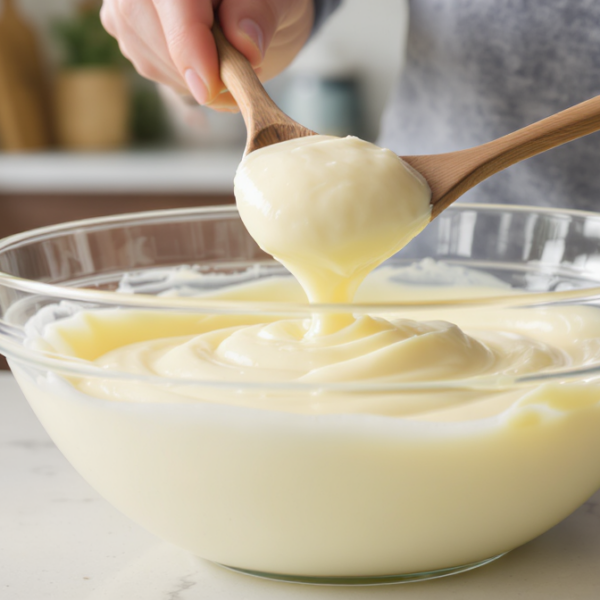
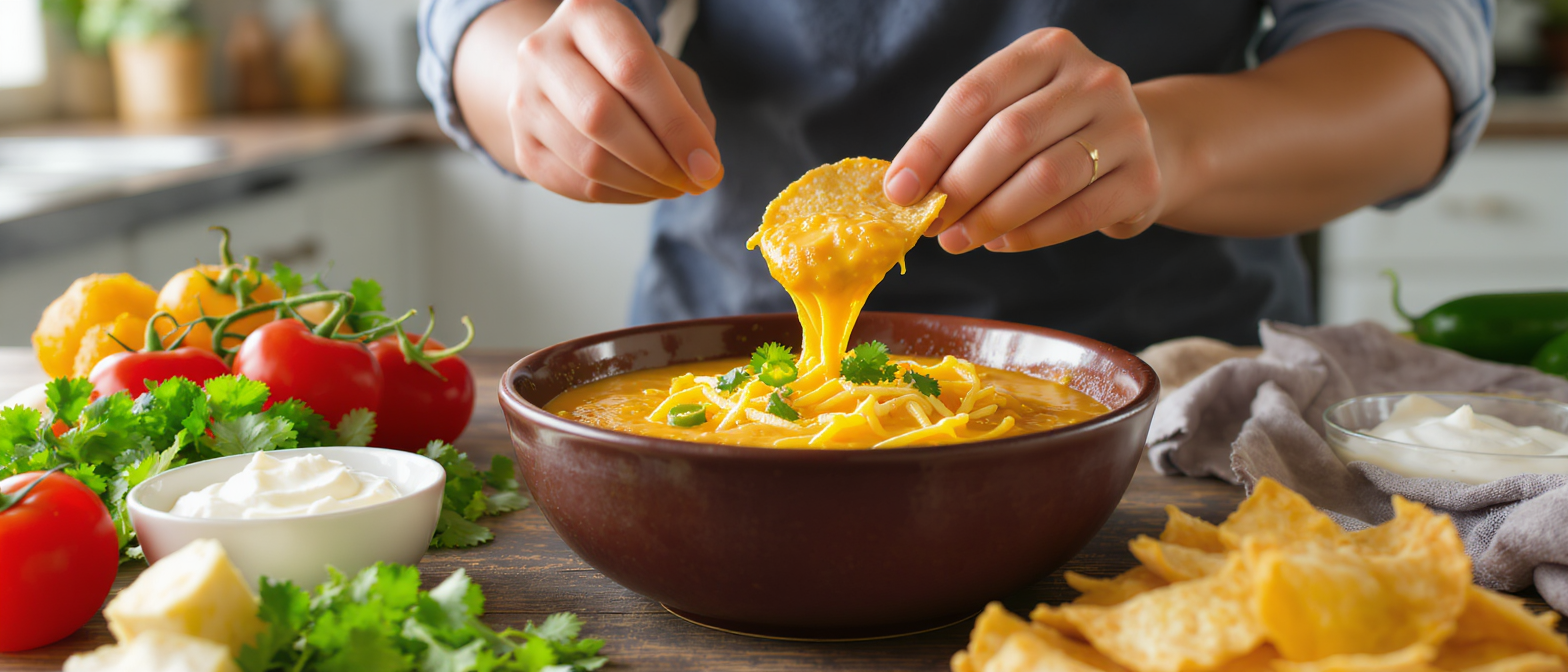
The final product should be a white, velvety cheese sauce with a delicate balance between creaminess, cheese intensity, and spicy hints. Garnishes such as chopped tomatoes or serrano peppers may be added to elevate presentation and introduce complementary fresh contrasts. Serving the dip warm enhances mouthfeel and aroma, optimizing the feast experience.
Consistent attention to temperature control and gradual ingredient integration defines the distinction between a homemade queso dip and its store-bought counterparts. This method aligns with a resilient cooking philosophy; equipping oneself with knowledge and skills that transform basic ingredients into reliable and superior culinary assets.
Customizing and enhancing your homemade queso dip for all occasions
While the basic recipe for queso dip provides a reliable and tasty foundation, its true strength lies in its versatility. Adapting this dip to various contexts—whether it’s a casual snack, a formal party food, or a flavorful component in larger meals—extends its utility beyond simple chips and salsa scenarios.
Cheese variations offer a subtle way to shift the dip’s character. White or yellow cheddar, queso blanco, Asadero, or Chihuahua cheese can be introduced either wholly or blended with the basic cheese mix to evoke richer, sharper, or milder profiles. Such experimentation can align the dip more closely to regional tastes or meal pairings, enhancing reception and enjoyment.
Spicing it up presents limitless possibilities. Incorporating dried herbs such as Mexican oregano or spices like cayenne and ground coriander can impart complexity. For a smoky element, smoked paprika or chipotle powder yields a layered experience. These ingredients allow tailoring the dip for guests with varying heat tolerances, ensuring inclusivity in any gathering.
Toppings and mix-ins are powerful tools for elevating the visual appeal and textural interest. Fresh pico de gallo offers acidity and crunch, while fresh cilantro introduces herbal brightness. More adventurous toppings like pickled red onions or a swirl of chimichurri can provide contrast that makes the queso dip memorable. Meat additives such as crumbled chorizo, spicy pork sausage, grilled chicken, or classic taco-seasoned ground beef can convert the dip into a hearty centerpiece suitable for more substantial meal components.
For those who prefer to prepare ahead, queso dip holds up well when refrigerated for up to five days. Proper storage in airtight containers ensures flavor and texture retention. Careful reheating—increasing warmth gradually and stirring—recaptures the dip’s original creaminess. Diluting slightly with cream or milk can remedy thickened leftover dip, maintaining quality.
| Customization Aspect | Options | Effect on Queso Dip |
|---|---|---|
| Cheese Type | Pepper Jack, Oaxaca, Monterey Jack, Cheddar, Queso Blanco | Influences melt smoothness, flavor intensity, and color |
| Spices | Chili powder, cumin, paprika, cayenne, Mexican oregano | Adds heat, smokiness, and herbal notes |
| Toppings | Pico de gallo, serrano peppers, cilantro, pickled onions | Enhances texture, freshness, and visual appeal |
| Meat Additions | Chorizo, pork sausage, grilled chicken, taco meat | Transforms dip into substantial entree or party highlight |
Integrating such options reflects culinary adaptability and readiness to meet diverse guest demands or personal preferences, consistent with principles of a sustainable and resilient household kitchen.
Practical tips for storing, reheating, and serving queso dip at home
Efficient management of prepared queso dip minimizes waste and enhances convenience, especially when hosting or preparing meals in advance. It is essential to store leftovers properly in airtight containers within the refrigerator where they remain safe and tasty for up to five days. Taste and texture may slightly change, but controlled refrigeration slows spoilage and preserves essential qualities.
Gentle reheating is critical to restoring the dip’s creamy, smooth texture. Utilizing a microwave at a lower power and heating in one-minute increments while stirring prevents overheating and separation. This controlled heating ensures the cheese gradually melts back into a uniform sauce. If the dip thickens during refrigeration—common due to fat solidification—a splash of milk or heavy cream added during reheating can restore fluidity.
A stove-top method also offers precise temperature control. Reheating over low heat with periodic stirring replicates the original melting conditions, preserving texture and flavor consistency.
For serving, store-bought tortilla chips remain a classic choice, but expanding the appetizer repertoire encourages creativity and healthier options. Raw vegetables such as bell peppers, cauliflower, carrots, and broccoli offer refreshing alternatives for dipping. Additionally, drizzling queso dip over cooked dishes, including tacos, nachos, or pasta, introduces rich creaminess that elevates everyday meals.
Slow cookers are highly recommended kitchen tools for both preparation and serving. They maintain a safe, evenly warm temperature throughout an event, enhancing enjoyment without the need for constant monitoring. Preparing queso dip on the stovetop and transferring it to a slow cooker on “keep warm” mode aligns well with gatherings, ensuring the dip is always ready, safe to eat, and appealing.
Beyond recipe mechanics, the approach to queso dip preparation exemplifies a rational, prepared culinary practice that benefits individual wellbeing and social occasions alike. Coupling knowledge of ingredient behavior with practical kitchen methodologies, this wisdom ensures that homemade queso dip remains a reliable, delectable asset in any recipe collection.
Exploration of more detailed cheese sauce recipes and tips for refining dip texture can be found at this source, illustrating the broad culinary landscape and innovation surrounding this classic condiment.
What is the best cheese combination for smooth queso dip?
The ideal blend includes pepper jack for spice and Monterey Jack or Oaxaca cheese for meltability and mild flavor, resulting in a smooth and creamy texture without graininess.
Why should I avoid pre-shredded cheese when making queso dip?
Pre-shredded cheeses often contain anti-caking additives that prevent smooth melting, leading to a grainy or lumpy texture which diminishes the quality of the cheese sauce.
How can I fix a lumpy or separated queso dip?
Gently whisking the dip or blending it in a high-powered blender can help restore smoothness. Also, ensure to melt the cheese slowly over low heat to avoid protein seizing.
Can queso dip be made ahead of time?
Yes, queso dip can be prepared in advance and stored in an airtight container in the refrigerator for up to five days. Reheat gently before serving to preserve texture and flavor.
What are the best serving options for queso dip?
Beyond traditional tortilla chips, fresh raw vegetables like bell peppers and carrots, or using the dip as a topping for nachos, tacos, or pasta, are excellent ways to enjoy queso dip.