Content
- 1 Choosing and preparing the best beans for homemade refried beans
- 2 Mastering cooking techniques and the magic of aromatics in refried beans
- 3 Detailed ingredient selection and tangible cooking steps for restaurant quality beans
- 4 Creative variations and adaptations for diverse taste preferences and diets
- 5 Practical storage, reheating tips, and serving ideas for homemade refried beans
When dining at Mexican restaurants, the side of refried beans often stands out with its rich, creamy texture and deep, savory flavor. However, the premium price for a small serving can be a barrier to enjoying this staple regularly. Learning how to make restaurant style refried beans from scratch is not only financially prudent but also allows complete control over ingredients and texture—essentials for anyone who values homemade meals that cater to specific dietary preferences, including vegetarian options. The foundation of this bean recipe rests on the choice of pinto beans, prized for their natural creaminess, which creates an authentic Mexican cuisine experience right in the home kitchen.
Making refried beans at home involves selecting quality dried beans, preparing them thoughtfully with aromatics and properly mastered cooking techniques to maximize flavor and texture. Unlike canned or pre-prepared varieties, homemade refried beans offer a complex taste profile free from preservatives and unnecessary additives, permitting sustainable and healthy food habits. When these beans are cooked methodically—be it in a pressure cooker or on the stove—and finished with the right balance of fat and spices, they transform into a luscious side dish that complements everything from tacos to enchiladas and beyond.
Key takeaways for mastering refried beans at home:
- Use dried pinto beans: Their creamy texture and earthy flavor create the perfect base.
- Incorporate aromatic vegetables: Onions, garlic, and cilantro stems contribute complexity and depth.
- Optimal fat selection: Bacon drippings or lard impart authentic flavor; vegetable oils offer vegetarian alternatives.
- Controlled mashing technique: Retain some bean pieces for character; smoothness is adjustable via immersion blender or masher.
- Season thoughtfully: Cumin, oregano, and bay leaves round out flavor without overpowering.
- Smart cooking method: Slow-cooking enhances flavor absorption, with pressure cooking offering a time-saving option.
- Versatile storage: Beans keep well refrigerated or frozen, ready to complement Mexican dishes anytime.
Choosing and preparing the best beans for homemade refried beans
Selecting the right bean type is the cornerstone of excellent refried beans. In the United States, pinto beans are traditionally favored because of their appealing creaminess once cooked and their mild, nutty flavor, which balances well with spices and fats. When purchasing these beans in bulk from grocery stores or specialty suppliers, attention to bean quality is essential. Freshness is indicated by plumpness and uniformity of size without cracks or discoloration—important to avoid unwanted bitterness or uneven cooking.
While pinto beans are the go-to option, black beans are a well-loved alternative in some Mexican regions, presenting a firmer texture and deeper color, though requiring slightly longer cooking times. More exotic choices like heirloom varieties from specialty brands add a unique twist to this classic dish, enriching the flavor and offering varied textures. Regardless of variety, thorough rinsing before cooking removes dirt and debris, while a soak of at least 6 hours or overnight reduces cooking time and improves digestibility.
Cooking beans from their dried state maximizes flavor depth that canned beans cannot match. Whether using a stovetop or a modern electric pressure cooker, slowly simmering the beans with aromatics such as bay leaves, chopped onions, garlic, and cilantro stems infuses essential flavors. This stage benefits greatly from patience, as the beans absorb the savory notes that differentiate restaurant style refried beans from commercially canned ones. The soak and slow cooking method also help to naturally release starches that will lend the final dish its signature creaminess.
| Bean Type | Texture | Cooking Time | Flavor Notes | Sourcing Tips |
|---|---|---|---|---|
| Pinto Beans | Creamy, smooth with slight chunks | 1.5 to 2.5 hours (stovetop) | Earthy, mild nuttiness | Bulk bins, grocery, specialty suppliers |
| Black Beans | Firm, dense | 2 to 3 hours (stovetop) | Rich, slightly smoky | Ethnic markets, organic stores |
| Heirloom Beans | Varies by variety | 2 to 3 hours or as directed | Distinct, complex | Specialty stores, online (e.g., Rancho Gordo) |
Preparing beans in this careful, intentional way elevates the final dish beyond simple sustenance, creating a homemade side dish rich in taste and nutrients, contributing not only to culinary satisfaction but also to a more controlled, frugal lifestyle.
Mastering cooking techniques and the magic of aromatics in refried beans
Achieving the authentic texture and taste of restaurant-style refried beans hinges on two critical factors beyond the choice of beans: the cooking process and the inclusion of aromatic ingredients. The slow simmering or pressure cooking phase should never be rushed, as this allows flavors to meld and the pinto beans to soften sufficiently, releasing their natural starches that are integral for the creamy consistency.
Aromatics—onion, garlic, and cilantro stems—are essential additions that infuse the beans with savory and bright notes. Typically, these are sautéed in fat prior to combining with the cooked beans. Traditional recipes advocate for lard or bacon drippings, both of which contribute a depth of flavor that is hard to replicate with neutral oils. However, vegetarian or health-conscious adaptations rely on quality vegetable oils like olive or avocado oil to achieve a lighter yet still satisfying profile.
Here is a breakdown of key aromatics and their functions:
- Onion: Delivers sweetness and a mild pungency when caramelized gently.
- Garlic: Adds essential depth and enhances savory richness.
- Cilantro stems: Provide subtle herbal brightness often overlooked but critical to traditional taste.
- Bay leaves: Impart subtle earthiness, removed before mashing.
Slow cooking in the presence of these aromatics allows the beans to absorb complex flavor layers, elevating them beyond a simple bean side. The technique of mashing—preferably using an immersion blender pulsed gently—permits precise texture control. Pausing to evaluate the consistency and adding reserved cooking liquid incrementally prevents over-thinning, ensuring the beans maintain a harmonious body with a few intact bean pieces to enhance mouthfeel.
| Cooking Method | Advantages | Recommended Aromatics | Recommended Fats | Required Cooking Times |
|---|---|---|---|---|
| Stovetop | Flavor depth, traditional technique | Onion, garlic, cilantro stems, bay leaves | Lard, bacon drippings, vegetable oil | 2 to 2.5 hours |
| Pressure Cooker/Instant Pot | Time efficient, preserves flavor | Same as stovetop | Same as stovetop | 30 to 36 minutes high pressure plus natural release |
Mastering these techniques entails a deep understanding of ingredient interactions and timing to ensure that the beans become a true restaurant style delicacy. This is particularly vital when preparing batches in advance to maintain optimal flavor and texture upon reheating.
Detailed ingredient selection and tangible cooking steps for restaurant quality beans
Crafting refried beans with authentic flavor involves a concise list of dependable ingredients. Below are those that contribute the largest impact:
- Dried pinto beans: The integral base ingredient.
- Bacon drippings or lard: For savory body and richness.
- Onions and garlic: Provide foundation flavor layers.
- Cilantro stems and bay leaves: Brightness and earthiness in cooking.
- Ground cumin: Adds warmth and traditional spice.
- Salt: Enhances all flavors and finishes the dish.
To achieve the best results, note these essential procedural elements guiding the cooking process:
- Rinse and sort beans: Remove debris and damaged beans for optimal cooking.
- Cook the beans: Simmer with aromatics and fat, or pressure cook to expedite with flavor retention.
- Drain and reserve cooking liquid: Essential for controlling final bean consistency during mashing.
- Sauté aromatics in bacon drippings or oil: Developing layers of flavor before combining with beans.
- Mash beans carefully: Using an immersion blender, pulse intermittently to keep some texture.
- Adjust texture: Gradually add reserved liquid to get perfect creaminess without compromising body.
- Season: Salt and cumin to taste, balancing flavors with care.
This measured approach mirrors the process used in authentic Mexican kitchens and drives the transformation of simple dried beans into an exquisite side dish.
| Step | Action | Purpose |
|---|---|---|
| Preparation | Rinse, sort, and soak beans | Remove impurities; improve hydration and cooking time |
| Cooking | Simmer beans with aromatics and fat | Develop flavor and tenderize beans |
| Drain & reserve liquid | Separate beans and keep cooking liquid for texture control | Maintain taste and adjust creaminess |
| Sauté aromatics | Cook onion, garlic, cilantro stems in fat | Build savory and herbal flavor layers |
| Mash beans | Pulse beans gently, add reserved liquid | Create creamy texture with character |
| Season | Add cumin, salt, other spices | Enhance final flavor profile |
Creative variations and adaptations for diverse taste preferences and diets
The adaptability of the refried bean recipe allows for various modifications to suit different palates and dietary needs, making it an accessible and versatile addition to home cooking repertoires.
Here are some popular variations:
- Black Bean Refried Beans: Swap pinto beans for black beans to introduce a richer color and a firmer texture. Incorporate a pinch of oregano and a final squeeze of lime juice to brighten the dish. Extended cooking times ensure tenderness.
- Chorizo-Infused Refried Beans: Adding browned chorizo before mashing delivers bold, smoky spice. Because of added fat, reduce bacon drippings accordingly and consider introducing smoked paprika for extra depth.
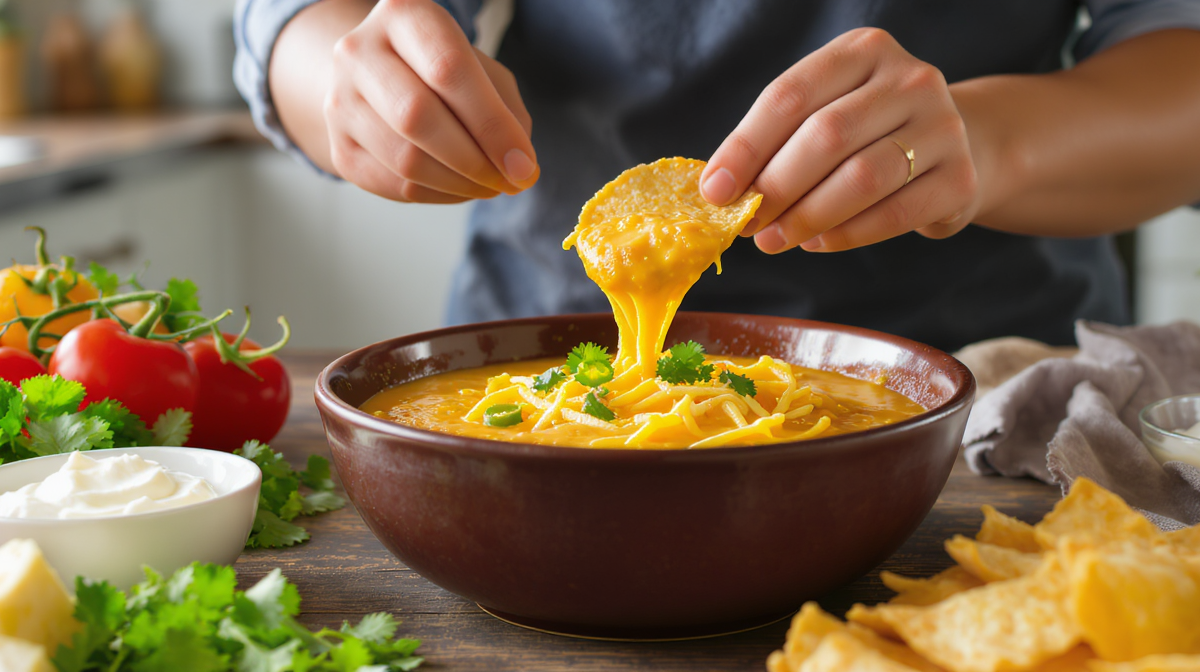
- Tex-Mex Cheese Beans: After mashing, fold in shredded cheddar or Monterey Jack cheese for creamy indulgence. Garnish with sour cream and chopped green onions to elevate the flavor profile.
- Vegetarian Adaptations: To maintain richness without animal fats, substitute bacon drippings with olive oil or other vegetable oils, and enhance seasoning with additional herbs and spices such as smoked paprika or chipotle powder.
These adaptations allow the recipe to function within many culinary contexts, broadening its usability without compromising the foundational principles of homemade, authentic flavor.
| Variation | Key Ingredient | Flavor Enhancer | Diet Suitability |
|---|---|---|---|
| Black Bean | Black beans | Oregano, lime juice | Vegetarian |
| Chorizo | Chorizo | Smoked paprika | Non-vegetarian |
| Tex-Mex Cheese | Cheddar or Monterey Jack | Sour cream, green onions | Vegetarian |
| Vegetarian | Olive oil (or vegetable oil) | Herbs, smoked paprika | Vegetarian |
Practical storage, reheating tips, and serving ideas for homemade refried beans
Proper storage and reheating are vital for maintaining the quality of homemade refried beans, ensuring they retain their unique texture and flavor.
Storage guidelines include:
- Refrigeration: Place cooled beans in airtight containers; they keep well for up to 5 days, making them an excellent make-ahead option.
- Freezing: Portion into freezer-friendly containers or bags, removing excess air to prevent freezer burn. Frozen beans remain good for up to 3 months.
- Thawing: Transfer frozen beans to the refrigerator 24 hours before reheating for even thawing.
When ready to reheat, the beans benefit from gentle warming methods:
- Stove reheating: Warm in a saucepan over medium-low heat, stirring often and adding reserved cooking liquid or water to restore creaminess as necessary.
- Microwave: Cover to lock moisture and heat for 1–2 minutes, stirring midway for even warmth.
Serving suggestions for refried beans expand well beyond just a side dish:
- As an essential side for tacos, burritos, and enchiladas
- Blended as a dip with added salsa or cheese for parties
- Layered inside casseroles or served atop baked potatoes
- Used as a filling for peppers or wraps for added nutrition and flavor
Incorporating refried beans into meals not only enhances flavor but also boosts dietary fiber and protein content, making it a practical choice for optimized nutrition aligned with a sustainable lifestyle.
| Storage Method | Duration | Tips | Best Reheating Method |
|---|---|---|---|
| Refrigeration | Up to 5 days | Airtight container, cool before storing | Stovetop or microwave |
| Freezing | Up to 3 months | Portion into freezer bags, remove excess air | Refrigerator thaw + stovetop reheat |
Exploring detailed tutorial videos helps reinforce mastering the method and gaining visual cues to perfect bean texture and flavors when making refried beans at home.
Step-by-step videos simplify the process for cooks aiming to replicate authentic Mexican dishes by providing practical tips and ingredient insights.
Can I use canned beans instead of dried beans for refried beans?
While canned beans offer convenience, cooking dried beans from scratch imparts a superior flavor and texture essential to authentic restaurant-style refried beans.
What type of fat is best for refried beans?
Traditionally, lard or bacon drippings offer the richest flavor, but high-quality vegetable oils can be used for vegetarian versions without sacrificing creaminess.
How do I control the texture of refried beans?
Use an immersion blender in short pulses to mash beans, leaving some chunks for character. Adjust consistency by gradually adding reserved cooking liquid.
How long can homemade refried beans be stored?
Stored in airtight containers, they last up to 5 days in the refrigerator and up to 3 months in the freezer.
Are refried beans vegetarian?
They can be made vegetarian by substituting animal fats with vegetable oils and omitting meat-based ingredients, retaining full flavor and texture.