Content
- 1 Understanding ricotta cheese: origins, ingredients, and unique texture
- 2 Ricotta cheese in cooking: savory uses that transform dishes
- 3 Sweet ricotta cheese recipes: desserts and snacks that delight
- 4 Making your own ricotta cheese at home: simple steps and tips
- 5 Frequently Asked Questions about ricotta cheese uses, storage, and cooking tips
- 5.1 How long does ricotta cheese last once opened?
- 5.2 Can ricotta cheese be frozen without losing quality?
- 5.3 What are some easy ways to use ricotta in everyday meals?
- 5.4 Is ricotta cheese suitable for people with lactose intolerance?
- 5.5 How does ricotta differ from other soft cheeses like cream cheese or cottage cheese?
Ricotta cheese is one of those magical ingredients that can elevate the simplest dishes to culinary delights. This soft, creamy dairy product, steeped in rich Italian heritage, is well-loved not only for its mild flavor but also for its versatility in cooking and baking. Originating from the ancient Italian tradition of recooking leftover whey, ricotta has evolved into far more than just a humble cheese. Today, it is a staple in kitchens across the world, prized for its smooth texture and ability to blend into both savory and sweet recipes. Whether dolloped on pasta or swirled into desserts, ricotta adds a luscious creaminess that’s hard to match.
The charm of ricotta lies in its simplicity and adaptability. It’s relatively low in fat compared to other dairy cheeses, boasting a gentle, slightly sweet taste that harmonizes beautifully with many food combinations. From the classic Italian lasagna to innovative salads or breakfast bowls, this cheese enables home cooks and chefs alike to explore a wide range of flavors and textures. Beyond flavor, ricotta offers nutritional benefits such as high-quality protein and calcium, making it a great choice for those seeking wholesome ingredients.
In the evolving landscape of 2025, where sustainability and frugal living are increasingly embraced, ricotta cheese fits right in. Not only is it often made from by-products of other cheeses, minimizing waste, but it’s also affordable and easily accessible. Homesteaders and food enthusiasts alike appreciate ricotta as a practical option, enhancing the taste and nutritional payoff of their meals without breaking the bank. Its fresh and delicate nature also invites homemade preparation, further strengthening the connection between food, family, and tradition.
Understanding ricotta cheese: origins, ingredients, and unique texture
Ricotta cheese hails from Italy, its name translating directly as “recooked,” which reflects its unique production method. Unlike most cheeses made by curdling milk, ricotta is crafted from the whey that remains after the production of other cheeses such as mozzarella or provolone. Traditionally, this leftover whey is heated once more, allowing the fine protein particles to coagulate gently and form the soft curds that create ricotta.
The typical ingredients in ricotta include whey, sometimes combined with whole milk to enhance creaminess and boost fat content. This method infuses the cheese with its signature light, fluffy texture that melts beautifully in the mouth, setting it apart from denser, aged cheeses. The fresh nature of ricotta means it’s best enjoyed within a few days of production, which adds to its association with fresh, wholesome cooking.
The texture of ricotta is a defining characteristic that dictates its versatility in the kitchen. Its soft, moist curds can be easily spread like a creamy paste or gently folded into batters and sauces for smooth incorporation. This flexibility makes ricotta a favored choice for a wide range of uses — from being simply seasoned and served as a cheese course to being incorporated into delicate desserts like cheesecakes and cannoli fillings.
It’s also interesting to note the differences found between traditional and commercially produced ricotta in 2025. While artisanal ricotta maintains the authentic whey-based production, many commercial brands use whole milk and additives to extend shelf life and keep costs low. Despite these differences, the core qualities of ricotta—its mild flavor, creamy consistency, and subtle sweetness—remain intact, ensuring it retains a beloved place in kitchens globally.
The importance of ricotta’s texture cannot be overstated. Chefs and home cooks often highlight how ricotta’s gentle creaminess enriches dishes without overpowering other ingredients. For example, it adds richness to pasta fillings without making them heavy or bland while lending tenderness to baked goods and even enhancing the moisture of certain breads. By understanding ricotta’s origins and delicacy, cooks can better appreciate how this cheese plays a vital role in Italian cuisine and beyond.
Ricotta cheese in cooking: savory uses that transform dishes
In the heart of Italian cuisine, ricotta cheese is a superstar ingredient, especially in savory dishes. Beyond the well-known use in lasagna, where it creates a creamy layer that balances the richness of tomato sauce and melted mozzarella, ricotta shines in countless other recipes that bring out its full potential.
One classic application is in stuffed pasta shells or ravioli. Mixing ricotta with spinach, herbs, Parmesan, and sometimes ground meat yields a luscious, rich filling that contrasts wonderfully with the pasta’s texture. The cheese’s gentle flavor doesn’t compete with spices but rather complements them, creating a balanced dish that’s both hearty and refined.
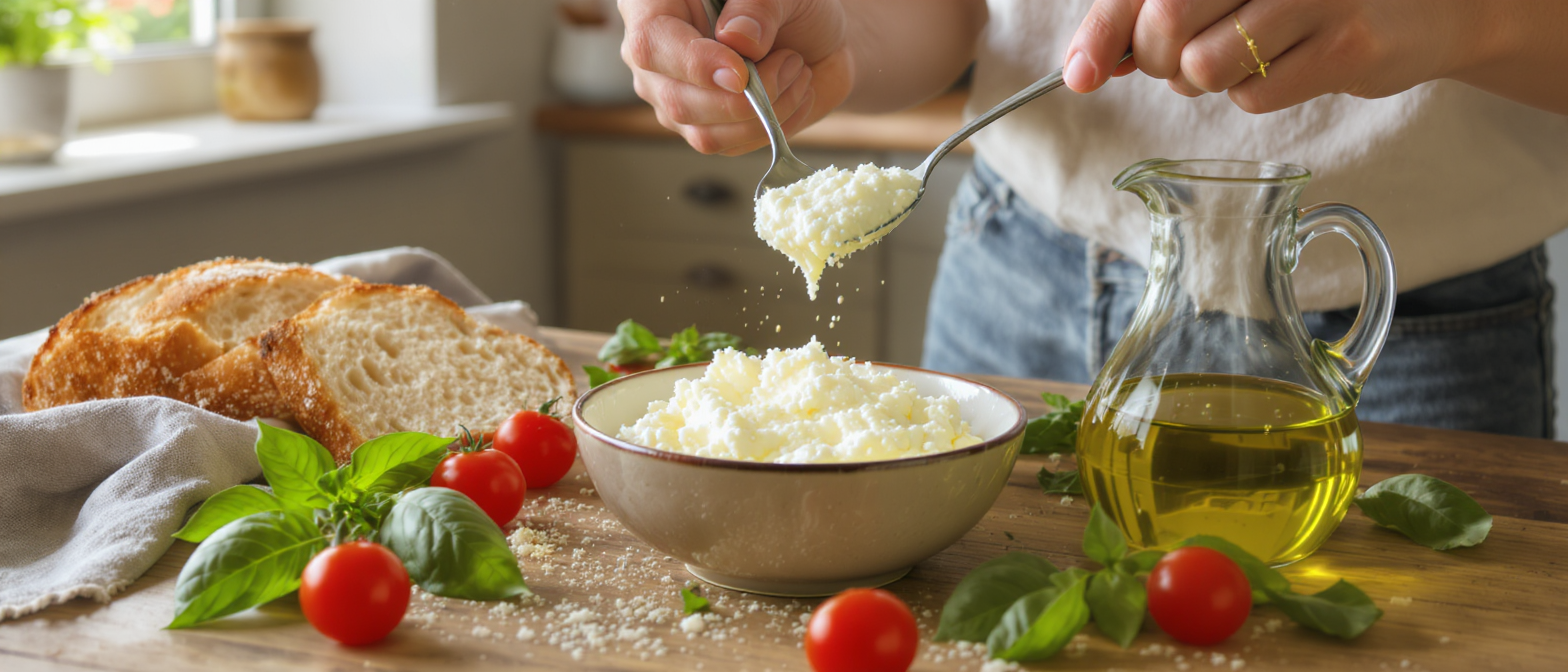
Ricotta also lends itself to quick and simple snacks or appetizers. A personal favorite approach is serving a bowl of ricotta drizzled with top-quality olive oil, sprinkled with freshly cracked black pepper and sea salt, paired with crunchy crackers or toasted bread. This effortless dish can be a delicious starter or a satisfying snack that showcases the cheese’s pure taste and velvety texture.
Experimentation with ricotta in salads is another tasty avenue. Combining it with fresh watermelon cubes, creamy avocado slices, and toasted seeds or nuts creates a refreshing salad that bursts with contrasting textures and flavors. The soft, creamy ricotta acts as a smooth counterpoint to the crisp, juicy fruits and crunchy seeds, making every bite interesting and delightful.
Ricotta shines in egg dishes as well. Stirring a spoonful into scrambled eggs results in an incredibly creamy texture without the need for heavy cream or butter. Adding fresh chives or herbs can elevate the breakfast experience to one that feels indulgent yet wholesome. These kinds of practical uses make ricotta an indispensable ingredient for busy families wanting to add nutrition and flavor with minimal effort.
For those new to cooking with ricotta, here are practical savory uses to get started:
- 🌿 Mix with sautéed spinach and Parmesan for a hearty pasta filling.
- 🧀 Spread on toasted baguette slices, topped with fresh tomatoes and basil.
- 🍳 Fold into scrambled eggs to add creaminess and richness.
- 🥗 Toss with fruit, avocado, and nuts for salads that marry soft and crunchy textures.
- 🍝 Stir through spaghetti or other pasta for an effortlessly creamy sauce.
By understanding these practical applications, home cooks can harness the power of ricotta to create meals that satisfy and impress. Its ability to enhance dishes without overwhelming them is why ricotta remains a favorite soft cheese in kitchens worldwide.
Sweet ricotta cheese recipes: desserts and snacks that delight
Ricotta cheese isn’t just for savory dishes; its gentle sweetness and creamy texture make it a perfect complement in desserts and snacks. Italian desserts like cannoli and cheesecake often rely on ricotta’s mild flavor to balance richer ingredients and provide a smooth mouthfeel.
One easy way to create a delightful treat is by making a simple ricotta dip. Combining ricotta with cream cheese, a touch of powdered sugar, vanilla extract, and chocolate chips yields a luscious dip perfect for fruit or cookies. This quick preparation is perfect for busy families looking to serve desserts that don’t require hours in the kitchen but deliver big on taste.
Ricotta also pairs beautifully with grilled fruits such as peaches, nectarines, or pineapples. The warmth and slight caramelization of the fruit enhances the subtle creaminess of ricotta. Add a drizzle of honey and a sprinkle of crunchy granola or nuts for texture, and this simple combination becomes a sophisticated yet easy dessert or snack.
Breakfast enthusiasts find ricotta a welcome addition as well. Adding a dollop to pancakes, waffles, or toast can add a creamy dimension that balances sweetness or complements savory toppings. Mixing ricotta with fruit preserves or fresh berries makes for a fresh, wholesome start to the day that is both filling and delicious.
The following sweet ricotta ideas can easily be incorporated into everyday cooking or special occasions:
- 🍫 Cannoli dip made with ricotta, cream cheese, and chocolate chips.
- 🍑 Grilled fruit topped with ricotta and honey for a natural dessert.
- 🍓 Ricotta mixed with fresh berries as a breakfast spread.
- 🥞 Spoonfuls of ricotta on warm pancakes or waffles.
- 🍪 Ricotta blended into cookie or muffin batters for moistness and tenderness.
The range of sweet uses highlights ricotta’s incredible flexibility. Beyond enhancing taste and texture, ricotta adds protein and calcium to dishes that are otherwise indulgent, making it a wonderful ingredient for those seeking balance between flavor and nutrition in 2025’s evolving food landscape.
Making your own ricotta cheese at home: simple steps and tips
One of the joys of homesteading and frugal living is creating quality ingredients in your own kitchen, and ricotta cheese is no exception. Making ricotta at home requires just a few simple ingredients and minimal equipment, making it accessible for even beginner cooks who are eager to connect with the origins of this classic cheese.
The process begins with heating fresh whole milk gently until it almost boils, then adding an acid like lemon juice or white vinegar to curdle the milk. As the solids separate from the whey, they are gathered by carefully draining through cheesecloth or a fine sieve. The result is fresh, creamy ricotta with a flavor and texture often superior to store-bought versions.
Once made, the fresh ricotta can be used immediately or stored in the refrigerator for up to a week. Homemade ricotta offers the advantage of control over texture and flavor intensity; for a creamier cheese, adding a bit of cream or whole milk during the process can adjust richness. It’s also an incredibly satisfying activity that connects home cooks to traditional foodways.
Here’s a basic overview of ingredients and steps for homemade ricotta:
| 🧀 Ingredient | 📏 Quantity | 🕒 Notes |
|---|---|---|
| Whole milk | 4 liters (about 1 gallon) | Use fresh, high-quality milk for best taste |
| Lemon juice or white vinegar | 60 ml (about 4 tablespoons) | Acts as the acid to curdle the milk |
| Salt (optional) | To taste | Added after curdling for flavor balance |
Steps to prepare homemade ricotta:
- Slowly heat milk in a large pot over medium heat until it reaches around 85-90°C (185-195°F).
- Remove from heat and gently add the acid, stirring softly to curdle the milk.
- Let the mixture rest for 10-15 minutes until curds fully develop.
- Strain through cheesecloth to separate curds from whey.
- Season with salt if desired and store in an airtight container in the fridge.
Making ricotta at home not only enhances culinary skill but also reduces food waste by using milk efficiently. For families focused on frugal living, this process can save money and bring fresh, wholesome ricotta to the table, connecting them to both tradition and sustainable food practices.
Frequently Asked Questions about ricotta cheese uses, storage, and cooking tips
How long does ricotta cheese last once opened?
Opened ricotta cheese typically stays fresh for about 5 to 7 days when stored properly in the refrigerator in an airtight container. Keeping it cold and sealed helps maintain its delicate texture and flavor.
Can ricotta cheese be frozen without losing quality?
Ricotta can be frozen, but its texture may change upon thawing, becoming grainier and less creamy. It’s best used in cooked dishes after freezing, such as baked pastas or casseroles, where texture changes are less noticeable.
What are some easy ways to use ricotta in everyday meals?
Ricotta is incredibly versatile and can be spread on toast with a drizzle of olive oil, mixed with spinach for pasta fillings, stirred into scrambled eggs, or used as a base for sweet dips and desserts. Its mild flavor makes it suitable for both sweet and savory preparations.
Is ricotta cheese suitable for people with lactose intolerance?
Ricotta generally contains less lactose than many other cheeses because it’s made from whey, but sensitivity varies by individual. Those with mild lactose intolerance may tolerate small amounts well, though severe intolerance may require avoiding it.
How does ricotta differ from other soft cheeses like cream cheese or cottage cheese?
Ricotta is softer and grainier than cream cheese but smoother and less wet than cottage cheese. Unlike cream cheese, which is dense and tangy, ricotta has a mild and slightly sweet flavor, making it more versatile in a variety of recipes.