Content
- 1 Why ripen green tomatoes off the vine to maximize fruit maturity and garden health
- 2 Step-by-step common ripening techniques for green tomatoes off the vine
- 3 Identifying when to harvest green tomatoes to ensure successful ripening post-harvest
- 4 Optimal storage conditions and environmental factors to ripen green tomatoes at room temperature
- 5 Creative ways to use green tomatoes if they don’t ripen fully and troubleshooting common ripening challenges
Unlock the secret to perfectly ripened tomatoes even after harvest! 🍅 As autumn approaches and the warm growing season winds down, gardeners often face the dilemma of green tomatoes still clinging stubbornly to their vines. Instead of risking frost damage or pest infestation, savvy homesteaders have mastered the art of ripening green tomatoes off the vine. This method not only preserves the flavor and texture but also revitalizes the tomato plant for continued productivity. Understanding when to harvest, how to create ideal ripening conditions, and the science behind the process empowers anyone to extend their tomato enjoyment well into the cooler months. Far from a simple waiting game, ripening tomatoes indoors is a dynamic practice blending biology, environment, and a dash of patience — a perfect fit for those passionate about frugal living and self-sufficient gardening.
Key points to keep in mind for ripening green tomatoes successfully: 🌱 Choose tomatoes at the right maturity stage, typically when at least 25% shows color.
🌡 Maintain a consistent room temperature between 60°F and 70°F.
💨 Ensure proper airflow to prevent mold and over-ripening.
🍌 Use ethylene-producing fruits like bananas to speed the ripening process.
🏠 Avoid placing tomatoes in direct sunlight or refrigerators.
🛡 Protect your tomatoes from pests and damage by harvesting early.
🍅 Recognize that ripening off the vine boosts plant health and harvest longevity.
Why ripen green tomatoes off the vine to maximize fruit maturity and garden health
Contrary to a common garden myth, it is often better to harvest green tomatoes before they fully ripen on the plant. Leaving tomatoes to ripen naturally on the vine sounds ideal but introduces several risks and setbacks. Firstly, ripe tomatoes become magnets for pests including birds, insects, and small mammals like raccoons and groundhogs. These visitors can cause significant crop loss and damage if fruits remain on the plant too long. For example, gardeners in temperate regions have reported up to a 40% loss of fully ripe tomatoes to pests during warm autumns.
Moreover, leaving too many heavy fruits on the plants strains the stems, leading to bending and occasionally breakage, which compromises the plant’s overall vigor. This mechanical stress may stunt the plant’s ability to produce new blooms and developing fruit, resulting in fewer tomatoes over time. Harvesting tomatoes with at least some initial change from bright green to pale color allows the plant to reallocate energy towards new growth rather than fruit maintenance.
One fascinating aspect of tomato biology is the ‘breaking stage’ — the moment when the fruit begins obvious color change. At this point, the tomato has started to produce ethylene gas, a natural plant hormone critical for ripening. When harvested during this phase, tomatoes can ripen fully even when removed from the plant. This is because ethylene initiates enzymatic changes such as softening, color shift from green to red or orange, and enhanced sugar development, transforming hard, sour fruits into the juicy tomatoes appreciated in kitchens worldwide.
In the context of homestead gardening, ripening tomatoes off the vine is more than a preservation trick; it is a strategy to maintain plant health and optimize harvest outputs. The earlier removal of the fruit invites fresh blossoms and encourages consecutive waves of production, a boon for families relying on homegrown produce through the end of the season.
Step-by-step common ripening techniques for green tomatoes off the vine
Successfully ripening tomatoes off the vine hinges on mimicking the natural conditions that promote fruit maturity. A growing number of gardeners utilize these time-tested techniques:
- 🍌 Using ethylene gas stimulation: Place tomatoes in a breathable container with ethylene-producing fruits like bananas or apples. This gas stimulates ripening even without sunlight, accelerating the process.
- 🌬️ Optimizing airflow: Use wire racks, mesh trays, or paper bags with ventilation holes to encourage even ripening and reduce the risk of rot or mold.
- 🌡️ Controlling temperature: Maintain a consistent room temperature between 60°F and 70°F. Temperatures too cool slow ripening, while too warm can cause uneven color development and soft spots.
- 🛑 Avoid direct sunlight: Contrary to popular belief, placing tomatoes in direct sunlight can cause blotchy ripening and skin damage.
- 🧹 Inspecting daily: Check tomatoes regularly to remove any showing signs of decay or softening to protect the others.
To avoid flat spots and bruises, never stack tomatoes too tightly; arrange them in a single layer with enough space to breathe. An upside-down placement (stem side down) can reduce pressure damage on softer fruit parts if flat surfaces must be used. One seasoned gardener shared how she managed to ripen fifty green tomatoes within two weeks using a combination of ethylene gas exposure and a simple wire rack setup in her mudroom, maintaining steady warmth without sunlight exposure.
Identifying when to harvest green tomatoes to ensure successful ripening post-harvest
Timing is critical for harvesting green tomatoes that will ripen properly off the vine. Tomatoes picked too early often fail to ripen or develop full flavor, while waiting too long invites pest damage and plant health stress.
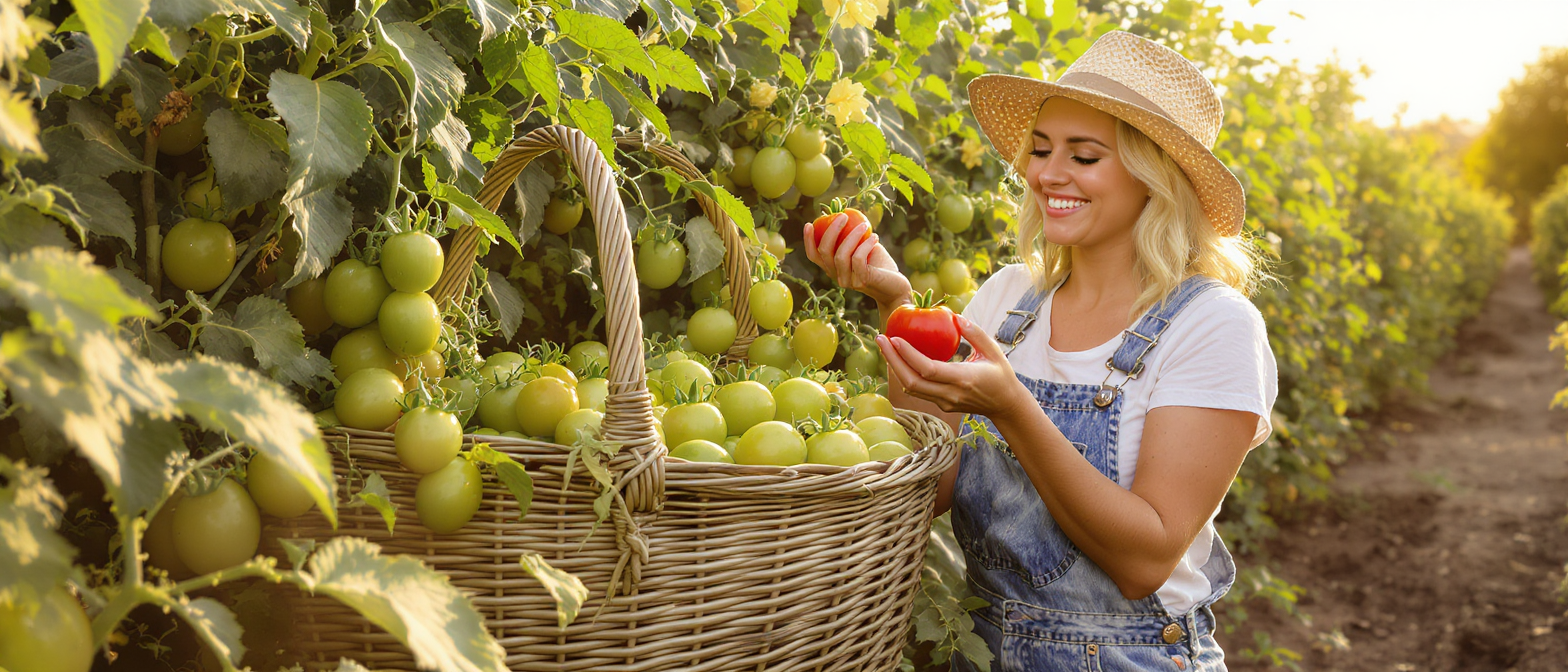
Look for grapes-sized to full-sized fruit starting the ‘breaker stage,’ characterized by about a quarter of the skin turning from deep green to a lighter shade or pinkish tint, depending on variety. At this phase, the tomato is mature enough to continue ripening indoors without nutrients from the plant. Avoid stubbornly green fruits with hard textures — these usually do not ripen well.
Harvest technique also plays a role in post-harvest success. Pluck tomatoes gently with a slight twist; avoid yanking to prevent damage to both the fruit and the vine. Stems attached can remain, helping reduce spoilage. Label your picked tomatoes by harvest date to track ripening time and reduce confusion in mixed batches.
Optimal storage conditions and environmental factors to ripen green tomatoes at room temperature
Once tomatoes are harvested, the environment in which they are stored becomes paramount. The key for optimal tomato ripening lies in maintaining appropriate room temperature, humidity, and protection from other factors.
Temperature should be steady between 60°F and 70°F. This range balances enzymatic activities critical for ripening. Cooler storage, such as a refrigerator, halts the process and dulls flavor, while warmer thumbs can accelerate spoiling or uneven color development.
Humidity plays a role in preventing shriveling and decay. Tomatoes prefer 85-90% relative humidity, achievable by misting or using enclosed containers with ventilation. Too much moisture breeds mold; too little causes drying.
Light exposure should be minimized to avoid heat buildup and UV damage that can toughen skin or disrupt pigment creation. Instead, a shaded, ventilated spot like a pantry or cool room works best.
Lastly, ethylene gas from companion fruits can be a real advantage in ripening. Placing bananas, apples, or avocados near green tomatoes can accelerate ripening through natural hormone release.
| ✅ Storage Parameter | ✅ Ideal Range | 🌟 Why It Matters |
|---|---|---|
| Temperature | 60-70°F (15-21°C) | Optimal enzymatic ripening without spoilage |
| Humidity | 85-90% | Prevents drying while avoiding mold growth |
| Light Exposure | Indirect or shaded | Prevents skin damage and uneven color |
| Airflow | Good ventilation | Reduces rot risk and encourages even ripening |
Creative ways to use green tomatoes if they don’t ripen fully and troubleshooting common ripening challenges
Sometimes despite best efforts, green tomatoes may never fully turn red. These fruits remain valuable and can be transformed into delicious dishes that celebrate their unique tartness and firm texture.
The traditional favorite is fried green tomatoes, a Southern recipe that crisps tomato slices to golden perfection. Green tomatoes can also be pickled, roasted, or turned into chutneys and salsas with spices and sweeteners for rich flavor contrasts. In many homesteads, green tomatoes also become the base for hearty tomato relishes or soups that showcase their natural bitterness mellowed by slow cooking.
Common challenges in ripening green tomatoes off the vine include:
- 🕵️ Uneven ripening: Often caused by inconsistent temperature or lack of ethylene gas.
- ⚠️ Fruit softening or rotting: May result from excess humidity or limited airflow.
- ❌ Lack of color change: Could signal premature picking or insufficient warmth.
- 🐛 Pest damage after harvest: Storing tomatoes improperly invites pests even indoors, so check for signs regularly.
Successful ripening off the vine is about finding balance—room temperature, ethylene presence, humidity control, and patience. By understanding these elements, gardeners stay connected to their harvest, savoring fresh tomatoes beyond the traditional growing season.
Watch this practical demonstration that covers harvesting timing, storage setups, and ripening with ethylene gas for amazing results.
This video provides insights into the best storage environments to maintain fruit quality and nutrition post-harvest.
Can all green tomatoes be ripened off the vine?
Only tomatoes that have reached the breaker stage, showing initial color change, will ripen properly off the vine. Very young green tomatoes usually won’t ripen.
Why is ethylene gas important for tomato ripening?
Ethylene is a natural plant hormone that triggers enzymatic processes turning a tomato from green and firm to red and juicy. It accelerates ripening when present.
Is it okay to ripen tomatoes on a sunny windowsill?
Direct sunlight can cause uneven ripening and skin damage, so it’s best to ripen tomatoes in a shaded location with good airflow.
How long does it take for tomatoes to ripen off the vine?
Typically, tomatoes take anywhere from 5 to 14 days to ripen fully when stored properly at room temperature with ethylene gas exposure.
Should ripened tomatoes be refrigerated to stay fresh longer?
Refrigeration slows the ripening process but can degrade flavor and texture. Eat ripe tomatoes within a few days or refrigerate shortly before consumption.