Content
- 1 Understanding the Role of Tallow in Old-Fashioned Soap Bars
- 2 Essential Soap Making Steps for Durable and Safe Tallow Soap Bars
- 3 Choosing and Combining Soap Ingredients for Best Results
- 4 Techniques for Customizing Traditional Soap Bars with Tallow
- 5 Historical and Environmental Significance of Traditional Tallow Soap Making
In the pursuit of sustainable living and self-sufficiency, crafting your own tallow soap represents a return to practical, time-tested methods that blend utility with tradition. Soap making, especially with natural ingredients like tallow, requires understanding the chemistry and nuances behind each step to create truly effective soap bars. This guide sheds light on the art and science behind producing old-fashioned soap, a practice that not only reduces dependency on commercial products but also ensures control over the quality and environmental impact of personal care items.
Using animal fats such as beef tallow forms the cornerstone of traditional soap recipes that span generations. This ingredient provides a robust, creamy lather and excellent moisturizing qualities, often surpassing many modern synthetic alternatives. Furthermore, accessing and rendering your own tallow aligns with broader frugality principles and resilience, crucial for those aiming to build an autonomous lifestyle.
Embarking on DIY soap projects emphasizes acquiring diverse skill sets, from sourcing ingredients responsibly to precise handling of lye—one of the key soap ingredients. The amalgamation of these elements culminates in a product that is nourishing, biodegradable, and steeped in heritage. Delving into the details of a tallow soap recipe allows both novices and seasoned enthusiasts to appreciate the intricacies and rewards embedded in crafting homemade soap bars.
Key highlights to consider:
- Understanding the impact of tallow soap on skin hydration and cleansing efficacy.
- The critical role of slow curing and proper saponification in preserving soap integrity.
- The sustainability benefits tied to using rendered beef tallow over synthetic oils.
- The safety protocols when working with lye to ensure effective and safe soap making.
- Adaptability of formulations to personalize scents, textures, and skin benefits.
Understanding the Role of Tallow in Old-Fashioned Soap Bars
The foundation of a high-quality old-fashioned soap bar lies substantially in the selection and treatment of fats, with tallow standing out as an exemplary choice. Extracted primarily from rendered beef fat, tallow boasts a composition rich in saturated and monounsaturated fats that contribute to firm, long-lasting bars exhibiting creamy lather and superior cleansing power.
Beyond aesthetic and tactile qualities, tallow soap offers practical advantages; it is less drying compared to soaps made solely from vegetable oils, addressing a common consumer concern regarding skin irritation and moisture depletion. This property ensures that the soap bars deliver hydration benefits while maintaining cleanliness, an equilibrium many commercial soaps fail to achieve adequately.
For those interested in mastering traditional soap techniques, the process begins with sourcing clean, fresh beef fat and rendering it properly to remove impurities and water content. This can be executed by cutting the fat into small pieces, gently heating it in a slow cooker or heavy pot, and straining it through fine mesh for clarity. Such rendered beef tallow not only forms an essential soap ingredient but also serves as a base for various homesteading applications.
Its chemical profile ensures that, when reacted with an alkali such as sodium hydroxide (lye), the properties of the resulting soap include:
- Enhanced hardness ensuring the longevity of each soap bar.
- A stable, fluffy lather ideal for everyday washing.
- Improved skin-conditioning effects due to the presence of stearic and palmitic acids.
The historic value of tallow soap is also noteworthy. Long before current synthetic detergents flooded the market, households relied exclusively on such formulations to provide multi-purpose cleansing solutions. This reliability and robustness make old-fashioned soap bars with tallow quintessential for those seeking durable, natural soap alternatives crafted through methodical soap making practices.
| Characteristic | Tallow Soap | Vegetable Oil Soap |
|---|---|---|
| Bar Hardness | High | Medium |
| Lather Quality | Creamy and dense | Light and bubbly |
| Skin Moisturizing | Excellent | Good |
| Longevity | Long-lasting | Shorter use span |
Essential Soap Making Steps for Durable and Safe Tallow Soap Bars
Constructing durable old-fashioned soap bars from tallow entails precision, respect for chemical processes, and familiarity with safety protocols. The core reaction, known as saponification, converts fats into soap, facilitated by mixing tallow with a lye solution in controlled conditions. Overlooking critical variables such as temperature or lye concentration can compromise soap quality or safety.
A standard procedure to ensure effective DIY soap involves:
- Rendering and filtering tallow: removing moisture and particulates to obtain a clear fat base.
- Preparing lye solution: slowly dissolving sodium hydroxide pellets into distilled water while avoiding splashes and exposure, always done in a well-ventilated space.
- Temperature balancing: allowing both tallow and lye solution to cool to approximately 100-110°F before combining to prevent premature saponification or incomplete reactions.
- Mixing and tracing: blending the mixture continuously until a medium “trace” — a pudding-like consistency — is achieved, signaling that saponification has begun.
- Adding additives: incorporating optional natural ingredients like essential oils, herbs, or oatmeal for additional cleansing and aroma.
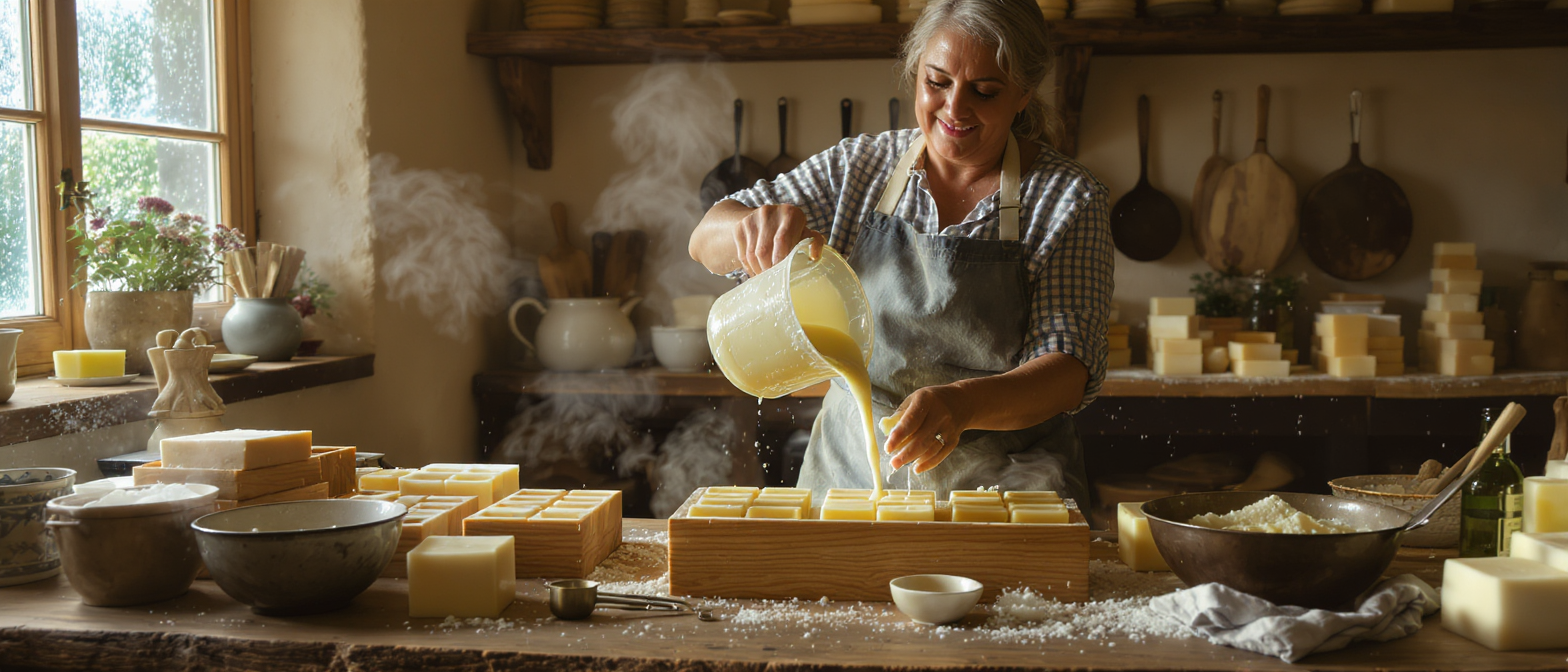
- Molding and curing: pouring the soap into molds and allowing it to cure in a dry, ventilated space for 4 to 6 weeks, ensuring water evaporates and hardness develops.
Neglecting exact measurements or curing time can decrease soap effectiveness or cause skin irritation. The choice of ingredients must always consider compatibility; tallow blends seamlessly with plant oils like coconut or olive oil to balance hardness, lather, and conditioning. Furthermore, personalizing through scents and textures adheres to traditional and practical values, supporting the creation of tailored soaps for individual needs.
| Step | Description | Importance |
|---|---|---|
| Rendering Tallow | Preparation of pure fat base | Ensures soap purity and texture |
| Lye Preparation | Dissolving sodium hydroxide safely | Critical for reaction safety |
| Mixing and Tracing | Combining fats and lye to start saponification | Determines soap consistency |
| Curing | Hardening through moisture evaporation | Improves longevity and mildness |
Choosing and Combining Soap Ingredients for Best Results
The effectiveness and appeal of homemade soap depend heavily on ingredient choice beyond just tallow. While tallow offers structural integrity and moisturizing benefits, adding complementary oils, butters, or botanicals diversifies the sensory and therapeutic profile of the soap bars.
Common blends involve:
- Coconut oil: boosts lather production and cleansing but can be drying if overused.
- Olive oil: contributes to a gentle, soft soap with excellent conditioning properties.
- Castor oil: enhances the foam and moisture retention, improving the soap’s glide on skin.
- Shea butter or cocoa butter: add luxury, richness, and skin nourishment.
- Essential oils: proffer natural fragrances with potential aromatherapeutic benefits.
- Herbs and exfoliants: incorporated for texture and mild exfoliation, suiting various skin types.
The tailored combination of fats and additives influences:
- Soap hardness and durability.
- Quality and quantity of lather.
- Moisturizing and cleansing balance.
- Visual and aromatic appeal.
Formulating a batch of tallow soap requires attention below, balancing the lye-to-fat ratios for complete saponification without excess alkali, which could cause skin harshness. Numerous soap calculators exist online to provide precise measurements based on ingredient types and desired final properties. Understanding how to make natural soap with these principles empowers the maker to achieve consistent results aligned with personal or market standards.
| Ingredient | Purpose | Recommended Use Percentage |
|---|---|---|
| Beef Tallow | Base fat providing hardness and conditioning | 50-70% |
| Coconut Oil | Increases lather and cleaning power | 20-30% |
| Olive Oil | Enhances moisturizing and mildness | 10-20% |
| Essential Oils | Natural fragrance and therapeutic properties | 1-3% |
Techniques for Customizing Traditional Soap Bars with Tallow
Customization of old-fashioned soap reflects a pragmatic approach toward creating products suited to varying skin types, preferences, and environmental contexts. Integrating unique ingredients or altering process parameters can drastically influence the end product’s characteristics, enhancing both utility and pleasure.
Notable customization strategies include:
- Adjusting fat ratios: Increasing olive oil for sensitive skin or coconut oil for greater cleansing power.
- Incorporating exfoliants: Adding ground oatmeal, poppy seeds, or coffee grounds to aid in gentle sloughing of dead skin cells.
- Adding natural colorants: Using clays, turmeric, or activated charcoal to provide distinctive hues and additional skin benefits.
- Infusing botanicals: Incorporating dried flowers or herbs such as lavender, chamomile, or rosemary for subtle scent and soothing effects.
- Layering scents: Combining essential oils intelligently to create complex fragrance profiles with lasting appeal.
The craft of homemade soap encourages experimentation within safe and tested boundaries. Variations in trace time, curing duration, and additive timing all affect the soap’s texture and longevity. Seasoned makers often maintain logs detailing batches, ingredient sources, and resulting qualities to refine their recipes continuously. This empirical methodology ensures that DIY soap pursuits evolve into sustainable practices aligned with intelligent and responsible living.
| Customization Option | Benefits | Considerations |
|---|---|---|
| Exfoliants | Improved skin texture and cleansing | May increase abrasion; avoid for sensitive skin |
| Natural Colorants | Visual appeal and skin benefits | May stain molds or skin; test first |
| Essential Oil Blends | Enhanced fragrance and aromatherapy | Allergy potential; use recommended amounts |
| Fat Ratio Shadows | Adjust hardness and lather | Altering too much may affect saponification |
Historical and Environmental Significance of Traditional Tallow Soap Making
The enduring legacy of tallow soap traces back centuries, highlighting its importance within domestic economies and its role as a ubiquitous personal care product before the advent of mass-produced synthetic alternatives. The environmental benefits linked to traditional soap stem primarily from its biodegradability and reliance on natural resources, setting a benchmark for modern ecological hygiene standards.
Historically, the production of natural soap was integral to household self-reliance, with families rendering their own fats and managing lye provision to control cleanliness and health. This approach minimized dependence on external markets and fostered resilience against economic fluctuations — a principle increasingly relevant as contemporary society grapples with supply chain vulnerabilities and environmental degradation.
Moreover, tallow soap contributes less to environmental pollution than chemically laden commercial soaps and detergents. The biodegradability of its components reduces waterway contamination, and modern soap makers often prioritize sourcing ethically raised animals and sustainably harvested adjunct oils, further minimizing ecological footprints.
In 2025, the return to old-fashioned soap making embodies a logical and prudent strategy to uphold personal autonomy, environmental stewardship, and practical frugality. Those adopting this craft engage with a meaningful tradition, cultivating skills that harmonize with a resilient, intelligent lifestyle.
| Aspect | Traditional Tallow Soap | Modern Commercial Soap |
|---|---|---|
| Sustainability | High (biodegradable and locally sourced) | Variable (often synthetic and polluting) |
| Economic Independence | Promotes self-sufficiency | Dependency on manufacturers |
| Environmental Impact | Low (minimal pollution, renewable resources) | Higher (industrial waste, packaging) |
| Longevity and Use | Long-lasting, multi-use | Often short-lived and limited use |
Embracing the practice of soap making using rendered tallow encourages a thoughtful balance of tradition and innovation to address the demands of modern living. For those adopting this method, the rewards extend beyond mere cleanliness, offering a tangible expression of sustainability, preparedness, and mindful consumption.
For a practical walk-through of tallow soap preparation, exploring detailed guidelines helps in mastering the nuances and applications:
What safety precautions are necessary when working with lye?
Handle lye in a well-ventilated area, wear protective gloves and eyewear, and always add lye to water—not water to lye—to prevent dangerous reactions.
Can tallow soap be made without coconut oil?
Yes, tallow soap can be made solely from tallow, but coconut oil improves lather and cleansing power. Omitting it results in a milder, creamier soap with less foam.
How long must tallow soap cure before use?
Tallow soap requires curing for 4 to 6 weeks to allow moisture evaporation and hardness development, ensuring a gentle and long-lasting bar.
Is homemade tallow soap environmentally friendly?
Absolutely. Tallow soap is biodegradable and uses natural ingredients, reducing pollution compared to synthetic commercial soaps.
Where can one source beef tallow for soap making?
Rendered beef tallow can be obtained from local butchers, farms, or even made at home by rendering raw beef fat. Resources like this guide provide detailed techniques.